Launch Web Trader
Close

Improve Trading Decisions with Journaling

Improve Trading Decisions with Journaling

Table of Contents

Why Traders Should Journal

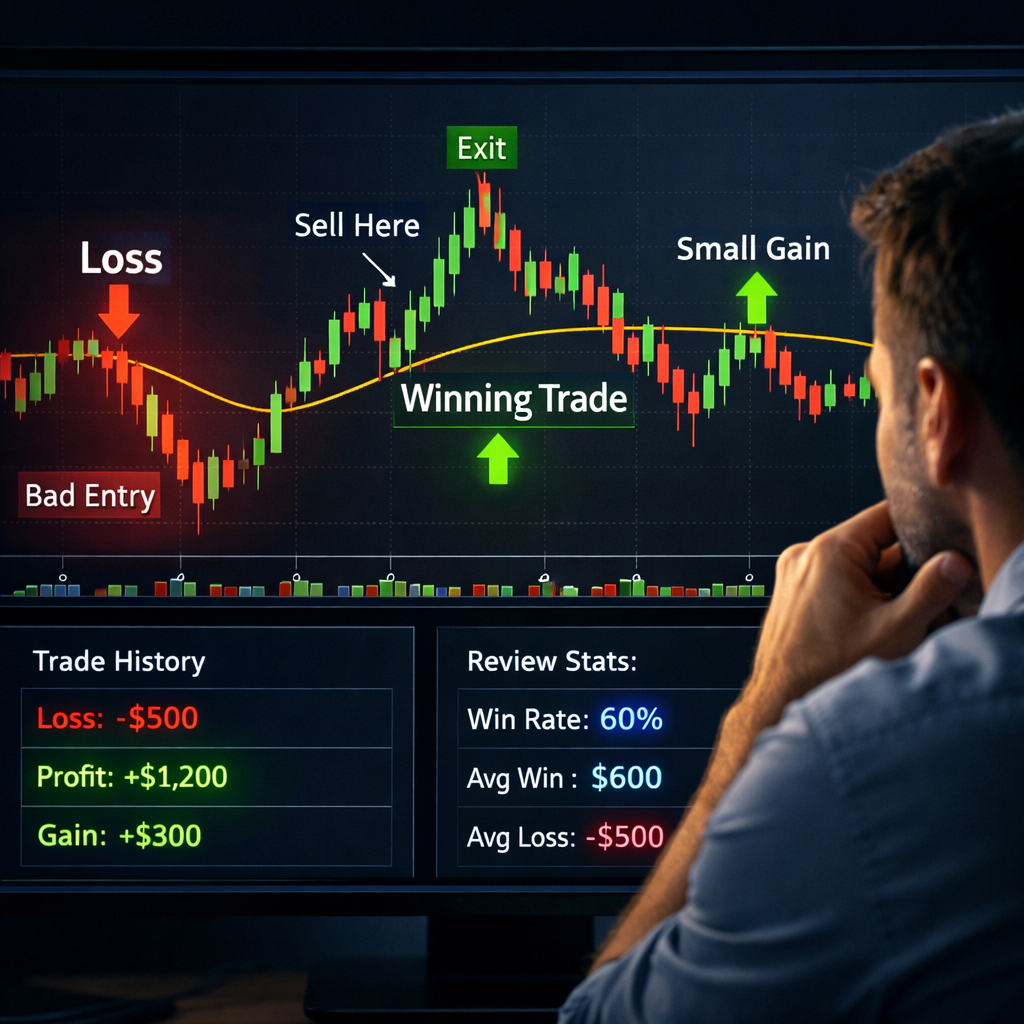
For any aspiring trader, creating a trading journal is an incredibly valuable habit—and it’s truly essential for boosting your results over time! It’s about far more than simply noting wins and losses; instead, think of it as building a detailed record of why those trades happened. Imagine documenting the complete picture: what you were thinking at the time, how the market was behaving, your emotional state, and which strategies you were employing. This thoughtful approach allows for objective analysis, helping you spot recurring patterns in both successful and unsuccessful decisions—ultimately leading to a more refined trading strategy. A consistently updated journal becomes an amazing tool for self-assessment and continuous growth; it’s like having a personal mentor guiding your progress.There are so many wonderful benefits! First, journaling helps you identify those sneaky emotional biases that can cloud your judgment – fear, greed, or even trying to “get back” after a loss often leads to costly errors. Secondly, meticulously recording market conditions provides crucial context; you might discover that a particular strategy really shines during specific economic events. Finally, the simple act of journaling encourages disciplined decision-making because it requires you to clearly explain why you’re entering a trade before you even click that button! A simple way to organize your entries is with bullet points: Entry and Exit Prices Reason for Trade (strategy, technical analysis) Market Conditions (news events, economic data) Emotional State * Outcome & Lessons LearnedUltimately, a consistent journaling practice fosters self-awareness, minimizes impulsive actions, and empowers you to become a more profitable and confident trader. Want to learn even more about the power of trading journals? Take a look at this article on BabyPips or explore the incredible features available in platforms like Flows Trading Journal.

The Psychological Side of Trading

It’s surprising how often people forget about the psychological side of trading, but it’s honestly a huge factor in whether you succeed or not. Emotions can really throw you off – fear might make you sell too early, while greed could tempt you into taking unnecessary risks, pushing you away from those strategies you worked so hard to create. And then there are cognitive biases; these are like mental shortcuts our brains take that can subtly twist how we see things. Take confirmation bias, for example—we all tend to look for information supporting what we already think and ignore anything that challenges it. This can easily lead to a false sense of confidence or encourage you to overextend yourself.

Recognizing these common traps is really the first step towards becoming a more consistent and profitable trader – and believe me, it’s a journey worth taking! Seasoned traders understand this; they prioritize emotional discipline and objectivity, knowing that managing their mindset is just as important as studying market trends. Learn about risk management strategies to further improve your trading game.

Identifying Emotional Triggers

Identifying emotional triggers is a vital skill for traders aiming for consistent profits. Let’s be honest – trading isn’t solely about logic; emotions like fear and greed often play a surprisingly strong role, sometimes without us even realizing it! Recognizing these influences is the crucial first step in managing them effectively. For instance, seeing a significant price drop might trigger panic selling, even if your initial research suggested holding on. On the flip side, an unexpected surge could lead to impulsive buying fueled by FOMO – that fear of missing out we’ve all felt. Self-awareness is truly key here; begin tracking how you react in different market situations and look for recurring patterns.

Here are a few practical ways to spot those triggers:
Pay close attention to your body’s signals—a racing heart or sweaty palms can be early warnings.
Notice any negative thoughts creeping into your trading decisions. It’s amazing how subtle these can be!
Objectively review past trades to pinpoint when emotions took over. Be honest with yourself during this process.
Keep a trading journal journaling for traders – documenting your thoughts and feelings allows you to analyze patterns later on. Addressing these triggers proactively, perhaps through mindfulness or pre-planned trading strategies, can help minimize emotional bias and ultimately boost overall performance!

Recognizing Cognitive Biases

Recognizing cognitive biases is crucial for consistent success in trading. Many of us unknowingly rely on mental shortcuts, which can lead to less effective decisions and ultimately, lower profits. Take confirmation bias as an example—it’s easy to fall into the trap of only seeking out news that supports a stock you already own, while dismissing anything suggesting otherwise. Similarly, anchoring bias causes us to lean too heavily on initial information; perhaps fixating on a past high price for a stock and expecting it to return.Several other common biases can also impact your trading decisions. Loss aversion, for instance, means we feel the pain of a loss more strongly than the joy of a win, often causing traders to hold onto losing positions far longer than they should. Even something as simple as the availability heuristic—overestimating things that readily come to mind—can play a role in how you trade. By becoming aware of these biases, you gain valuable self-awareness and can improve your risk management alongside your overall trading strategies. Regular trade reviews and journaling are excellent tools for identifying those patterns.

Practical Benefits for Improvement

Technical analysis can seem daunting initially, but it actually provides surprisingly practical advantages for those just starting out in trading. A major benefit is the ability to identify trends – noticing patterns like consistently rising prices that signal an uptrend allows you to make much smarter decisions about when to buy or sell. For example, recognizing a sustained upward trend might lead you to hold onto a position longer than you initially planned.Reducing risk is another key advantage. Indicators like moving averages can help filter out those short-term market jitters and confirm potential support and resistance levels. This makes it easier to set stop-loss orders effectively and protect your capital, especially during volatile periods.Plus, using technical analysis helps cultivate a more disciplined approach. Techniques like candlestick pattern recognition – you could start by checking out these 5 indicators– give you objective signals, moving away from impulsive decisions based purely on news or gut feeling. This structured way of trading promotes consistency and emotional control—both critical for long-term success. And don’t forget to keep a trading journal; it’s an incredibly useful tool for tracking your choices and learning from past performance!Ultimately, technical analysis isn’t just for pros – it’s a valuable toolkit for any beginner aiming to improve their trading strategy and achieve more consistent results. Why not begin exploring these techniques now and start taking charge of your financial journey?

Tracking Performance Metrics

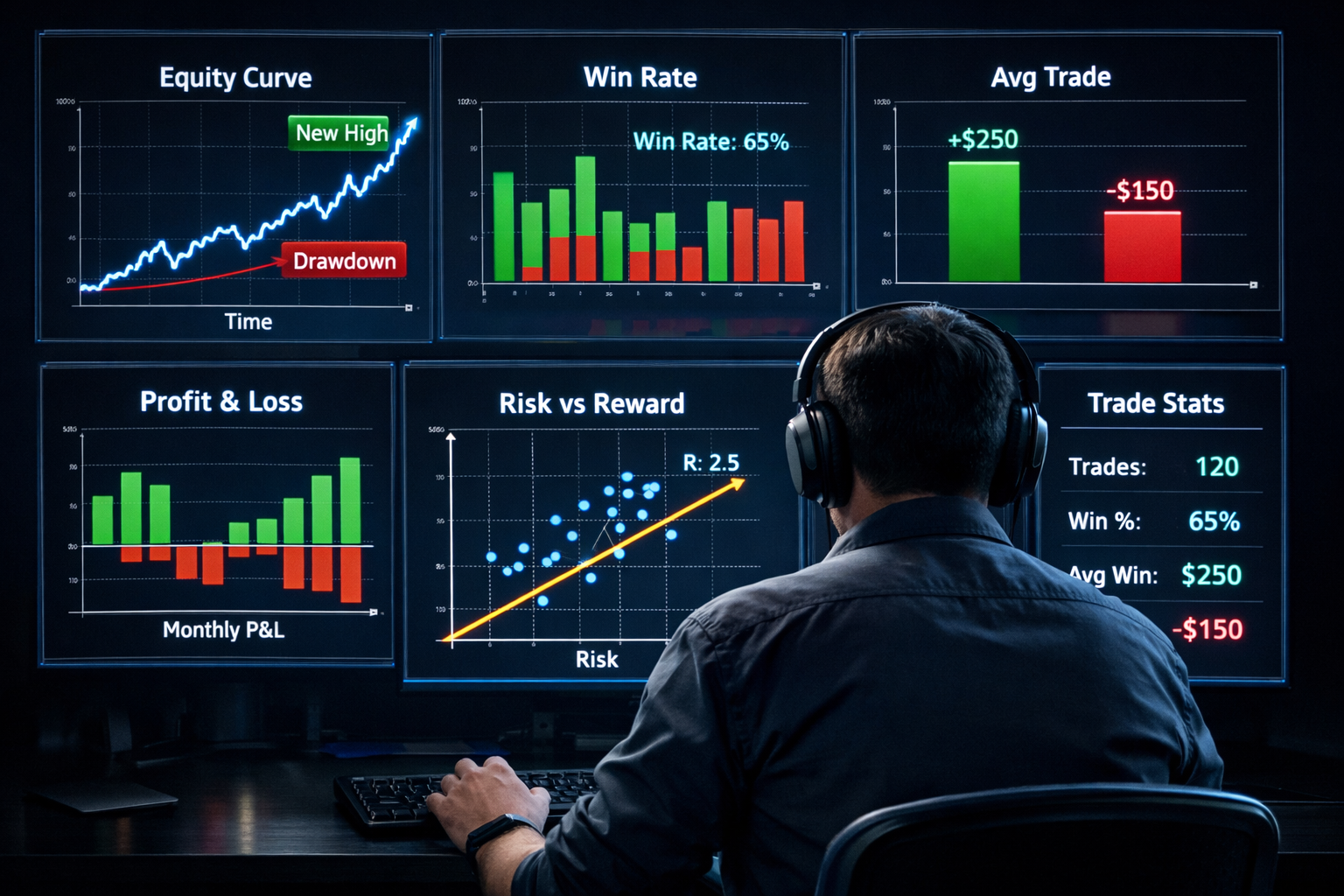
Tracking performance metrics is essential for understanding and improving your trading results. It’s easy to get lost in a sea of data, so let’s focus on simple yet powerful indicators. Begin with clear measures like win rate – the percentage of trades ending profitably – and profit factor, which tells you how much you’re making compared to what you’re losing. Regularly calculating these provides a good baseline for whether your strategies are effective.To make this process manageable, consistency is key! Set up a regular schedule for tracking these metrics and looking at trends over time. Don’t overwhelm yourself by starting with just a few key indicators; you can always add more complex ones as you become more comfortable. And consider keeping a trading journal – jotting down your trades and the reasoning behind them – to help identify patterns and refine your approach.

Analyzing Trade Setups and Outcomes

Analyzing trade setups and outcomes is essential for consistently improving as a trader. Let’s start by clearly defining the conditions that need to be present before you enter a trade – think of it like following a recipe, where each ingredient must be in place for the dish to turn out correctly. For example, perhaps you look for a specific candlestick pattern signaling momentum combined with a key support level. Then, meticulously document why you decided to take that particular trade, noting all the factors influencing your decision. A successful trade demonstrating this setup might involve going long on a bullish engulfing pattern at a previously tested resistance now acting as support, accompanied by increasing volume. However, an unsuccessful trade using the same criteria could happen if the supporting volume was weak and the price quickly reversed after you entered.It’s equally important to analyze losing trades – don’t just brush them aside! Did you stray from your initial plan? Were there unexpected shifts in market conditions that caught you off guard? Identifying patterns in both successful and unsuccessful outcomes is the key to refining your strategy. For example, if you consistently lose money when using moving average crossovers during periods of high volatility, it might be wise to avoid that setup under those circumstances. Keep a trading journal – a detailed record of your trades – it’s an invaluable tool for spotting these patterns and making informed adjustments; consider it your personal trading coach!

Getting Started With Your Trading Journal

A trading journal can be an incredibly valuable asset if you’re truly dedicated to improving your trading skills. It’s remarkable how many traders miss out on this, but consistently documenting their trades—both profitable and unsuccessful ones—provides essential self-awareness that can really elevate performance. Consider it like taking a good look at what you do and why you do it; it helps reveal patterns in your behavior, highlights recurring mistakes, and lets you objectively evaluate whether your strategies are actually effective.Without a trading journal, it’s difficult to know if your successes stem from genuine skill or simply chance, or even pinpoint the exact reasons behind any particular outcome. It’s similar to an athlete diligently tracking their training – consistent reflection is key for growth. For more information on the significant benefits of journaling in trading, Investopedia offers a solid overview.

Choosing a Journaling Method

Choosing a journaling method can significantly impact your progress as a trader. It’s much more than simply recording trades; it’s about cultivating self-awareness and identifying patterns in your behavior and decision-making—like tracking your fitness to improve performance! The key is finding a method you’ll consistently stick with, rather than striving for perfection right away. Consistency allows you to build a valuable historical record of your trading journey and gradually refine your strategies over time. There are several options available, each catering to different personalities and preferences. Let’s explore some popular choices: bullet points, freeform writing, template-based journaling, and structured prompts. Each offers distinct strengths and weaknesses when it comes to encouraging trader self-reflection.Here’s a breakdown of those options: Bullet Point Journaling: This is about jotting down key observations after each trade or at the end of a trading session with concise notes. Pros: It’s quick and efficient for capturing immediate thoughts and emotions, and easy to review large amounts of data quickly. Cons: The brevity can sometimes lack depth and context, potentially missing important nuances in your thought process. Freeform Writing: With this method, you write freely about your trades, feelings, and market observations without any pre-defined structure. Pros: It allows for complete expression and exploration of thoughts—it can even be therapeutic and insightful! Cons: It may become disorganized or time-consuming if you’re not careful, and requires discipline to stay focused on the task at hand. Template-Based Journaling: Using a predefined template with specific fields (like entry/exit price, your reasoning behind the trade, emotions felt, and the outcome) provides structure to your journaling. Pros: It ensures consistent data collection and makes analyzing and comparing trades much easier. Cons: Some traders might find it restrictive; it also may not fully accommodate unique trading styles or unexpected insights. Structured Prompts: This involves answering a series of specific questions after each trade (e.g., Psychology Today).

Digital Tools vs. Physical Notebooks

For those just starting out in trading, both digital tools and good old-fashioned notebooks can be incredibly useful for tracking your progress. Sure, spreadsheets and online platforms offer convenient automated calculations and easy access to past data – they’re great for the numbers side of things! But sometimes, that can feel a little detached. A physical notebook, however, encourages a more thoughtful approach to journaling for traders. Believe it or not, simply writing by hand might actually boost your memory and help you process emotions better; aspects often missed when using only digital records.Consider this: digital tools shine with quantitative analysis – spotting trends through data, whereas notebooks promote qualitative reflection—helping you understand why a trade played out the way it did. Pros of keeping a notebook include its portability and freedom from distracting notifications; though manually entering everything can take more time. Really, choosing what works best just comes down to personal preference. Psychology Today explores the benefits of handwriting and how it can improve cognitive function—a direct benefit for trade journaling!

Finding What Works Best for You

Finding a winning trading strategy is often about trial and error, combined with understanding yourself. A really smart first move is to backtest any ideas you have using past market data – absolutely essential before putting real money on the line! It’s like trying out a new recipe before dinner; best to make sure it works first. Don’t forget to honestly assess your own comfort level with risk, too. Are you okay with big swings, or would you rather stick to something steadier?Journaling for traders is surprisingly powerful and often missed. Keeping a record of each trade – why you made the decision, when you entered and exited, and even how you were feeling at the time—can reveal helpful patterns. Here’s a simple way to look at it: 1. What went right? 2. Where could things have been better? 3. How can you tweak your approach based on what you’ve learned? Consistent journaling is a worthwhile investment that will boost your trading strategy over time.

Essential Elements to Record

For those new to trading, diligently tracking key information is absolutely essential for growth. It goes beyond simply executing trades; it’s about dissecting why you made those decisions and what the outcomes tell you. A trading journal doesn’t have to be an elaborate affair – concentrating on the core elements delivers the most significant benefits.Begin by noting down the asset you traded, whether it’s a stock ticker or a currency pair. This simplifies analyzing specific instruments later on. Then, record your entry and exit prices; consider them as marking the beginning and end of a journey – providing a clear snapshot of potential gains or losses. But most crucially, document your reasoning for entering and exiting each trade. Was it based on technical analysis – perhaps identifying patterns on a chart – fundamental news, or even just an instinct? Keeping track of this helps you learn from both successful trades and those that didn’t go as planned.Why not start building your trading journal today? You’ll be surprised at how quickly you see improvement in your skills!

Date, Time, and Asset Traded

Accurate recording of the date, time, and asset traded is truly fundamental to successful trading management. This information builds a clear audit trail – something absolutely essential for compliance and reconciliation. Without these details captured precisely, errors can creep into performance analysis and reporting become inaccurate. Proper documentation lets traders and institutions track market trends and assess their strategies’ effectiveness over time; it’s like keeping a detailed journal of your trading journey!The range of assets traded is vast – you might be dealing in stocks (consider Apple AAPL), currency pairs like EUR/USD, commodities such as crude oil, or even cryptocurrencies like Bitcoin. Consistent logging allows for insightful analysis of trading patterns and supports better decision-making moving forward. It’s a great way to learn from both past wins and setbacks!

Entry & Exit Prices and Reasoning

Identifying entry and exit points is key to successful trading, often involving support and resistance levels on price charts. Consider support like a metaphorical floor: it’s a price level where buying pressure usually wins out, potentially indicating a good opportunity for entering a long position. Conversely, resistance acts as a ceiling; selling pressure tends to be stronger at these levels, which might suggest an exit point or chance to secure profits. Trend lines can also assist in identifying potential support and resistance areas by analyzing past price action.For example, if a stock consistently bounces off the $50 mark, that’s likely a solid support level. You could consider entering a long position near this level – but remember to manage your risk! Place your stop-loss order just below $50 for protection if prices unexpectedly fall. To exit, watch for a break through a clear resistance level, say $55, or use a trailing stop as the trend builds. Consistent practice and careful analysis of these patterns will help refine your trading skills significantly over time.

Risk/Reward Ratio Calculations

Calculating a risk/reward ratio is key to making smart trading choices. It’s actually quite simple: just divide the potential reward by the potential risk! To work it out, first consider where you’d like to see a profit—that’s your potential reward—and then decide on your stop-loss level – that defines your potential risk. For example, if you aim for $100 but set a stop-loss at $50, the ratio is 2:1. Essentially, for every dollar risked, there’s a chance to gain two.Consider this: someone buys stock at $50, targets $60 (a potential reward of $10), and sets a stop-loss at $45 ($5 risk). The ratio here is also 2:1 ($10/$5). Many traders prefer ratios above 1.5:1, though it really comes down to their strategy and comfort level with risk. Journaling for traders can be incredibly useful too – tracking these calculations helps you refine your approach and ultimately boost performance.

Key Areas to Analyze in Your Journal

Maintaining a detailed trading journal is incredibly important if you’re serious about improving as a trader, especially when starting out. It’s far more than just tracking your wins and losses; it’s really about gaining self-awareness and spotting patterns in how you trade and make decisions. When you record each trade, focus on the key facts: things like the entry price, exit price, position size (how many shares or contracts you were trading), and any technical indicators that influenced you. Make sure to include the date and time of both your entries and exits – this builds a solid foundation for analyzing performance and quickly spotting what’s working well and what needs tweaking.However, numbers alone aren’t enough! It’s also vital to note how you were feeling before, during, and after each trade. Briefly jot down your emotions—were you anxious, confident, or fearful? More importantly, explain the reasoning behind your choices. Why did you decide to enter that specific trade? What level of risk were you comfortable with that day? What signals made you choose to exit? Keeping these notes brief and focused on what you learned will make reviewing your journal much easier and more effective at improving your trading strategy and reducing impulsive actions. Journaling for traders is a fantastic tool, but its true power comes from consistent, thoughtful documentation—it’s really about learning from yourself over time!

Trade Rationale – Why Did You Enter?

My journey into trading began with a clear signal: a buy indication from the Moving Average Convergence Divergence (MACD) indicator. Specifically, I observed a bullish crossover on the hourly chart for EUR/USD – that’s the MACD line moving above the signal line. For me, this is a significant event within my strategy because it often points toward increasing upward price momentum and frequently leads to short-term rallies.It all fits together nicely with my broader outlook too; I anticipate continued easing by the European Central Bank, which further strengthens the case for holding a long position. This trade isn’t based on just one thing though. The MACD signal is certainly the main trigger, but I also considered the bigger macroeconomic picture to validate it. Plus, I factored in current volatility and recent price movements to ensure my entry wasn’t overly aggressive. A really important part of what I do is keeping detailed trading records – that’s journaling for traders – because it allows me to constantly refine how I make decisions and learn from what’s happened before.

Understanding Market Conditions

Understanding current market conditions is crucial for making informed decisions. It’s a bit like checking the weather forecast before planning a trip; knowing which way the market’s heading helps guide your investments. We often talk about ‘bull’ markets, where prices generally rise and investors feel optimistic, and ‘bear’ markets, suggesting declining values and more caution. Assessing these trends means keeping an eye on key indicators – things like trading volume and important economic news such as inflation or employment data. Reports from specific industries are valuable too. It also helps to gauge investor sentiment – essentially, the overall feeling in the market. You can get a sense of this by looking at financial media, social media discussions, and even surveys.Of course, markets are always shifting, so continuous observation is really important. Staying informed about these market conditions isn’t just a good idea—it’s essential for successful trading! Regularly review reputable financial news sources, consider following expert analysis, and adjust your strategies as needed. Consistent monitoring can help you identify potential opportunities while also reducing risks associated with changing market sentiment. A helpful practice is journaling – tracking your observations and refining your approaches based on past experiences.

Identifying Chart Patterns

Identifying chart patterns is essential in technical analysis, offering valuable insights into potential market movements. These visual formations on price charts essentially reflect investor sentiment and can provide clues about what might happen next. You’ll often encounter patterns like the head and shoulders – a signal that an upward trend could be reversing – or double tops/bottoms, suggesting possible changes after reaching highs or lows. Triangles are another common sight; they can lead to either rising or falling prices, depending on their specific formation. Becoming adept at recognizing these patterns takes practice and careful observation.It’s important to keep in mind that chart patterns aren’t foolproof predictions. They work best when used alongside other technical indicators like moving averages and volume analysis for confirmation. For example, a head and shoulders pattern becomes more reliable if you observe increased selling pressure as the price approaches a significant level. Incorporating technical analysis techniques can help traders make more informed decisions—but remember to always prioritize risk management!

Emotions During the Trade

Trading can stir up quite a few strong emotions, especially when the market is fluctuating. It’s really common to feel fear – that familiar pang triggered by potential losses – or perhaps greed, fueled by the desire for quick gains. You might even find yourself dwelling on missed opportunities or trades that didn’t pan out as hoped. After all, trading inherently involves uncertainty and risk; every decision carries the possibility of both reward and setback. When emotions take over, it often leads to impulsive choices that deviate from a carefully considered strategy.

To help minimize the impact of emotional trading, developing self-awareness and discipline is key. A straightforward yet powerful technique is to stick to your pre-defined trading plan. Think about setting clear entry and exit points before you even begin, using stop-loss orders to manage risk effectively, and resisting the urge to chase trades based on momentary feelings. Consistently following a plan fosters objectivity and reduces the chance of emotionally driven mistakes – it’s like having a reliable roadmap guiding your path. Journaling can also be a valuable tool for traders seeking to analyze their reactions; you might find it surprisingly insightful journaling for traders.

Fear, Greed, Hope - How Did They Affect Decisions?

The crypto boom and bust served as a stark reminder of how profoundly emotions can influence trading decisions. Fear, greed, and hope – often amplified by social media—played a significant role in shaping outcomes that resulted in both substantial gains and painful losses. During those rapid price surges, “Fear of Missing Out” (FOMO) was everywhere. Many new investors, seeing others seemingly strike it rich quickly, jumped into cryptocurrencies without completely understanding the underlying technology or associated risks. This created a cycle where emotions, rather than careful analysis, fueled further price increases.The subsequent crash vividly demonstrated the destructive power of fear. As prices plummeted, panic selling spread like wildfire. Investors, worried about incurring even greater losses, rushed to sell their holdings, often at significantly reduced rates. It’s easy to say that greed initially overshadowed potential downsides; now, fear was driving hasty and damaging actions. Perhaps journaling for traders could have provided a valuable outlet for reflection and emotional regulation during those turbulent times – a space to process what was happening and make more considered decisions.

Lessons Learned & Actionable Steps

It’s easy for new traders to get caught up in celebrating wins, but overlooking the importance of journaling for traders can be a real setback. Many mistakenly dismiss losing trades as unimportant, yet these experiences actually hold some of the most valuable lessons. Instead of just recording successes, consistently document both your winning and losing trades—your emotions at the time, the reasoning behind your setup, and any outside factors that might have played a role.Simply noting the outcome of a trade isn’t enough though; truly effective journaling for traders requires digging deeper. Ask yourself why things went right or wrong. What could you have done differently?Here are a few steps to get started: 1. Set aside even just 15 minutes each day – consistency is the name of the game! 2. Use a structured format, whether it’s a notebook, spreadsheet, or trading app, to keep your entries organized. 3. Be honest with yourself; this journal is for you alone. 4. Regularly review your past entries to spot patterns and refine your approach—it’s all about learning from mistakes and reinforcing what works best. Investopedia has more details here if you want to explore further. Get started today; consistent journaling for traders is an investment in better performance and emotional control, leading to improved trading outcomes!

What Would You Do Differently Next Time?

Reflecting on past trades is a crucial step towards continuous improvement as a trader. Thinking back to a recent trade, I’ve realized that stricter risk management from the outset would have been beneficial. Smaller position sizes and tighter stop-loss orders set earlier could have minimized potential losses. And for those just beginning their trading journey, paper trading offers an invaluable opportunity to practice without risking real capital!Meticulously documenting each decision – why you entered a trade, your planned exit points, and even noting down how you were feeling emotionally at the time – allows for objective analysis later on. It’s really helpful to look back and evaluate things objectively.Next time around, I’ll be sure to prioritize more thorough pre-trade analysis, blending technical indicators with fundamental data. Avoiding impulsive decisions driven purely by market sentiment is a key focus. Consistent review of these trade journals can reveal patterns in both your successes and failures, which will ultimately help refine your strategies and enhance your overall performance. Tools like Flows Trading are fantastic for traders seeking robust charting and analysis capabilities.

The Power of Trading Journaling: Beyond Just Recording Trades

Effective trading isn’t just about executing trades; it’s a continuous learning process. A core component of that process is consistent trading journaling. More than simply recording your entries and exits, journaling allows you to analyze your decisions, identify recurring patterns in your behavior, and ultimately refine your strategies. It provides invaluable data for both technical analysis and behavioral analysis, leading to improved performance over time.
  • Provides a record of trades and rationale behind them
  • Facilitates identification of trading biases and emotional triggers
  • Supports the development of more disciplined strategies

Integrating Technical Analysis into Your Journaling Process

Journaling and technical analysis go hand-in-hand. When reviewing past trades, consider the technical indicators that were present at the time. Were you paying attention to key support and resistance levels? Did you use any moving averages or trendlines? Understanding how these factors influenced your decisions can provide valuable insights. For beginners looking to learn more about incorporating technical analysis into their trading, this comprehensive guide offers a great starting point.
  • Review charts alongside trade entries in your journal
  • Note the presence and impact of technical indicators
  • Analyze how support, resistance, and trendlines influenced decisions

Decoding Behavioral Patterns Through Journaling

Beyond the technical aspects of trading, behavioral analysis is crucial for long-term success. Your trading journal becomes a powerful tool for uncovering your emotional biases and psychological tendencies. Were you overly confident before entering a trade? Did fear cause you to exit prematurely? By honestly documenting these feelings alongside your trades, you can begin to recognize and mitigate their negative impact. The trading journal on Flows Trading is specifically designed to facilitate this kind of self-reflection.
  • Document emotional state before, during, and after trades
  • Identify recurring biases (e.g., confirmation bias, loss aversion)
  • Develop strategies to manage emotions and avoid impulsive decisions

Tracking Performance & Refining Your Approach

Consistent journaling allows for robust performance tracking. By regularly reviewing your journal entries, you can identify areas where you consistently outperform or underperform. For example, if you notice a pattern of losses when trading during specific times of the day, you might consider adjusting your schedule. Furthermore, understanding how to effectively use an indicator like the RSI indicator can be greatly enhanced by tracking its performance in your journal. This detailed explanation provides a deeper dive into this popular technical tool.
  • Track key metrics (win rate, average profit/loss per trade)
  • Analyze performance across different market conditions
  • Identify areas for improvement and adjust your strategy accordingly

Resources for Further Exploration

To deepen your understanding of technical analysis and its role in trading, we recommend exploring this resource. It provides a comprehensive overview of various techniques and tools used by professional traders.

Ready to start trading?

Join thousands of traders using our platform.