


Time-based Journaling: A Beginner's Guide to Session Segmentation
Table of Contents
Understanding Time-based Journaling: The Core Problem
If you’re new to trading and keeping a journal, you might be struggling with unstructured notes that don’t provide clear insights into your performance. It’s tough to spot patterns or learn from your mistakes when everything is mixed up.
For example, trying to review past trades can feel like looking for a needle in a haystack. Dates, trades, emotions, and market conditions are all jumbled together, making it hard to pick out specific sessions or time periods for analysis. This confusion means you might not be able to figure out which strategies work best at certain times of the day.
Continuing with this unorganized approach can lead to repeated mistakes that could have been avoided if your notes were better structured. Properly organizing your journal entries is key, and tools like session analysis can help you identify these issues more effectively.
Recognizing Benefits of Time Segmentation
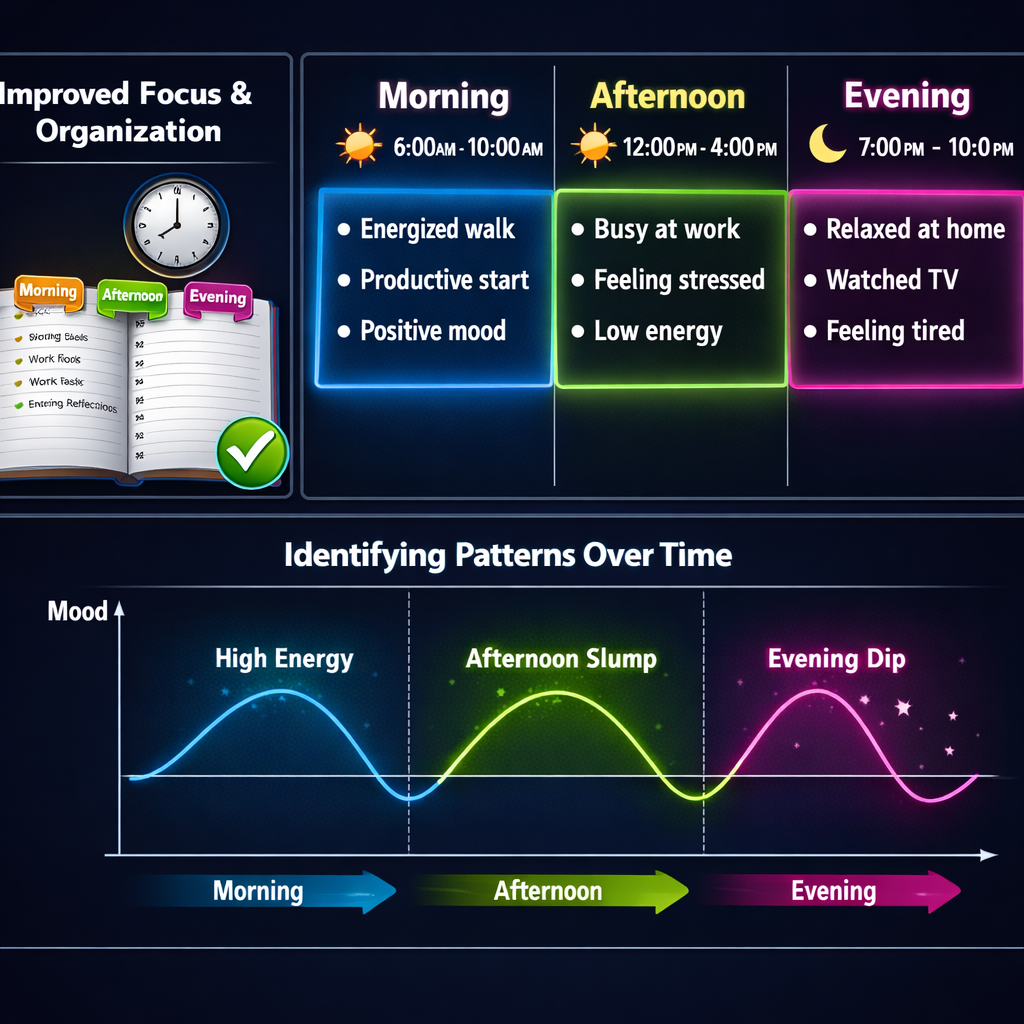
When you start journaling for trading, recognizing the benefits of dividing your day into specific time segments can really help improve how you track and analyze trades. Here’s why:
- Clearer Insights: When you group trades by time periods, it’s easier to see which strategies work best at different times of the day. For example, if mornings are profitable but afternoons aren’t, this information helps you tweak your approach.
- Better Decisions: Looking at performance through a segmented lens lets you spot trends faster and adjust risk management more effectively than with daily or weekly summaries.
- Efficient Time Use: Knowing when the market is most active means you can focus on those times. Instead of watching the market all day, you can concentrate on periods that offer higher potential returns based on historical data.
Don’t let the initial setup seem too daunting – long-term benefits in clarity and performance are worth it. For beginners, tools like trading signals can make this easier by providing clear entry points.
Take a look at your recent trades and see if breaking them down into time segments reveals any patterns you might have missed before. This practice can give you better insights into your trading performance.
By using time segmentation, you’ll enhance the effectiveness of your journaling and overall trading strategy. Give it a try and see how it improves your trading!
Implementing Session-based Trade Grouping
How do you accurately segment trades by trading sessions for better analysis?
- Define Trading Sessions: Figure out the distinct periods like European, Asian, or American sessions using resources such as Session Definitions Overview.
- Record Trade Details Carefully: Write down the exact time of entry and exit for each trade to put them in the right session.
- Use a Structured Journal Format: Use templates like Structured Journal Entry Example to keep your records consistent, noting things like session name, trade details, and performance metrics.
- Review and Verify Entries: Regularly check your journal to make sure all trades are correctly assigned to their respective sessions to avoid misattributed data that can mess up your analysis.
Skipping these steps could lead to inaccurate data collection and flawed strategy development. How will you use this method to improve your trading?
Comparison of Session Definitions
When analyzing trading performance, it’s crucial to set clear session boundaries to understand market conditions and refine your strategies. Using the wrong session definitions can screw up your analysis. Here are three common types: Asian, European, and US sessions.
| Session Type | Start Time (UTC) | End Time (UTC) | Key Market Activity |
|---|---|---|---|
| Asian | 05:00 | 13:00 | Opening of Japan’s Nikkei, China’s Shanghai Composite, and South Korea’s KOSPI. Light trading volume in major pairs early on. |
| European | 07:00 | 16:00 | High activity as European markets open and U.S. futures affect the market. Significant volatility around lunchtime. |
| US | 13:00 | 22:00 | Major trading volume, especially during opening bell (14:30) and close (21:00). High liquidity in equity indices and futures. |
Each session has unique characteristics that influence market behavior. Understanding these sessions helps you interpret trends correctly and adjust your strategies effectively. Using the right definitions
How will you use this information to enhance your trade analysis?
Analyzing Time-of-day Performance Patterns
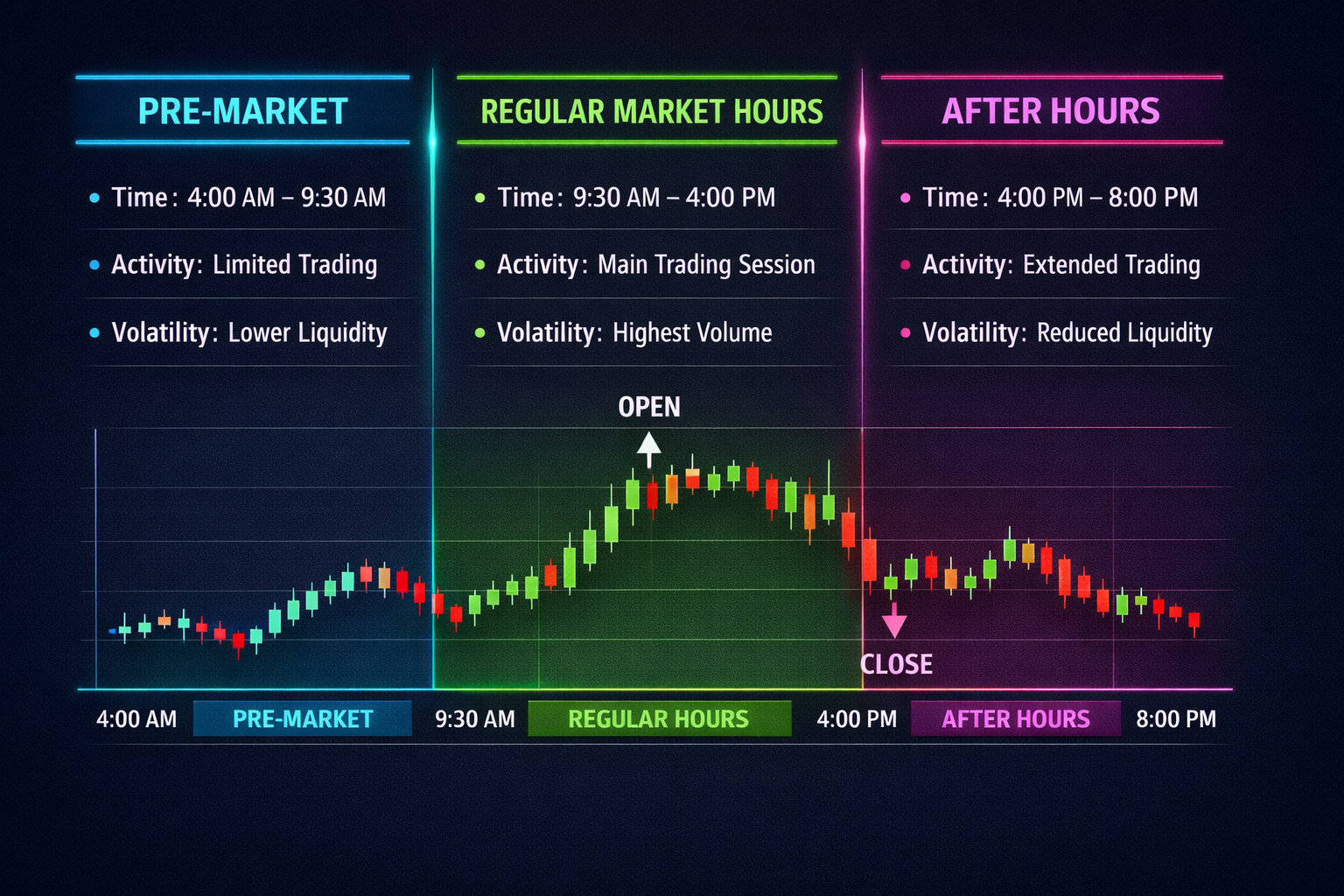
How does performance vary by time? To figure this out, track your success rates and profits at different times of the day. For example, if you consistently make money from 10 AM to 2 PM but lose after 4 PM, there’s a clear pattern.
Keeping detailed records with timestamps helps identify peak performance hours and avoid low-profit periods. If trades tend to struggle during late-night sessions due to low liquidity, it might be wise to take a break between midnight and 4 AM.
Not analyzing these patterns can lead to missed opportunities and unnecessary losses. Assuming success is the same all day long could hurt your overall profitability.
To start time-based journaling effectively, consider using a tool like control your trading. How will you begin segmenting your trading data today?
Determining Optimal Trading Hours
To find your best trading hours, start by keeping a detailed journal with timestamps for each trade using an app like best journals apps. Analyze the data regularly to spot patterns and group trades into hourly segments.
Don’t assume all trading hours are equally productive. Without analyzing your data, you might end up wasting time on less profitable periods, hurting your overall profitability.
Use these insights to adjust your schedule around peak times. For example, if midday trades give you higher returns, focus on those hours and avoid the less profitable ones.
By keeping a detailed journal of trade timings, you can make smarter decisions about when to trade and boost efficiency and profits. Review your journal daily or weekly to stay in tune with market changes.
Next Step: Start logging each trade’s timing in a structured format today. Be cautious of common segmentation errors that can mislead you.
Avoiding Pitfalls in Session Segmentation
How do I avoid session segmentation pitfalls?
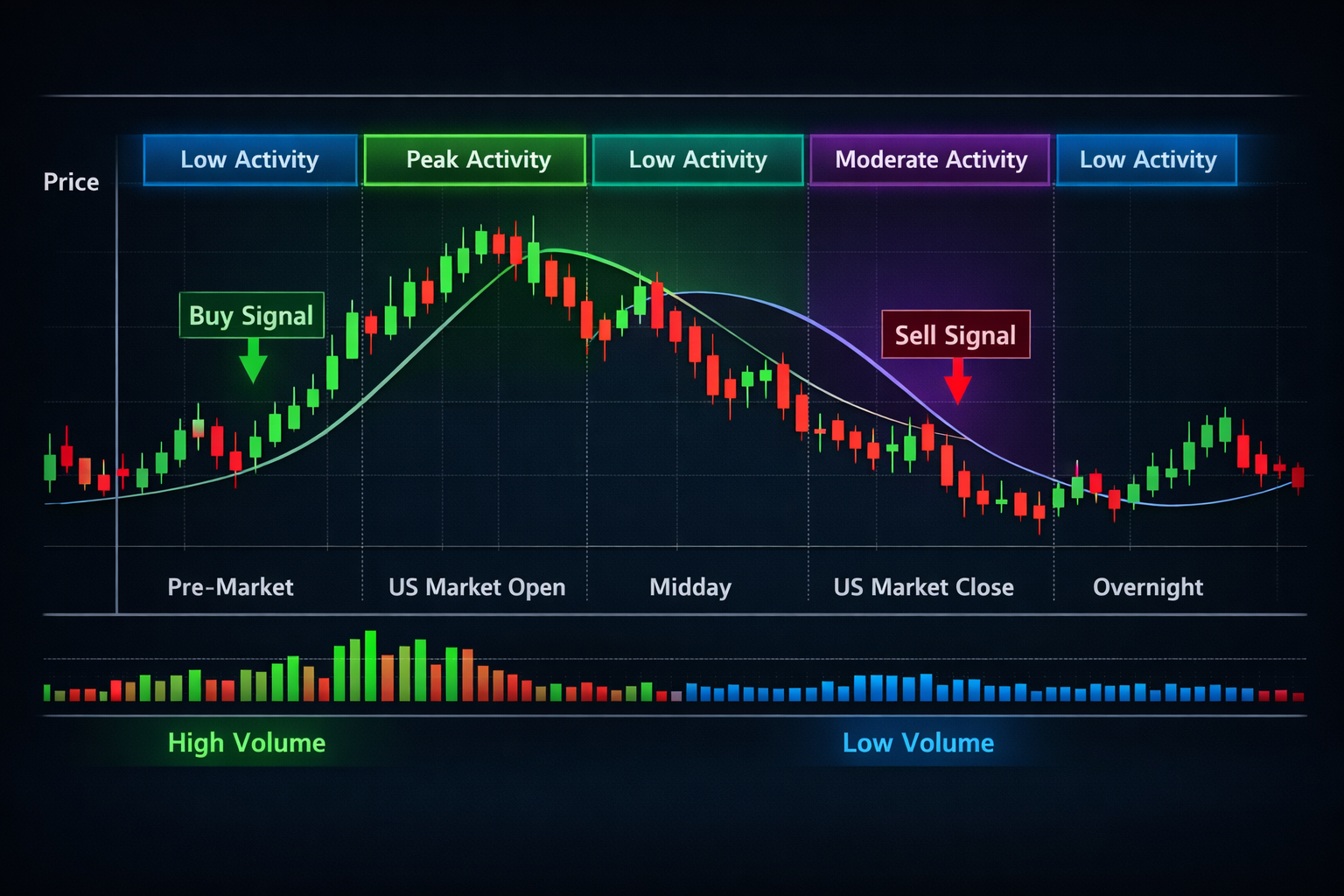
- Don’t mix morning and afternoon trades: Keep them separate because market conditions change throughout the day. For example, a trade in the volatile morning won’t fare well if grouped with a stable afternoon session.
- Pay attention to liquidity shifts: Be aware of how trading volume affects execution costs and ease during different hours of the day.
- Account for holidays: Include non-trading days when defining your sessions to prevent skewed analysis.
- Stick to one time zone: Use a consistent time zone in your journal entries to keep things accurate, especially if you’re trading across multiple markets.
- Note market conditions: Log details about volatility, sentiment, and significant news events for each session to help understand trade outcomes better.
Common Mistake: Believing all sessions are equally volatile can lead to inaccurate conclusions. Keep these pitfalls in mind to create more precise journal entries.
Avoiding Common Errors in Segmentation
What are common segmentation errors when journaling your trades? One mistake beginners often make is grouping all morning hours into one session, thinking market conditions will be the same throughout. For example, lumping together 9 AM to 11 AM as a single trading session can be misleading because market behavior and volatility can change dramatically due to news releases or economic reports.
To avoid this error, base your trade segments on actual market conditions rather than fixed time slots. Instead of treating the morning hours as one big block, identify distinct periods where trading patterns are consistent. For instance, you might notice that 9 AM to 10 AM is low volatility and steady trends, while 10 AM to 11 AM sees increased activity due to news updates.
Ignoring these nuances can lead to inaccurate performance analysis and flawed strategy development. By refining your session definitions based on market behavior patterns, you enhance the reliability of your trading journal insights.
Understanding how to accurately segment trades is crucial for better trade analysis. Next, explore integrating technical indicators to further refine this process.
Applying Consistent Time Segmentation
Start your trading journal entry for today’s date by picking the right session based on market conditions. If you trade during both the European (3 AM-noon) and American sessions (8 PM-midnight), make separate sections titled “European Session” and “American Session.”
In each section, log all trades with exact timestamps, including when you entered and exited positions, along with outcomes and any relevant market events. This level of detail helps you spot patterns tied to specific hours.
Review your daily entries against trading activity logs to identify trends, such as consistent losses during certain sessions. Each week, compare performance metrics like win rate and profit/loss per hour across different sessions to find strengths and weaknesses in your strategy.
Consistently segmenting your journal by time helps you capture meaningful data and improves your ability to analyze market conditions effectively. How do you plan to use these segments to enhance your trading?
Example of Structured Journal Entry
Imagine you just finished a trading session from 9 AM to 1 PM and made three trades: one at 9:30 AM, another at 10:45 AM, and the last one at 12:30 PM. Your goal is to document these transactions in your journal for future analysis.
Step-by-Step Journal Entry Example:
- Session Start: 9:00 AM
- Market Conditions: Dovish Fed news caused market volatility.
- Trade 1:
- Timestamp: 9:30 AM
- Symbol: SPY
- Action: Buy
- Entry Price: $450.20
- Reasons: Volatility suggested a potential upward swing.
- Trade 2:
- Timestamp: 10:45 AM
- Symbol: AAPL
- Action: Sell
- Exit Price: $167.98
- Reasons: Technical analysis showed resistance at the current price.
- Trade 3:
- Timestamp: 12:30 PM
- Symbol: BTC
- Action: Buy
- Entry Price: $57,986.25
- Reasons: Breakout above key resistance level.
Session End: 1:00 PM
Grouping trades within session boundaries helps your journal accurately reflect the trading context and performance for each period. Without specific details like timestamps and market conditions, identifying patterns becomes tough. For example, missing exact trade times can make it hard to spot if certain hours are more profitable or riskier for particular types of trades.
By keeping structured entries, you can refine future decisions based on past insights.
Next Step: Review today’s trading session and document your trades using this format.
Next Steps for Implementing Session-based Journaling
To get started with session-based journaling:
- Choose specific trading times that fit your schedule and the market, like pre-market or midday.
- Set up a place to log your trades for each session.
- Start each day’s entry by noting the date and time of your first session.
- Write down every trade as it happens during each session, including market conditions and technical indicators you use.
- At the end of the trading day, review all sessions to spot patterns and areas where you can improve.
It’s important to consistently segment trades by session; otherwise, analyzing them gets much harder.
Once you’re comfortable with how to structure your journal entries, start reviewing them regularly to refine your strategy.
Learn more about journal benefits
Introduction to Time-Based Journaling
Time-based journaling is a powerful tool for traders looking to enhance their performance and gain deeper insights into market trends. By recording every trading session in detail, you can analyze your decisions and outcomes over time, leading to better future strategies.
- Track daily trades for consistent improvement
- Analyze patterns and signals more effectively
- Gain control over your trading process
Related Articles on Trading Journals
To further understand the benefits of time-based journaling, consider these related articles from Flows Trading Academy. Each piece offers unique insights into how journals can improve your trading decisions and overall process.
Apply with Flows: Enhance Your Trading Sessions
Using a trading journal alongside technical analysis tools can significantly enhance your session segmentation and signal tracking. By integrating these practices, you’ll be better equipped to identify key market movements and make informed decisions.
- Utilize technical indicators for deeper insights
- Track trading signals effectively with metrics tools
- Stay in control through consistent journaling practices
Further Reading and Resources
For those looking to dive deeper into the world of trading journals, Flows Trading offers a comprehensive guide on trading journals that covers everything from setup to advanced techniques. Additionally, exploring different journaling apps can help you find the right tool for your needs.
- Explore best trading journal applications
- Learn about session segmentation and its benefits
- Understand how to control your trading through consistent practices