


How to Identify Behavioral Patterns and Recurring Errors
Table of Contents
Understanding the Importance of Identifying Behavioral Patterns and Recurring Errors
After months of trading with inconsistent profits, you start noticing that you make the same mistakes repeatedly in different markets and scenarios. Each trade feels unique though, making it hard to learn from past errors.
Identifying behavioral patterns and recurring errors is crucial because it helps traders spot consistent flaws in their decision-making. For example, if you often enter trades too late due to indecision, this pattern can lead to missed opportunities and higher transaction costs. By recognizing these repetitive behaviors, you can address your weaknesses more effectively.
Treating each mistake as an isolated incident instead of part of a larger pattern means missing the chance to gain important self-awareness needed for improvement. For example, if you don’t recognize a tendency to overanalyze market conditions, you might continue delaying entry into profitable trades, reducing overall returns.
Understanding these patterns allows you to develop targeted strategies that address specific issues, which can significantly enhance your trading performance.
Common Misconceptions About Journal Reviews
Avoiding common misconceptions about journal reviews can really boost your trading performance. Here are some key points to keep in mind:
- Misconception 1: Journal reviews only point out big mistakes.
Thinking that reviewing trades isn’t necessary if you believe you don’t make major errors. Small decisions and minor slip-ups can add up over time.
- Misconception 2: Reviewing journals is a waste of time.
Believing journal reviews are useless since they just repeat what you already know. Reviews help spot patterns in your decision-making that might go unnoticed during active trading.
- Misconception 3: Only significant trades need to be recorded.
Thinking it’s enough to document only major trades. Minor trades can reveal subtle but important behavioral and emotional triggers affecting overall performance.
- Misconception 4: Journal reviews should focus solely on technical analysis.
Overlooking psychological factors by concentrating only on market data, chart patterns chart patterns, or technical indicators like the RSI indicator RSI indicator. Emotional state plays a big role in trading decisions.
- Misconception 5: Reviewing journals is just for beginners.
Assuming experienced traders no longer need to review journals because they’ve mastered all aspects of trading. Even seasoned pros benefit from ongoing self-reflection and improvement.
To avoid these misconceptions, take a balanced approach in your journal reviews by focusing on both market analysis technical analysis and psychological factors like emotional state Emotions and Trading Decisions. This balanced perspective will help you identify recurring errors and improve your trading strategy over time.
The Role of Self-Awareness in Trading
Self-awareness is crucial for traders because it helps you spot personal biases and emotional triggers that affect your decision-making. For instance, you might realize that anxiety causes you to over-trade.
Keep a detailed trading journal where you write down every trade along with the emotions and thoughts you had at the time. This can help you identify patterns in your behavior, like anchoring bias, which is when you stick to your initial opinion even as new information comes in.
Don’t rely solely on technical indicators like trading signals without considering how you feel when making decisions. This can lead to poor trading performance because of unrecognized biases and emotions.
Regularly review your journal using clustering analysis to spot recurring mistakes, such as entering trades too late or exiting them prematurely out of fear. Reflecting on past decisions will help guide better choices in the future, improving overall performance.
Avoid common pitfalls like just writing down information without analyzing it later. Each entry should include reflection and notes on what you learned. For more guidance, check out trading journal mistakes to avoid these errors.
By consistently journaling, you can become better at making rational decisions based on both data and intuition, which will improve your profitability over time. How do you plan to start this practice today?
Techniques for Identifying Recurring Decision Errors
Reviewing your trading journal is key for spotting recurring mistakes. Start by marking phrases like “I’m feeling anxious” or “This feels too good to be true.” These indicate emotional triggers affecting your decisions.
Next, use clustering analysis to find similar situations where you made the same mistake repeatedly. Look for common elements such as market conditions or time of day that might influence your choices.
Additionally, look at seasonal trends by reviewing entries from times when errors were more frequent. This helps identify if external factors are impacting your decisions.
It’s also important to compare what you note in your journal with actual performance data like profit margins and trade win rates. This shows how emotions and biases affect your results. Focus on understanding why you chose certain strategies even if they didn’t work out well.
Consulting professional trading journals can offer valuable insights into documenting decisions effectively. By carefully reviewing your entries, you’ll spot specific decision errors and take steps to improve future trades.
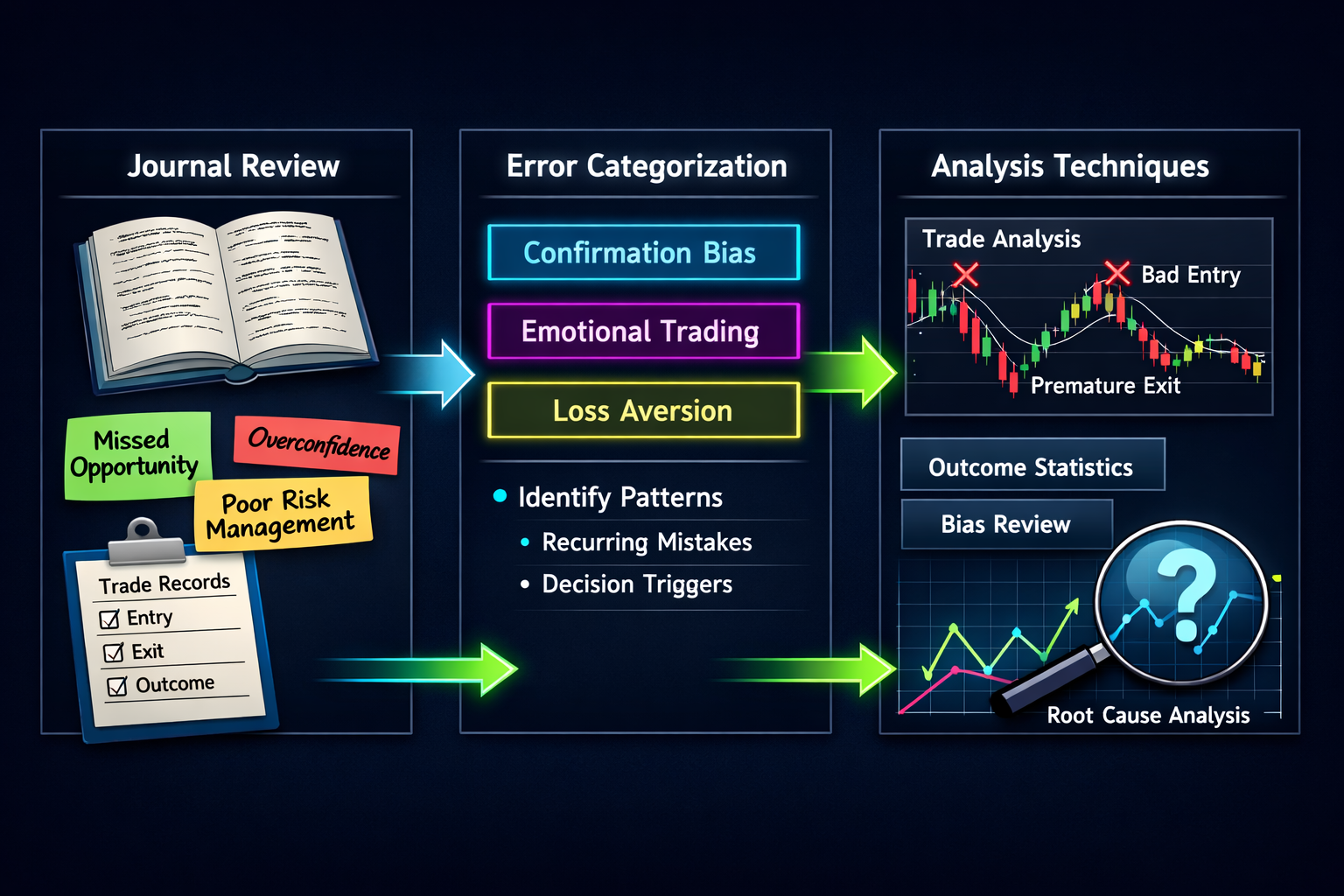
Clustering Analysis: Grouping Similar Mistakes
When trying to group similar trading mistakes, clustering analysis is a great tool that helps traders find patterns and improve their performance. Unlike manually sorting errors, which can be subjective and unreliable, clustering uses statistical algorithms to objectively categorize similar occurrences.
To perform clustering analysis effectively:
- Collect Data: Keep detailed records in your professional trading journal for each trade.
- Select Variables: Choose relevant variables like market conditions, time of day, or emotional state (though note emotional state is covered elsewhere).
- Apply Clustering Algorithm: Use software tools with algorithms such as K-means or hierarchical clustering.
Comparison Table:
| Criteria | Manual Sorting | Clustering Analysis |
|---|---|---|
| Objectivity | Subjective | Data-driven |
| Accuracy | High error margin | Reliable |
| Efficiency | Time-consuming | Automated, quick |
Clustering analysis provides a more accurate and efficient way to identify recurring trading errors. It automates the categorization process so you can focus on understanding your mistakes rather than sorting them manually.
How will you use clustering analysis in your next review of your trading journal?
Professional Trading Journal offers insights into maintaining a consistent and useful journal for effective analysis.
Emotional State and Trading Performance
Imagine you’re trading the EUR/USD pair and something at work goes wrong, making you anxious. You log into your platform at 3 PM EST feeling overwhelmed despite technical indicators showing an RSI of 29, which typically suggests a potential price increase. Instead of buying, you sell at $1.1520, only to see the market bounce back shortly after.
This shows how emotions can cloud judgment and lead to hasty decisions for immediate relief rather than solid analysis. Recognizing this impact is key to improving your trading behavior. Keeping an emotional journal alongside your trade log helps identify patterns and triggers that cause poor decisions by noting your mental state before each trade.
Keeping track of your emotions in relation to specific trades can improve self-awareness. Self-Awareness and Performance
The next time you feel an emotional surge, take a moment to assess how it’s influencing your decisions. Write down these feelings in a journal for later review to spot any recurring issues.
How will you track your emotions today?
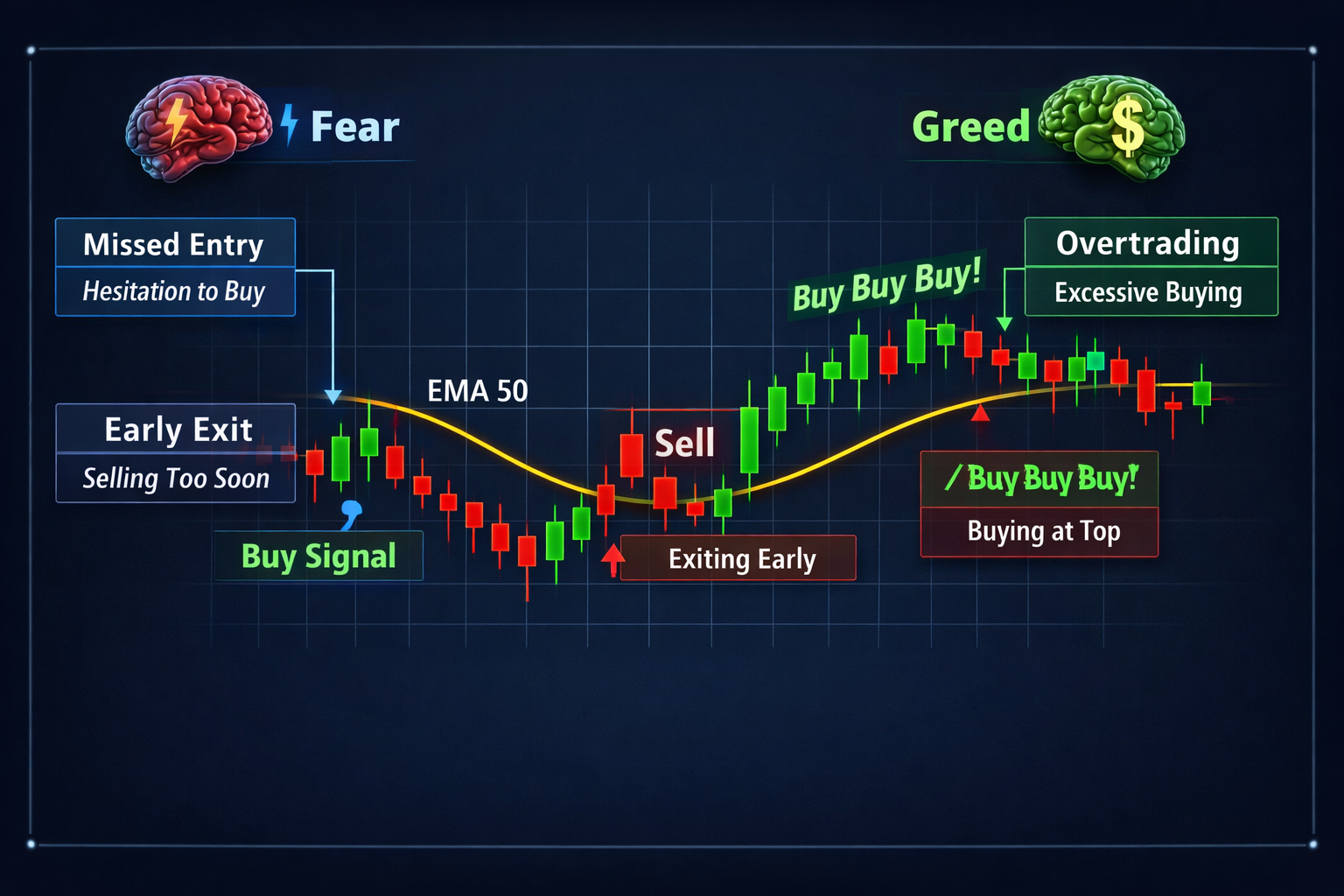
Behavioral Patterns Over Time: Longitudinal Insights
Why track patterns over time in trading journals? Keeping a record of your behaviors helps you spot long-term trends that daily stats might miss. For instance, every January, regardless of market conditions, you might find yourself underestimating risks due to post-holiday optimism.
Consistently journaling also lets you see emotional triggers like increased anxiety during major economic news releases, which can cloud your judgment. Clustering analysis techniques Clustering Analysis Techniques are handy for identifying these patterns and understanding their causes.
If you don’t track patterns over time, you might miss seasonal trends and long-term behavioral insights, like taking more risks in March because of year-end bonuses. This can lead to repeating the same mistakes that a well-maintained journal could help you avoid.
To effectively track these patterns, review your journal entries monthly to spot recurring themes and adjust your strategy based on long-term trends rather than short-term metrics.
Seasonal Trends in Trading Behavior
To effectively adjust your trading strategy based on seasonal trends:
- Check historical data to spot market tendencies during specific seasons.
- Adjust position sizes for high-risk periods like earnings season when volatility spikes.
- Review past journals for annual patterns, such as holiday effects.
- Stay updated on global events tied to seasonal changes, including political elections and economic reports.
- Monitor technical indicators during historically volatile months. Use resources like technical indicators guide to gauge market sentiment.
Don’t assume markets behave the same way all year round. Seasonal trends can impact trading behavior, such as reduced liquidity in summer leading to wider spreads and more volatile price movements.
By recognizing these patterns, you can better manage risks and take advantage of unique opportunities.
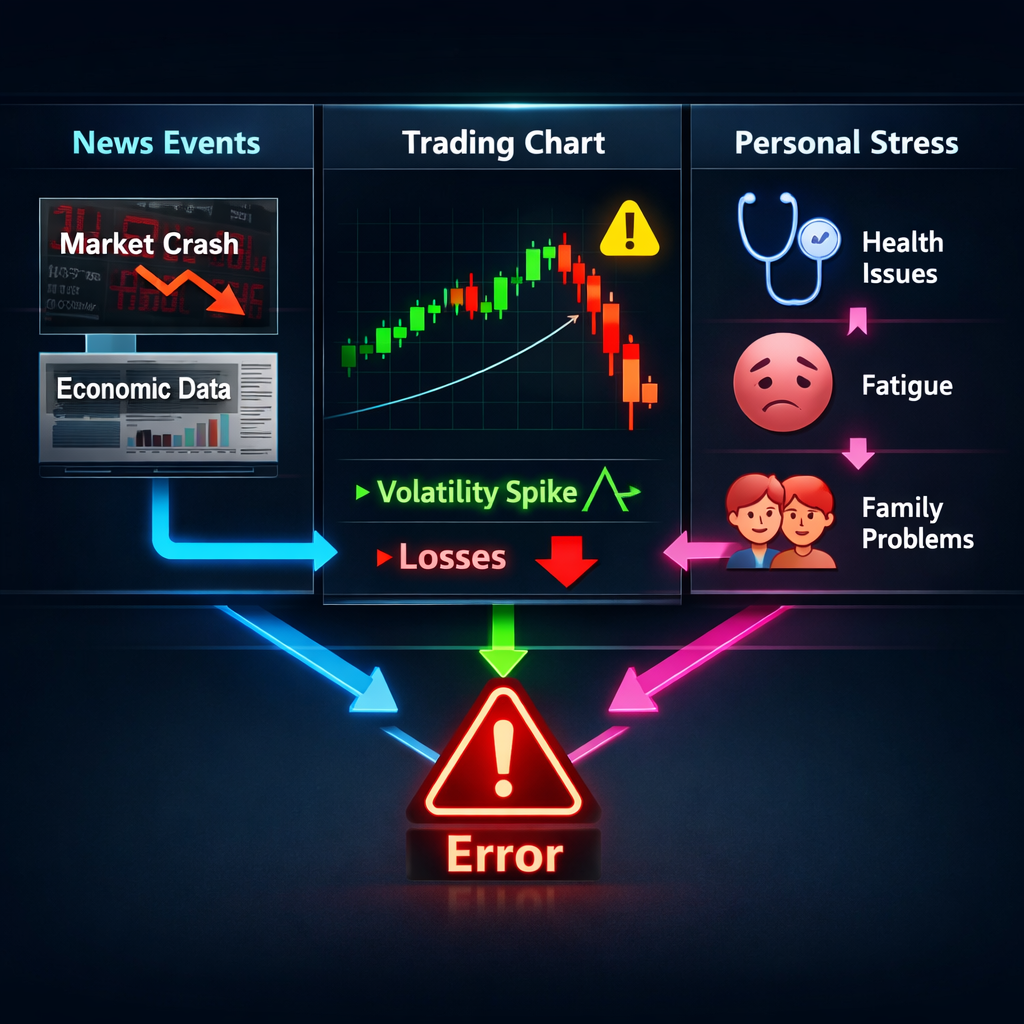
Identifying Trigger Events for Errors
To recognize trigger events for trading errors, follow these steps:
- Track your emotions: Write down what you’re feeling before and after making decisions. For example, if you often enter trades impulsively when you’re anxious or excited.
- Log external factors: Note any environmental influences like news events, market volatility, or personal stressors that affect your trading.
- Identify patterns over time: Review your journal entries to spot recurring situations where errors occur. For instance, if you often enter trades late at night when you’re tired.
- Analyze decision-making processes: Reflect on whether you stick to a plan or deviate under pressure. For example, do you abandon stop-loss orders when markets are volatile?
Ignoring emotional and environmental factors without proper journal analysis can lead to repeated errors because it fails to address situational awareness gaps.
By understanding your triggers, you can better anticipate and mitigate risks in real-time trading scenarios.
For more insights on how consistent journaling enhances performance, check out this article.
Implementing Strategies to Mitigate Risks
Once you’ve identified risks through journal reviews, creating personalized strategies can help reduce their impact. Here’s how:
- Spot Trading Patterns: Review past trades to find patterns that lead to losses or poor decisions. If you often enter trades based on market noise instead of fundamentals, address this habit.
- Adjust Position Sizes: Lower position sizes for high-risk setups and increase them for low-risk opportunities where your analysis is strong. This helps minimize potential losses while maximizing gains from successful trades.
- Set Stop-Losses and Take-Profit Levels: Define entry points based on technical or fundamental criteria, then set precise exit points to limit risk. Avoid moving stops too close to break-even after a small loss; this usually leads to larger losses due to market volatility.
- Use a Trading Checklist: Create a pre-trade checklist that includes verifying market conditions and setting protective orders. This prevents you from rushing into trades without proper preparation or analysis.
- Watch Emotional Triggers: Identify situations where emotions like fear or greed influence decisions negatively. If you tend to panic-sell during volatile periods, set rules to avoid trading in these conditions unless your analysis justifies it.
- Review Performance Regularly: Track the effectiveness of implemented strategies over time and make adjustments as needed. Monthly reviews can help identify new risks and assess whether existing ones have been mitigated.
Customizing risk management based on individual habits and emotional triggers helps minimize generic advice that often fails due to a lack of personalization. How well are your current trading journals helping you mitigate these specific risks?
Developing Personalized Risk Management Plans
To create a personalized risk management plan, start by keeping a journal of your trades and analyzing the patterns that emerge. Pay attention to how you feel when making decisions, identify recurring mistakes, and understand how seasonal trends affect your behavior. For example, if you tend to make poor choices during tax season due to stress, adjust your strategies accordingly.
Here’s how:
- Journal Regularly: Record every trade decision along with the context.
- Analyze Patterns: Use clustering analysis to spot common mistakes.
- Identify Triggers: Figure out what events or situations lead to bad decisions.
- Adjust Strategy: Develop specific risk management strategies based on your insights.
Compare a personalized plan to a one-size-fits-all approach:
| Step | Specific Criteria | Personalized Plan | One-Size-Fits-All Approach |
|---|---|---|---|
| Journaling | Consistency, detail | Tailored to individual behavior | Standard template |
| Pattern Recognition | Clustering analysis | Unique patterns identified | Generic trends applied |
| Strategy Adjustment | Emotional and seasonal factors considered | Specific strategies developed | General rules applied |
A personalized plan is more effective because it addresses your unique behaviors, identifies specific emotional triggers, and develops tailored strategies. Without personalization, you might end up with significant financial losses due to mismanaged risks.
By tailoring risk management to your trading behavior, you can reduce potential losses and boost performance. For example, adjusting strategies around stressful periods prevents costly mistakes.
How do you plan to integrate personalized risk management into your current trading strategy?
Common Mistakes to Avoid When Implementing Changes
Identifying recurring errors through your trading journal is crucial, but updating your risk management plan isn’t enough if you don’t address emotional triggers. For example, anxiety during market volatility might cause panic-selling even when you have new rules in place.
If you don’t tackle the root causes like fear and stress, you’ll likely keep making the same mistakes. When market conditions get worse and you’re not emotionally prepared, your updated plan won’t stop panic-driven decisions.
To avoid this, integrate psychological strategies with risk management techniques. Use self-awareness exercises to identify emotional triggers and develop coping mechanisms such as mindfulness or breathing techniques to manage stress during volatile periods. This dual approach helps ensure that you stick to your new rules when things get tough.
By combining these tools, you create a more effective strategy for handling market volatility without reverting to panic-driven decisions, which leads to better trading performance.
Common Misconceptions About Journal Reviews: Understanding and addressing these common pitfalls can significantly enhance your risk management and overall trading success.
Practical Synthesis: A Decision Framework for Traders
To effectively apply the insights from your trading journal and boost decision-making:
- Regular Journal Review: Spend some time each week reviewing trades to spot patterns or mistakes. Check out Common Misconceptions About Journal Reviews for common pitfalls to avoid.
- Cluster Mistakes: Group similar errors to find the root causes and solutions.
- Track Emotions: Note your emotional state before and after trades. This can help you see how emotions impact your decisions. Behavioral Finance Overview explains the link between emotions and trading.
- Identify Trigger Events: Pinpoint specific events that lead to errors, like news releases or market volatility, and develop strategies to handle them better.
- Adjust for Seasonal Trends: Analyze past performance data to spot seasonal trends affecting your trades. Seasonal Trends Analysis offers practical tips.
Avoid vague advice like “be more disciplined.” It’s not helpful and misses the point of addressing specific issues. By following these steps, you can boost self-awareness and improve trading results significantly.
Introduction to Behavioral Patterns and Recurring Errors in Trading
Understanding behavioral patterns and recurring errors is crucial for any trader aiming to improve their performance. By recognizing common mistakes, traders can refine their strategies and enhance decision-making skills. This article delves into the importance of identifying these patterns and how they impact trading outcomes.
- Behavioral patterns are consistent actions or reactions that influence trading decisions.
- Recurring errors often stem from psychological biases and lack of proper analysis.
Identifying Behavioral Patterns
Behavioral patterns in trading can be identified through careful observation and analysis. These patterns are often linked to market behavior, such as trends and chart formations. For a deeper understanding of these patterns, refer to this guide on technical analysis which provides insights into how markets move.
- Behavioral patterns can be influenced by fear, greed, and other emotions.
- Recognizing these patterns helps in making more informed trading decisions.
Recurring Errors in Trading
Common errors such as overtrading, ignoring risk management, or failing to adhere to a trading plan are frequent pitfalls. To avoid these mistakes, traders should maintain a professional trading journal where they can track their trades and identify areas for improvement. For more details on common mistakes in maintaining a trading journal, see this article that outlines the most prevalent errors.
- Overtrading can lead to significant losses due to increased transaction costs and emotional decision-making.
- Ignoring risk management often results in unexpected financial setbacks.
Higher-Level Concepts in Trading
Moving beyond basic trading techniques, higher-level concepts like the RSI indicator are essential for advanced traders. The Relative Strength Index (RSI) is a momentum oscillator that measures the speed and change of price movements. For an in-depth explanation of how to use the RSI indicator effectively, check out this guide which provides practical insights into its application.
- The RSI indicator helps identify overbought and oversold conditions in the market.
- Understanding higher-level concepts can provide a competitive edge in trading.
Further Reading
To continue learning about technical indicators, chart patterns, and other essential aspects of trading, explore these additional resources. Each link offers valuable insights that complement the topics discussed here.
- Learn Different Types of Chart Patterns – Understand recurring shapes in price movements.
- Metrics Trading Signals – Discover decision-making tools for trades.
- 5 Technical Indicators for Beginners – Introduce basic tools to understand market movements.