


How a Trading Journal Improves Your Professional Process
Table of Contents
What is a Trading Journal and Why Should You Keep One?
Defining a Trading Journal: Your Record of Progress
A trading journal is a fantastic tool – essentially, it’s your detailed record of all the trades you make, like a personal logbook for your financial journey. And it’s not just something experienced traders use; everyone involved in the markets, no matter their skill level, can really benefit from keeping one. The main idea is to document each trade carefully, providing insights into how you perform and why you make certain decisions. This ongoing self-assessment helps pave the way toward consistent improvement – a truly rewarding experience!
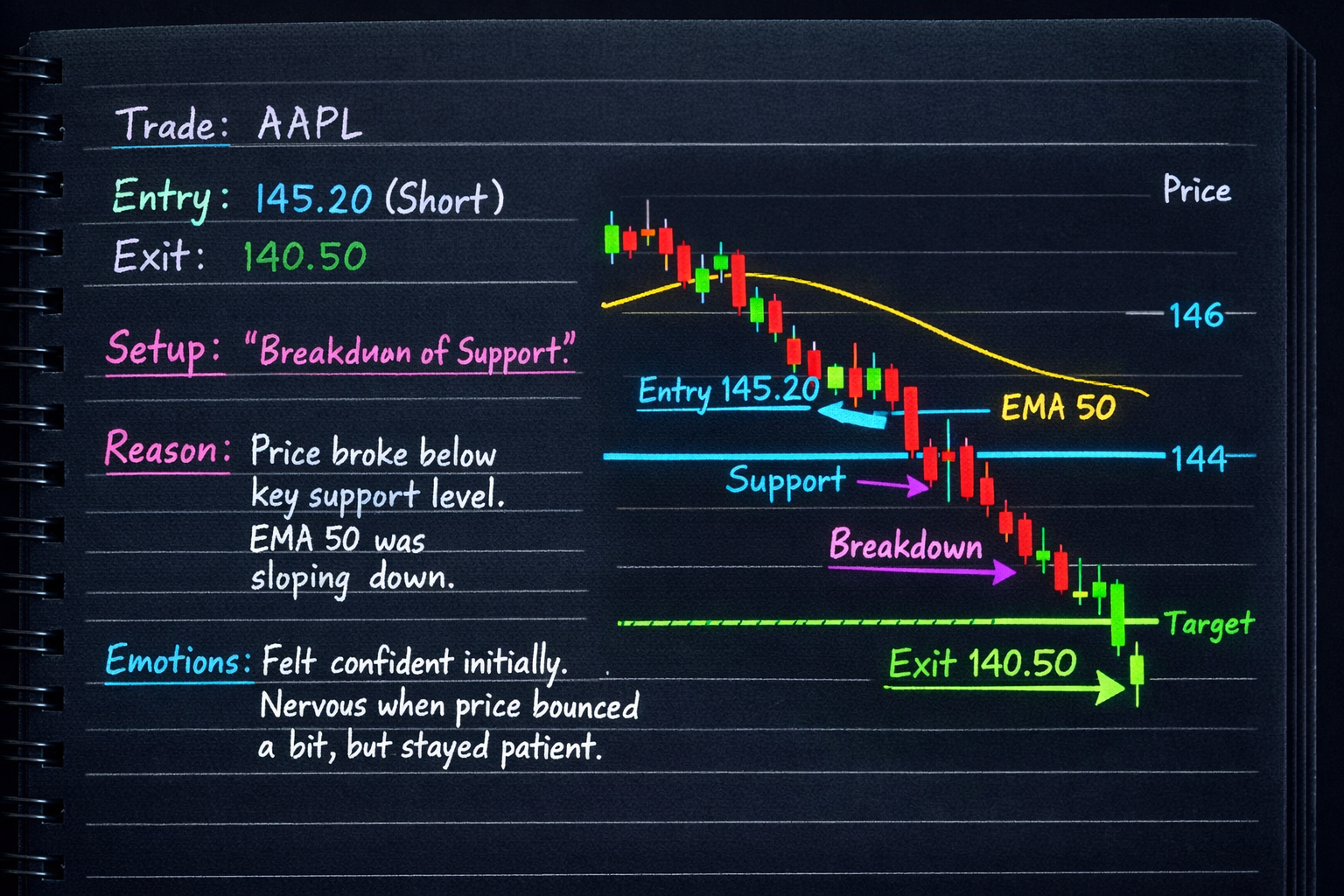
What goes into a trading journal? Usually, it includes details like the date and time of your trades, what asset you were trading (think stock tickers or currency pairs), where you entered and exited positions, and most importantly, why you made those decisions. Don’t underestimate how crucial it is to note your emotional state at the time too! Over time, analyzing this information can reveal some surprising patterns in your behavior, highlight biases you might not even realize you have, and ultimately lead to more informed and profitable trading strategies. It’s a really effective way to learn from both wins and losses! If you’re looking for ways to get started, consider checking out helpful resources like Trading Journal Academy or exploring BabyPips’ guide – they’re great places to begin your journey toward better trading habits.
Core Components of an Effective Journal Entry (Date, Asset, Entry/Exit)
A trading journal is a surprisingly simple yet incredibly valuable tool for consistent improvement. The core components are easy to grasp: each entry should carefully note three key details. First, record the date of your trade—this helps track performance over time and identify patterns in winning or losing months. Next, specify exactly what you traded, whether it was AAPL stock or something else entirely. Finally, indicate whether the action marked an entry or exit within your chosen trading strategy. Accurate recording of these elements builds a solid foundation for later analysis.
So, why is this information so important? Tracking dates allows you to analyze performance over time – did you have a particularly successful month? Identifying the assets you traded reveals where you excel and areas needing adjustment. Noting entry and exit points lets you backtest your strategies and refine them further. Consistent journaling fosters self-awareness and helps you spot emotional biases that can disrupt even the best-laid plans. Discover more about risk management to protect your capital.
The Importance of Rationale & Emotional Tracking
Benefits of Keeping a Detailed Trading Journal
Enhanced Self-Awareness Through Reflection
Identifying Recurring Patterns in Your Trades
Recognizing the Impact of Emotions on Decision Making
Spotting and Correcting Biases
Backtesting Strategies for Improved Accuracy
Risk Management Improvements Through Analysis
Different Journaling Methods: Finding What Works For You
Paper & Pen – The Traditional Approach
Pros: Simple, No Tech Required, Tangible Record
Cons: Time-Consuming, Difficult to Analyze Data
Spreadsheets (Excel/Google Sheets) - A Flexible Option
Pros: Customizable, Relatively Easy Analysis
Cons: Can Be Cumbersome for Large Volumes of Trades
Trading Journal Software – Streamlined and Automated
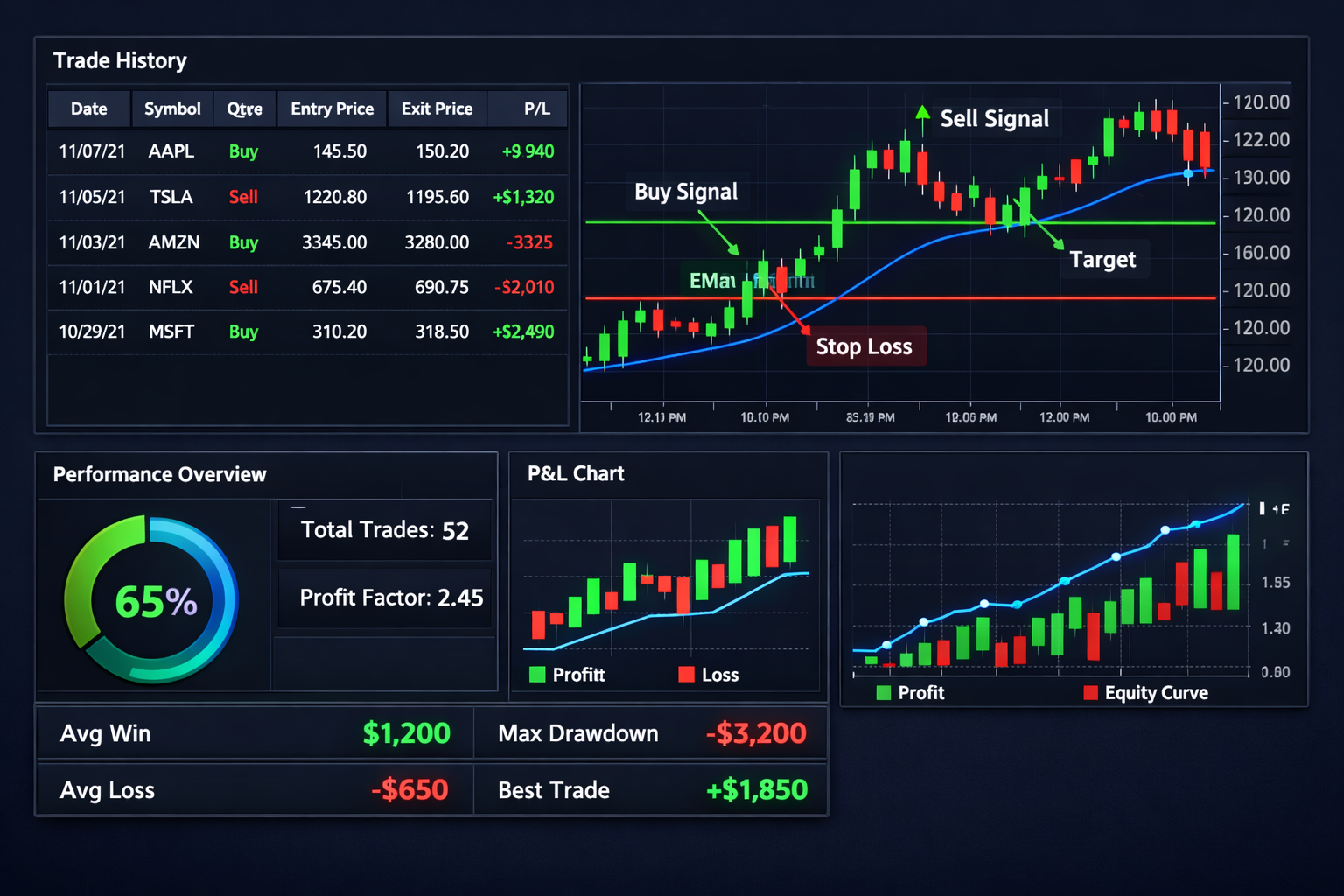
For those just starting out in trading, keeping track of every single trade might seem daunting – a bit like trying to follow every move in an intricate dance! But thankfully, trading journal software offers a much simpler way to handle this vital process. Forget about manually writing everything down on paper or wrestling with spreadsheets; these programs automatically record important details such as entry and exit prices, the dates of your trades, what assets you were trading, and even how you were feeling at the time. This automation saves a ton of time and minimizes errors, freeing you up to concentrate on analyzing your performance instead of getting bogged down in paperwork.
The real magic of trading journal software comes from its ability to reveal patterns and highlight areas where you can improve. By tracking your trades systematically, it becomes easy to see which strategies are delivering results and which ones aren’t – think of it as having a personal coach pointing out both what you’re doing well and where you could be better. You might even discover recurring mistakes or biases that are holding you back. Regularly reviewing your journal entries provides incredibly valuable insights into your trading psychology, enabling you to fine-tune your approach over time. Consistent journaling truly is a key ingredient for successful trading, and software makes it far more manageable—and ultimately, much more helpful! Ready to start boosting your trading? Check out our recommended trading journal software today.
Pros: Built-in Analytics, Integration with Brokers
Cons: Cost, Potential Learning Curve
Practical Tips for Effective Journaling
Be Specific and Detailed in Your Entries
Document Entry & Exit Triggers Clearly
Record the Rationale Behind Every Trade Decision
Honesty is Key – Embrace Both Wins and Losses
Review Your Journal Regularly (Weekly/Monthly)
Identify Areas for Improvement Based on Past Trades
Adjust Your Strategy Accordingly
Understanding Trading Psychology and Its Impact
Successful trading isn’t solely about technical analysis or market knowledge; it’s deeply intertwined with trading psychology. Emotions like fear and greed can significantly derail even the most well-thought-out plans. Recognizing these biases is the first step towards improvement, and a crucial element often documented in a trading journal. As explained in this article about trading psychology and journals, consistently recording your emotional state alongside trade decisions can reveal patterns of behavior that hinder performance.
The Power of Performance Tracking & Analysis
Beyond simply recording trades, performance tracking is about analyzing your results to identify areas for improvement. A trading journal serves as the foundation for this analysis, providing a detailed history of your trading activity. The benefits of keeping such a record are numerous; it allows you to objectively evaluate your strategies and identify recurring mistakes. In fact, this article details the many benefits of maintaining one.
- Identify profitable trading patterns
- Recognize emotional biases affecting decisions
- Track key metrics like win rate and average profit/loss