


Guide to Tracking Strategy Rules and Setup Validity
Table of Contents
Understanding Rule Compliance vs Deviations
You’ve got your trading strategy and strict rules in place, but sometimes the market throws curveballs that make it hard to stick to your plan without second-guessing yourself.
To figure out whether to follow your rules strictly or deviate from them, consider these points:
Strict Rule Compliance:
- Your initial setup criteria are still valid.
- Technical indicators like MACD and RSI confirm the trend.
- Trading signals match your strategy’s parameters.
- You document why you’re sticking to the plan in your trading journal.
Identifying Potential Rule Deviations:
- Market conditions change unexpectedly, making your initial setup criteria invalid.
- New information comes up that contradicts existing signals.
- Your analysis uncovers a rare opportunity not covered by standard rules.
By evaluating these factors, you can make more informed decisions rather than relying solely on gut feelings. What specific indicators or patterns do you use to justify deviations?
Defining Rule Compliance
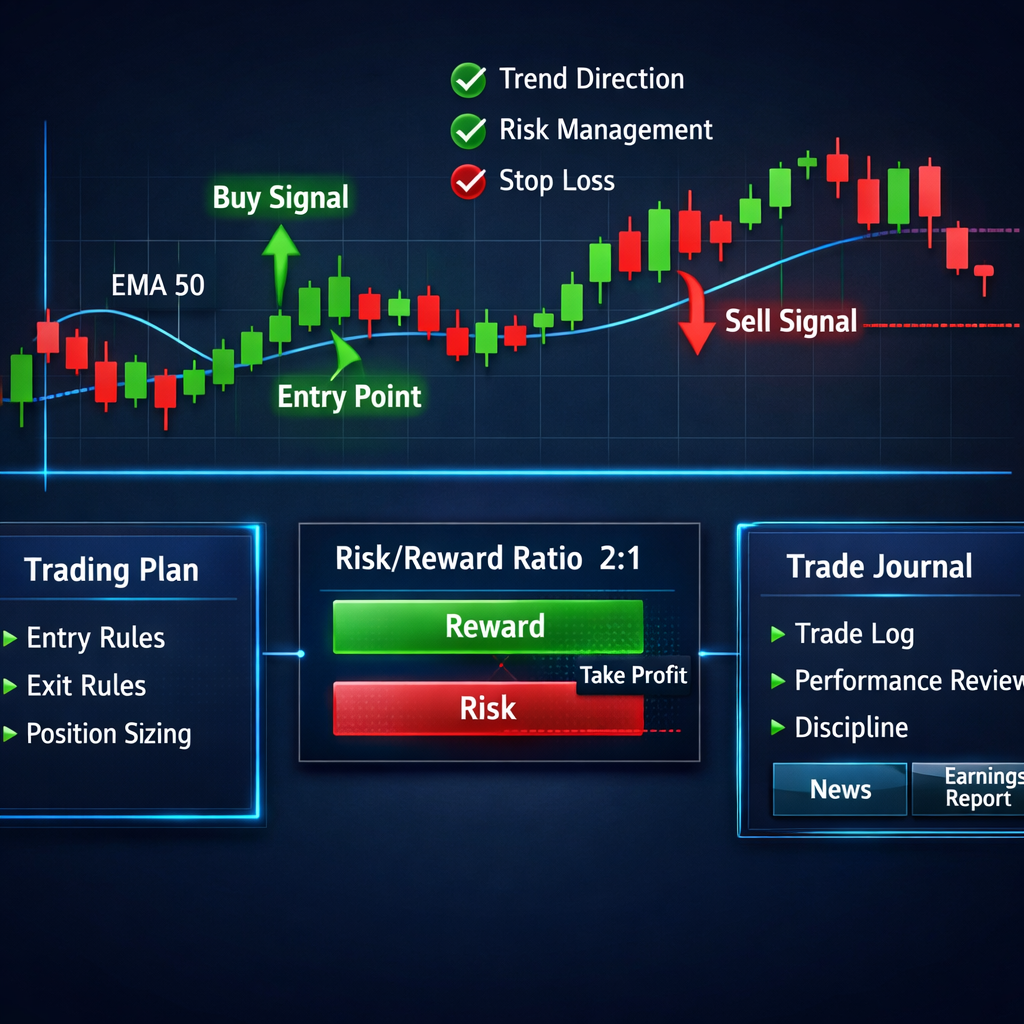
To make sure you’re following trading rules correctly, it’s important to have clear criteria for what qualifies as rule adherence. For example, if your rule says “Enter long when the MACD crosses above zero,” you need to execute a buy order exactly at that moment.
Without specific guidelines, traders might debate whether certain conditions are met or not. If you rely on technical analysis like identifying price breakouts, it’s crucial to have predefined entry points and stick to them strictly. This helps avoid ambiguous signals that can lead to inconsistent trading decisions.
Understanding what counts as rule adherence is key for making reliable trading choices. While documenting justified deviations can be helpful, the main focus should remain on adhering to your rules consistently.
How do you make sure your trade entry signals are clear and unambiguous in practice?
Identifying Rule Deviations
When can you deviate from trading rules? You should only consider breaking the rules when faced with unexpected market conditions or new opportunities that fit within the flexibility of your strategy.
Here’s how to identify and justify such deviations:
- Assess New Information: Look at changes in technical analysis, like shifts in market trends.
- Check Criteria Fit: Make sure the deviation still aligns with updated criteria for valid setups.
- Review Signals: Use indicators like MACD or RSI to check recent trading signals.
- Document Changes: Clearly explain why the change fits your strategy’s goals. For more details, see documenting justified deviations.
- Support with Data: Use trade data analysis to back up your decision. Follow objective criteria from trade data analysis.
Don’t ignore all rules without a good reason, as this can lead to inconsistent trading. Instead, find a balance between strict adherence and strategic adaptability for better results.
Evaluating Valid vs Invalid Setups
To tell the difference between valid and invalid trading setups, it’s important to have clear criteria. Without predefined rules, traders might end up making bad decisions based on gut feelings rather than objective data. Here’s how to spot the good setups from the bad ones:
Valid Setups:
- Technical Indicators: RSI under 30 and MACD crossover above zero.
- Chart Patterns: Bullish trend reversal patterns confirmed (e.g., double bottom).
- Entry Conditions: Price closes above a previous resistance level with high volume.
Invalid Setups:
- Technical Indicators: RSI over 70 or MACD below zero.
- Chart Patterns: Divergence between price and indicators like RSI, which suggests a bearish signal.
- Entry Conditions: Price fails to break through resistance despite high trading volume.
| Criteria | Valid Setup | Invalid Setup |
|---|---|---|
| Technical Indicators (RSI, MACD) | Under 30 and above zero | Over 70 or below zero |
| Chart Patterns | Bullish reversal patterns confirmed | Bearish divergence detected |
| Entry Conditions | Price closes above resistance on high volume | Fails to break resistance despite high volume |
Following these rules helps you avoid the mistakes that come from relying too much on your instincts. For example, entering a trade just because it feels right can lead to losses if the setup isn’t valid.
Use these guidelines when analyzing trading scenarios to ensure you only enter trades based on solid setups for better results.
Criteria for Validity
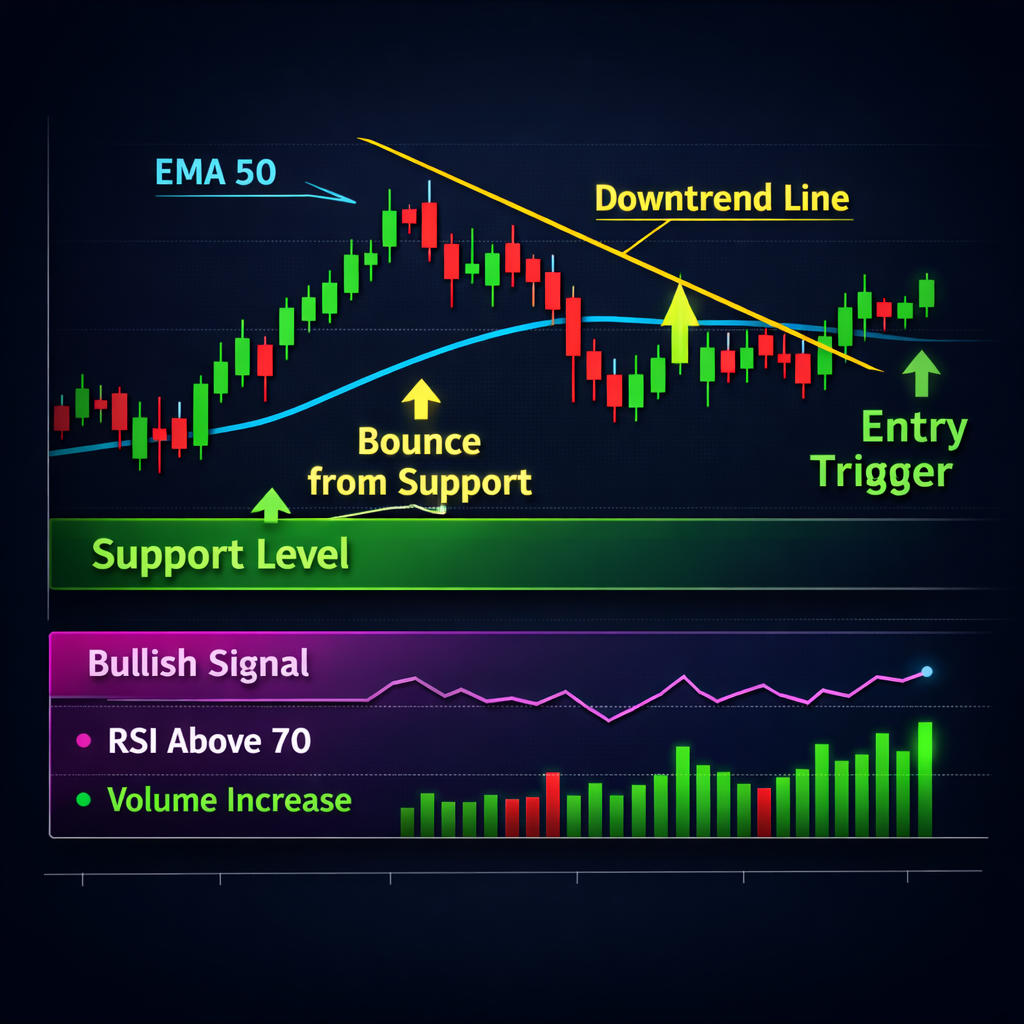
What makes a setup valid? A trading setup is considered valid when it meets clear technical conditions that ensure reliability and profitability. For example, using the MACD indicator alongside RSI validation: “Buy if the MACD line crosses above the signal line while the RSI is below 30.” This combination helps reduce false positives.
Avoid vague criteria like “wait until conditions feel right,” as they lack objectivity and consistency. Clearly define entry rules with specific price levels or indicator values, and stick to them strictly.
To learn more about valid setups, check out this resource on technical analysis. By applying these principles rigorously, you can better identify profitable opportunities.
How will you apply this knowledge today? Take a current trade idea and break it down according to the criteria for validity.
Criteria for Invalidity
To figure out if a trading setup is invalid, look for these red flags:
- Market Signals Discrepancy: If technical tools like MACD or RSI don’t match your entry points, it’s time to reassess. For example, if you’re waiting for a bullish signal but the RSI shows overbought conditions, pause and take another look.
- Price Action Misalignment: Significant divergences between price action and indicators mean your setup might be invalid. If head-and-shoulders patterns appear contrary to what you expect, reassess right away.
- Risk-Reward Imbalance: Make sure potential rewards justify the risk. A reward-to-risk ratio below 1:2 is a warning sign that suggests your setup isn’t valid and needs attention.
- Rule Deviation Analysis (RDA): Use RDA to see if your setup follows trading rules. Any significant deviation means you might be missing something important and should address it.
- Lack of Exit Strategy: A valid setup needs clear exit parameters like stop-loss and take-profit levels. Without these, your setup is likely invalid because risk management isn’t defined.
Ignoring conflicting market signals or indicators can lead to big losses and stress. Always stick to strict criteria rather than relying on gut feelings.
By applying these checks rigorously, you make sure your trades are based on solid analysis instead of wishful thinking. Next time you see an unclear signal, pause and run through the invalidity checklist to protect your capital.
Addressing Partial Rule Adherence
When trades only partially follow trading strategy rules, make sure to note these instances right away. Use Rule Deviation Analysis tools to track how often the rules are bent and identify any common patterns.
Evaluate the impact by comparing fully compliant trades with those that deviated partially. This will help you see if partial rule adherence affects your performance metrics negatively. Check against Valid Setup Criteria to ensure any trade still meets all criteria despite the deviation; otherwise, classify it as an invalid setup based on Invalid Setup Conditions.
Adjust your trading signals so that partial compliance is more clearly flagged in future trades.
For example, if you enter a trade based on a bullish MACD crossover but don’t exit when the RSI hits overbought levels, document this and use it for further analysis to refine your approach.
To keep your strategy effective long-term, review all partially adhered trades in a journal to spot trends and improve decision-making.
Consequences of Incomplete Adherence
Partial adherence to trading rules can really mess up your strategy’s effectiveness. For instance, if you need both MACD and RSI signals to confirm a buy order but only follow one of them, it’s likely that your trades won’t perform well because the validation is incomplete.
Skipping parts of your trading rules is risky since it means missing out on crucial signals needed for profitable outcomes. If you decide to buy based solely on MACD while ignoring a bearish RSI signal, this deviation could lead to losses. It’s important to follow all aspects of your trading rules rather than picking and choosing which ones to use.
To avoid these issues, keep track of any times when you deviate from your strategy and evaluate the impact. This will help you refine your approach and maintain consistency in future trades.
For more insights on why strict rule adherence is crucial for reliable trading performance, check out our technical analysis section.
Documenting Deviations Justly
Properly documenting rule deviations is crucial for transparency and accountability. Here’s how:
- Date and Time: Note when the deviation happened.
- Rule Description: Clearly state which trading rule was broken.
- Reason for Deviation: Explain why you deviated from the rule, citing specific market conditions or unusual events like unexpected news.
- Justification Criteria: Use clear criteria to justify the deviation. For example, if technical indicators like MACD changed significantly.
- Impact Analysis: Assess how the deviation might affect future trades and overall strategy performance.
- Correction Plan: Outline steps to correct any negative impact on rule adherence going forward.
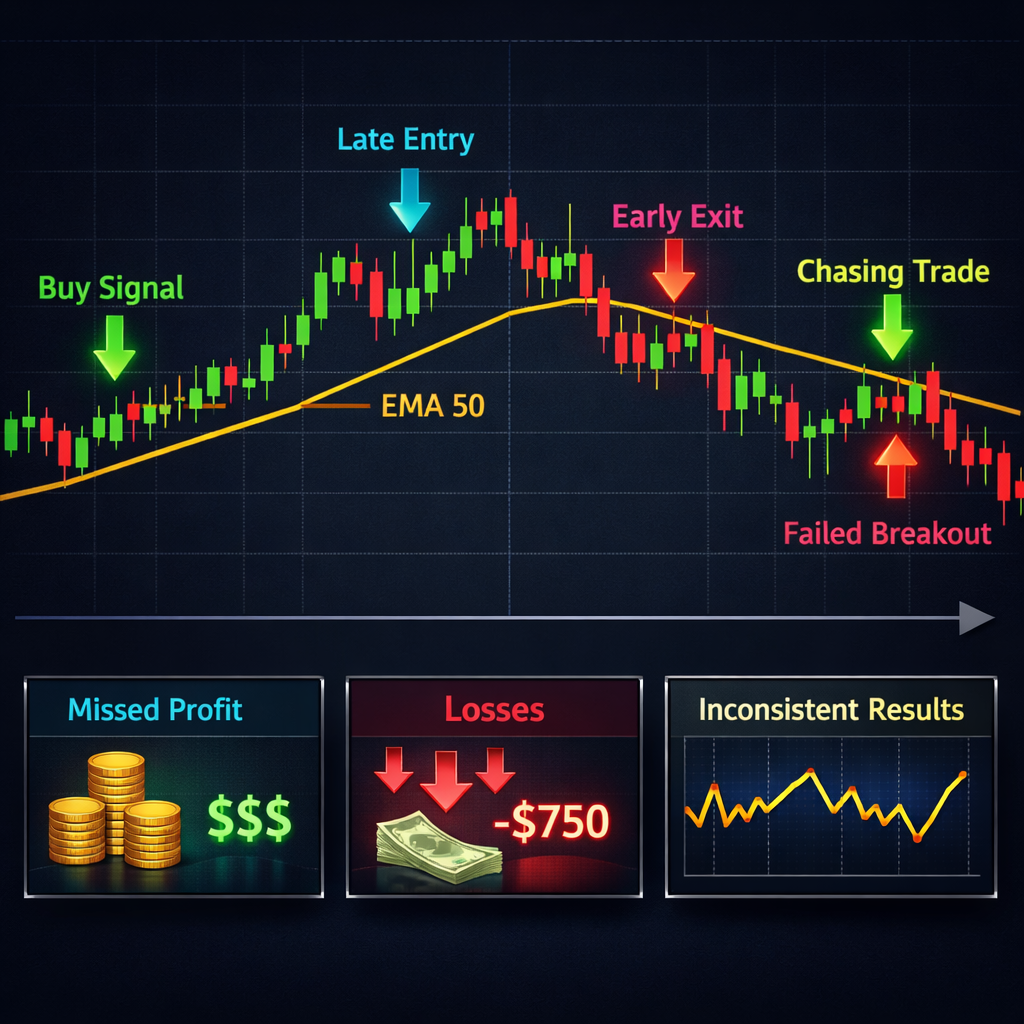
Not documenting deviations can lead to unclear accountability, unreliable reviews, and inconsistent decision-making. For instance, if you deviate from trading signals due to a sudden market event, explain why the signal was overridden and how it affected your trade execution.
Avoid common pitfalls by ensuring each deviation is thoroughly documented with all necessary details. This helps maintain trust in trading performance analysis and improves future decision-making processes.
Next Step: Review recent trades for any undocumented deviations and update them to ensure consistent compliance standards are met.
Introduction to Tracking Strategy Rules
In the dynamic world of trading, understanding and applying effective tracking strategy rules is crucial for success. These rules help traders navigate market conditions by providing clear guidelines on when to enter or exit trades based on technical analysis and performance indicators. By mastering these principles, traders can make more informed decisions that align with their overall trading goals.
- Understand the importance of tracking strategy rules in trading.
- Learn how to apply technical analysis for better decision-making.
Related Articles
To deepen your understanding of tracking strategies and setup validity, explore these related articles from Flows Trading Academy:
- Technical Analysis – Learn the fundamentals of market behavior through technical analysis.
- Trading Signals Metrics – Discover how to track and interpret performance indicators for informed trading decisions.
- MACD Indicator Mastery – Utilize the MACD indicator to identify trends and potential reversals in market conditions.
Apply with Flows: Trading Journal
Maintaining a trading journal is an essential practice for any serious trader. By recording your trading activities, strategies, and outcomes, you can gain valuable insights into your decision-making process and identify areas for improvement. As suggested in this article, using a trading journal helps enhance performance through better understanding and planning.
- Keep track of all trades to analyze patterns and trends over time.
- Reflect on successes and failures to refine your approach.
Further Reading
To continue expanding your knowledge, consider the following resources from Flows Trading Academy:
- Learn Different Types of Chart Patterns – Recognize recurring shapes on price charts to predict future movements.
- RSI Indicator Explained – Use the RSI indicator to gauge overbought or oversold conditions in the market.
- Improve Trading Decisions with Journaling – Enhance your trading performance through better understanding and planning.