


Emotional Tracking Explained: Enhancing Your Psychological Well-being
Table of Contents
Understanding Emotional State at Decision Time
When you’re making important trading decisions and anxiety strikes, it can be tough to focus on technical analysis and chart patterns. Understanding how emotions like stress, confidence, and fatigue affect your choices is crucial for making better decisions at critical moments.
- Confidence: Being overly confident might push you into risky trades or make you ignore warning signs.
- Stress: High stress levels can narrow your focus, making it harder to consider all the facts.
- Fatigue: When you’re mentally tired, your judgment suffers and you may rush into decisions without thinking them through.
Neglecting these emotional states can lead to poor choices. For example, if recent wins make you overly confident in a trade, you might miss red flags from indicators like RSI. Being aware of your emotions helps prevent such mistakes by allowing you to manage them better.
How well do you currently track your emotional state while making decisions?
Recognizing Confidence Levels
When you’re about to make a trade, take a moment to check your confidence level:
- Rate your current mood on a scale from 1 (low) to 10 (high).
- Reflect: Were recent trades based on clear thinking or impulse?
- Look at past entries in your trading journal for similar situations.
- Figure out what triggers feelings of confidence versus anxiety.
- Try mindfulness exercises to stay calm and avoid letting emotions take over.
Relying too much on gut feelings can lead to impulsive decisions, which often result in losses. By assessing yourself first, you make sure that your confidence matches the situation at hand. This helps you make more informed choices and reduces the risk of costly mistakes driven by unchecked emotions.
Next, consider how stress might impact your trading during high-pressure moments.
Stress Indicators in High-Stakes Moments
In high-stakes moments like trading, different types of stress – such as anxiety and fatigue – can really throw off your decision-making skills. Anxiety makes you overthink and hesitate, which can cause you to miss the best times to buy or sell. Fatigue, on the other hand, clouds your judgment and shortens your attention span, making it easy to overlook important signals.
For example, an anxious trader might get overwhelmed by market volatility and second-guess every move out of fear of losing money. A fatigued trader, after a long day of trading, may simply ignore critical chart patterns because they’re too tired.
Recognizing these differences helps you take proactive steps like pausing trades when you feel anxious or scheduling breaks if you’re feeling worn down. Ignoring how stress affects your decisions can lead to missed opportunities and increased risks due to poor judgment.
How do you handle stress in your trading routine?
Fatigue as a Decision Barrier
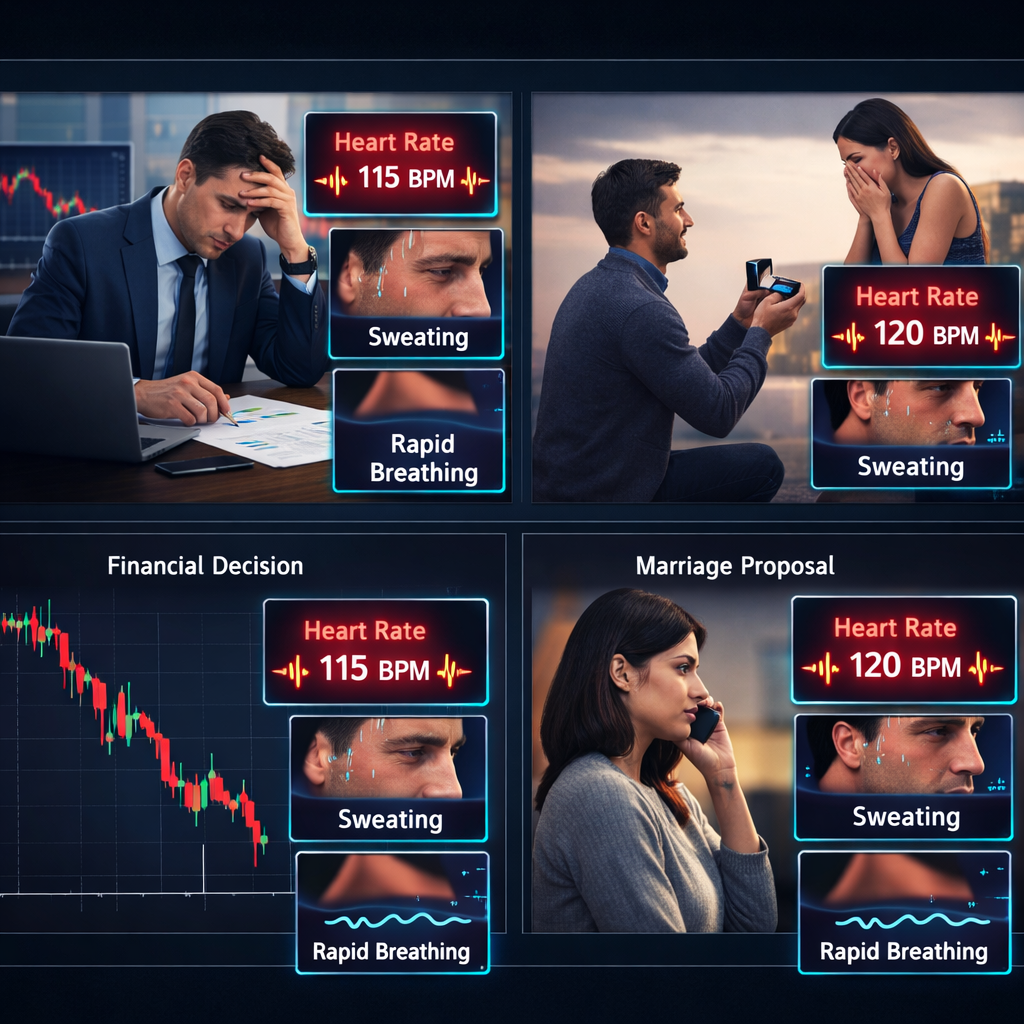
Imagine trading late at night after working long hours for weeks. At 4 AM, you see an RSI drop below 30 on an asset you’ve been monitoring closely. Your usual strategy suggests buying, but due to extreme fatigue, you overlook recent trade data showing similar dips that led to losses.
If you hadn’t reviewed this history and placed the order anyway, you’d likely face financial losses because of a pattern already identified but ignored due to tiredness.
Fatigue can cloud your judgment, making it harder to process new information and remember past experiences. By recognizing when you’re too tired, you can pause and revisit decisions later with fresh eyes.
Keeping a detailed trading journal (journaling benefits) helps document your mental state alongside trades. This way, you can identify how fatigue affects your decision-making and make adjustments accordingly.
How might reviewing past trade data help mitigate the impact of fatigue on decisions?
Linking Emotions to Decisions
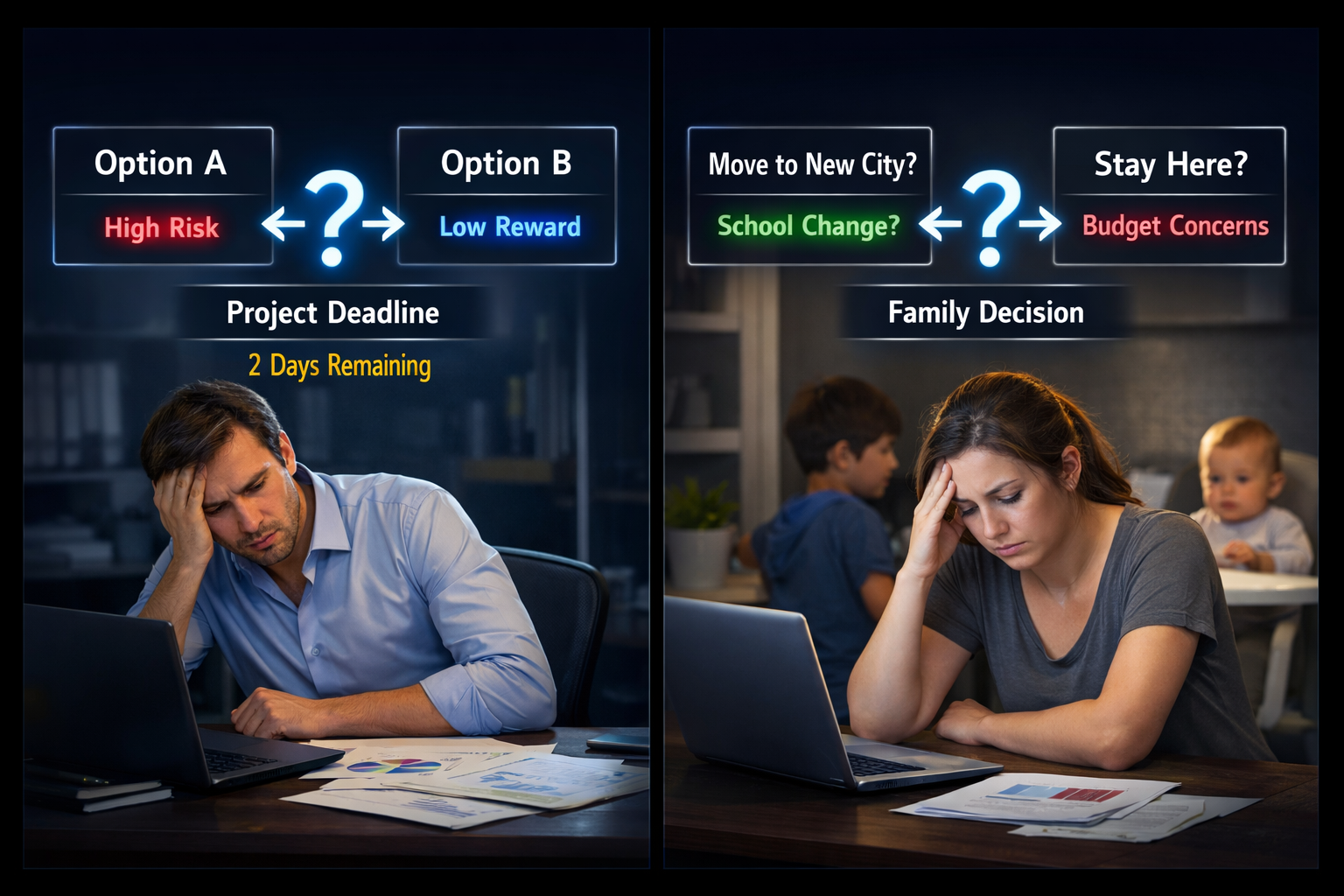
When making trading decisions, emotions like anxiety and stress can cloud your judgment. To improve the quality of your choices, it’s important to track how these feelings influence your actions.
- Anxiety: If you feel anxious, pause and review your technical analysis objectively before entering any trades.
- Confidence Levels: Before executing a trade, check if you’re overly confident. If unsure, look at your trading journal for past performance insights.
- Stress Management: Notice signs of stress like fatigue or irritability and take breaks from trading until you feel more composed. Stress can impair your cognitive functions needed for accurate market analysis.
Ignoring emotional states when making decisions is a common mistake that can lead to poor judgment and missed opportunities, undermining your ability to remain objective in volatile markets.
By linking emotions to decisions through structured tracking, you ensure that your actions are based on a clear understanding of your mental state rather than impulsive reactions. How will you implement this practice in your next trading session?
Emotional Markers in Action
To effectively track emotional markers during decision-making processes, follow these simple steps:
- Identify Key Emotions: Recognize common emotions like anxiety, confidence, or stress. For example, feeling restless before making a trade indicates anxiety.
- Note Emotional Triggers: Write down what triggers your specific emotions in real-time using your trading journal.
- Rate Your Mood: On a scale from 1 (low) to 10 (high), rate how you feel when an emotion impacts your decisions. This helps quantify the intensity of your emotions.
- Connect Emotions with Decisions: Consider how each emotional state influences your trading choices. Did anxiety make you rush into a trade?
- Review and Adjust: Regularly review journal entries to spot patterns in emotions and decision-making habits, then adjust future strategies accordingly.
Common Mistake: Not consistently recording emotions can lead to ineffective tracking of emotional markers, which hinders improvement in decision-making skills.
Use these steps to start identifying and tracking emotional markers today. Your trading journal is crucial for this process; make sure you use it diligently.
The Impact of Emotional States on Outcomes
How do emotions affect decision-making when you’re trading? Emotions like anxiety or stress can really cloud your judgment. You might spot bullish indicators but feel too worried from recent losses and hold off on making a trade, missing out on potential gains.
Ignoring the impact of emotions is risky – it’s like ignoring traffic lights. They give you crucial signals about your mental state that affect how you interpret information and make choices. By recognizing this influence, traders can develop better strategies to handle emotional effects.
To start managing emotions more effectively, keep a trading journal. Note both objective data (like RSI readings) and your feelings during each session. This helps you identify patterns between your emotional states and decision outcomes, allowing for better preparation and control in future trades.
Next step: Start logging your emotional responses alongside your trading decisions to see how they correlate.
Common Mistakes in Emotional Tracking
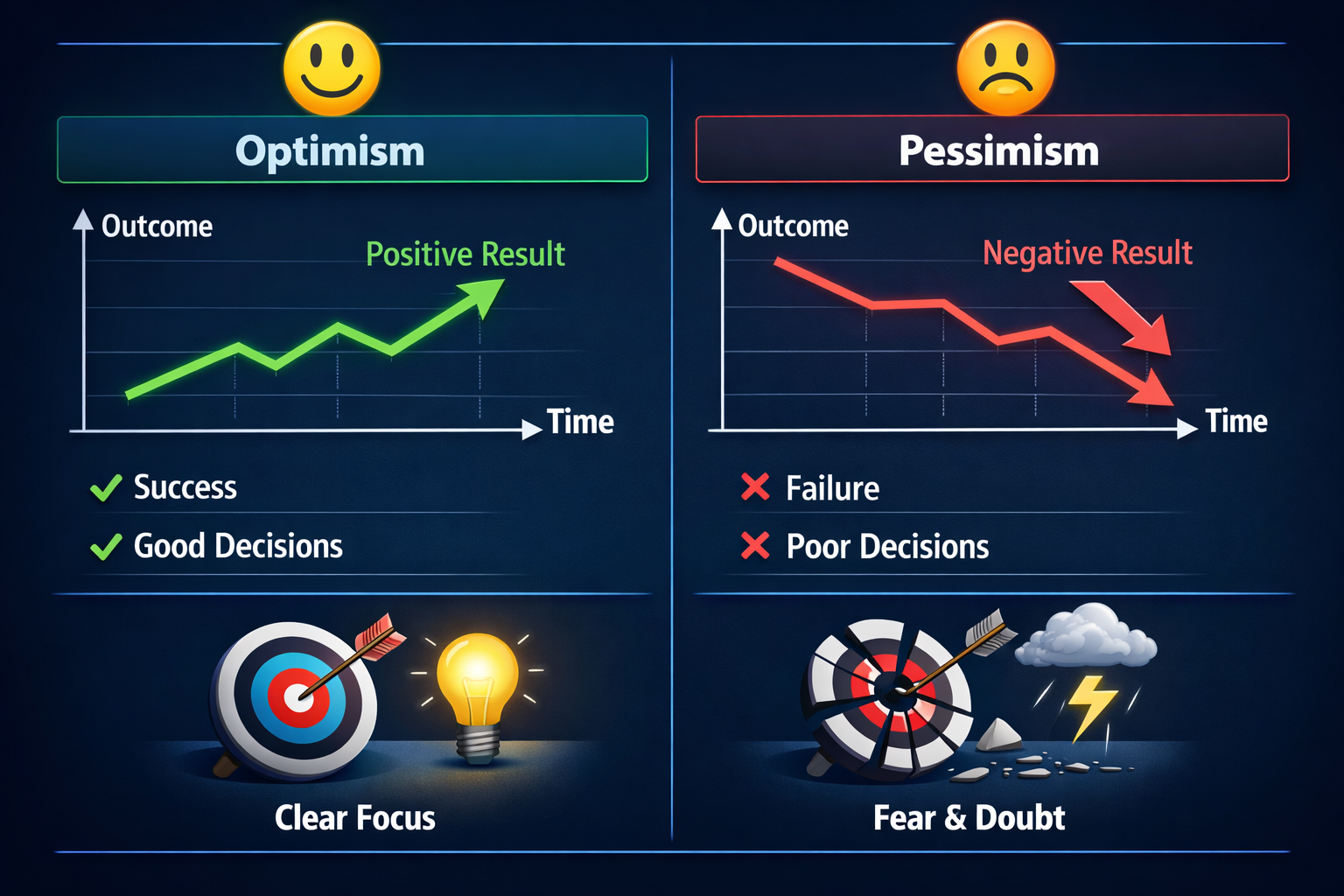
When tracking your emotions to inform decision-making, beginners often run into common mistakes that mess up their data. Here are three key errors and why they’re problematic:
- Ignoring Physical Sensations: Confusing physical feelings like hunger or thirst with emotional states such as anxiety can lead to inaccurate readings of your mental state.
- Overgeneralizing Emotions: Not distinguishing between specific emotions (e.g., fear vs. excitement) makes it harder to pinpoint what’s really going on and limits the usefulness of your tracking.
- Neglecting Contextual Factors: Failing to consider external factors like market volatility or personal stress levels when recording emotional states can skew how you interpret their impact on decision-making.
For example, mistaking hunger for anxiety might make you overestimate your stress level and lead to overly cautious trading decisions.
To stay on track, always double-check that physical discomfort isn’t clouding your emotional assessments. Also, be sure to note down the specific circumstances surrounding each emotion. Understanding Emotions Basics can help you better distinguish between different feelings.
By improving how you track your emotions, you’ll boost the reliability of your insights and make better trading decisions.
Overlooking Subtle Emotional Cues
- Notice small changes in your mood throughout the day. These subtle shifts can show you feelings like unease or satisfaction that might affect your trading decisions.
- Watch out for any slight discomfort during trading sessions, even if it doesn’t seem related to market events. This could be a sign of stress or anxiety impacting your judgment.
- Use mindfulness exercises to stay in tune with these cues without overthinking them. Overanalyzing can mess up your perception and lead you astray when making decisions.
- Keep a trading journal where you write down any emotional cues alongside trade data. Linking emotions with specific trades helps you see how they influence your choices.
- Regularly review past entries to spot patterns between subtle emotional cues and decision outcomes. Recognizing these connections can help you make better-informed choices.
Incorrect Approach: Dismissing minor mood shifts as unimportant can prevent you from addressing underlying stress or anxiety that might impair judgment in crucial moments.
For example, if a trader feels slightly uneasy but dismisses it because they think it’s not significant, they could miss potential market risks. This oversight might lead to missed opportunities or costly mistakes.
Misinterpreting Emotional Data
When interpreting emotional data during trading decisions, it’s crucial to avoid common pitfalls that can lead you astray. Here’s how to do it right:
- Acknowledge Context: Don’t assume positive emotions always mean good decisions. Consider the situation.
- Recognize Nuanced States: Distinguish between temporary happiness and genuine confidence in your trading strategy.
- Avoid Oversimplification: Negative feelings don’t necessarily indicate poor decision-making. Look into factors like stress or fatigue.
Keeping a professional trading journal can help you log emotional data along with trade details, providing context for each entry. This article explains how logging emotions and trades together can shed light on their impact. Regularly reviewing these patterns will help you spot triggers and understand their effect on your decision-making.
Remember, positive feelings alone don’t guarantee sound decisions. Always consider the bigger picture, including stress levels and mental state, to accurately interpret emotional data.
Implementing a Structured System for Emotional Tracking
How do I set up an emotional tracking system? Here’s a straightforward way to get started:
- Choose a tool or journal like trading journal to log your emotions daily.
- Define clear emotion categories such as anxious, confident, stressed, and fatigued.
- Set consistent times for tracking – record your emotional state at the same time each day or before and after trading sessions.
- Use a rating scale from 1 to 5 for consistency.
- Note what triggers these emotions and how they affect decision-making.
Common mistake: Not tracking consistently can lead to unreliable data, making it hard to draw accurate conclusions.
By following this structured approach, you’ll keep your emotional data reliable and useful for future analysis.
Choosing the Right Tools
If you’re new to emotional tracking during trading sessions and aren’t sure which tool is right for beginners, consider using a journal app like MoodNotes. It’s user-friendly and comes with pre-set emotional labels along with space to write detailed notes.
Here’s how you can get started:
- Download the app from your device’s app store.
- Sign up or log in if you already have an account.
- Begin logging your daily emotions.
A common mistake is choosing a complex tool that’s hard to use, which can lead to frustration and eventually stopping the practice altogether. MoodNotes avoids this by making it easy for beginners to focus on recording their current feelings without getting overwhelmed by extra features they might not need yet.
Using an app like MoodNotes helps you stay consistent over time, allowing you to link your emotional state directly to trading decisions and improve your overall awareness. Without a tool, you might forget entries or lack a systematic way of analyzing patterns later on.
You can also enhance the effectiveness of your emotional tracking by linking it with decision-making techniques from MindTools Decision-Making Techniques.
To find the right fit for you, try out different tools briefly and see which one works best in your routine.
Regular Review and Adjustment
Regularly reviewing and adjusting how you track emotions during trading is crucial for keeping your insights accurate and relevant. Ignoring this can lead to outdated information that hurts your decision-making.
Here’s a comparison of three effective strategies:
| Strategy | Frequency | Criteria for Adjustment | Effectiveness in Decision-Making Outcomes |
|---|---|---|---|
| Weekly Review | Once per week | Look at emotional patterns and make changes where needed | High |
| Monthly Reflection | At least once a month | Assess long-term trends and adjust tools or techniques accordingly | Moderate |
| Event-Driven Adjustments | After significant events or decisions | Re-evaluate emotional triggers post-event to refine future responses | Highly Relevant |
Weekly reviews give you immediate feedback on daily emotions, allowing quick fixes. Monthly reflections provide a broader view for analyzing long-term trends and refining your methods.
For example, if weekly reviews show that high-pressure trading sessions often cause anxiety, you can tweak your pre-trade preparation or add relaxation techniques before major decisions. This helps keep your emotional data current and improves decision-making.
Not reviewing and adjusting regularly means relying on outdated information, which can lead to poor decisions. Make it a habit to revisit and refine how you track emotions based on evolving needs.
Next step: Start doing weekly reviews of your trading sessions’ emotional markers to catch trends early.
Practical Synthesis: Decision Framework for Emotional Tracking
When making tough calls under pressure, use emotional tracking to sharpen your judgment. For example, if anxiety is messing with your analysis of trade signals, take a break and reassess.
- Recognize Emotional Triggers: If stress or fatigue sets in, step back and see if these feelings are skewing your decisions.
- Evaluate Impact on Objectivity: Notice patterns where poor choices crop up during high-stress times. For instance, if anxiety spikes while looking at chart patterns, pause to consider how it might be affecting accuracy.
- Adjust Decision-Making Process: When fear or greed take over, review your data objectively before making a trade.
Incorrect Approach: Relying solely on logic without considering emotional states can lead to bad calls. Ignoring these cues is like driving blindfolded; you miss crucial signals that impact performance.
- Integrate Emotional Data: Use tools like MoodNotes to track and record how emotions affect your trading sessions, linking them back to decision outcomes.
- Regular Review: Periodically look back at past decisions, noting the role of emotions in those choices. This helps refine strategies and improve emotional intelligence in trading.
By continuously reflecting on your emotions, you develop a better understanding of your behavior patterns and decision-making processes. How will you start using this practice today?
Introduction to Emotional and Psychological Tracking
Understanding your emotional and psychological state is crucial for maintaining well-being, especially in high-pressure situations like trading. By tracking these states, you can identify patterns that affect decision-making and overall performance. Techniques such as journaling are invaluable tools for this process.
- Emotional tracking helps recognize triggers and responses
- Psychological analysis aids in managing stress and anxiety
Related Articles on Visual Analysis and Journaling
To enhance your understanding of visual analysis techniques, consider reading this article which introduces various chart patterns. Additionally, for insights into how journaling can improve trading performance, check out this detailed guide.
- Learn about different types of visual analysis techniques
- Discover the benefits of maintaining a trading journal
Applying Emotional Tracking with Flows Trading Tools
Flows Trading offers several tools that can complement your emotional and psychological tracking efforts. For instance, the Trading Journal feature helps you document your trading experiences in detail, which is essential for recognizing patterns over time.
- Use the Trading Journal to record daily activities
- Analyze performance metrics with Flows’ advanced tools
Further Reading and Resources
For a deeper dive into technical analysis, explore this comprehensive guide on the subject. Additionally, understanding how to interpret trading signals using metrics can be found in this detailed article.
- Explore technical analysis techniques for market behavior
- Learn about performance tracking through metrics
Improving Professional Process with Documentation
Maintaining a thorough trading journal not only helps in recognizing patterns but also improves your professional process. As explained in this article, keeping detailed records can significantly enhance decision-making and overall performance.
- Keep a comprehensive trading journal for better insights
- Use documentation to improve your professional process