


Understanding Strategy Performance vs Execution Quality
Table of Contents
Distinguishing Strategy Performance from Execution Quality
You’ve been analyzing your trading results and feeling frustrated because something just isn’t working right. Even after tweaking your strategy, you’re still getting inconsistent performance. The tricky part is figuring out whether it’s the strategy itself or how you’re executing trades that needs fixing.
Distinguishing Strategy Performance from Execution Quality
To make this distinction, follow these steps:
- Set clear goals for both your trading strategy and its execution.
- Review your trading journal regularly to see where your strategies aren’t lining up with actual trades.
- Analyze any deviations between planned and executed trades to spot real-time market challenges.
- Measure the results of different strategies independently, using metrics like win rate and risk/reward ratio without mixing in execution issues.
- Isolate factors affecting each part separately, considering external variables that might influence strategy effectiveness versus those impacting trade execution.
Understanding the gap between your trading plan and how it’s carried out is key. Otherwise, you’ll end up addressing symptoms rather than the root causes of poor performance. Getting feedback from experts on both areas can provide valuable insights into improving both your strategy and its execution quality.
Common Misconceptions About Strategy vs Execution
When reviewing your trading performance and feeling frustrated, it’s important not to immediately assume that your strategy is flawed without first looking at how well you’re executing it.
For example, if you rely on technical analysis but aren’t consistently following through with trades based on the signals from your indicators when market conditions match your criteria, you might wrongly conclude that the indicators themselves are unreliable. This could lead you to unnecessarily tweak your strategy instead of addressing how you’re implementing it.
To figure out whether a poor outcome is due to a flawed strategy or poor execution, start by keeping a detailed trading journal. Logging both your trades and your adherence to the plan helps pinpoint where things might be going wrong. If deviations in following the plan correlate with poor results, then you know there’s an execution issue rather than a problem with the strategy itself.
How will you use your trading journal tomorrow to spot any execution issues?
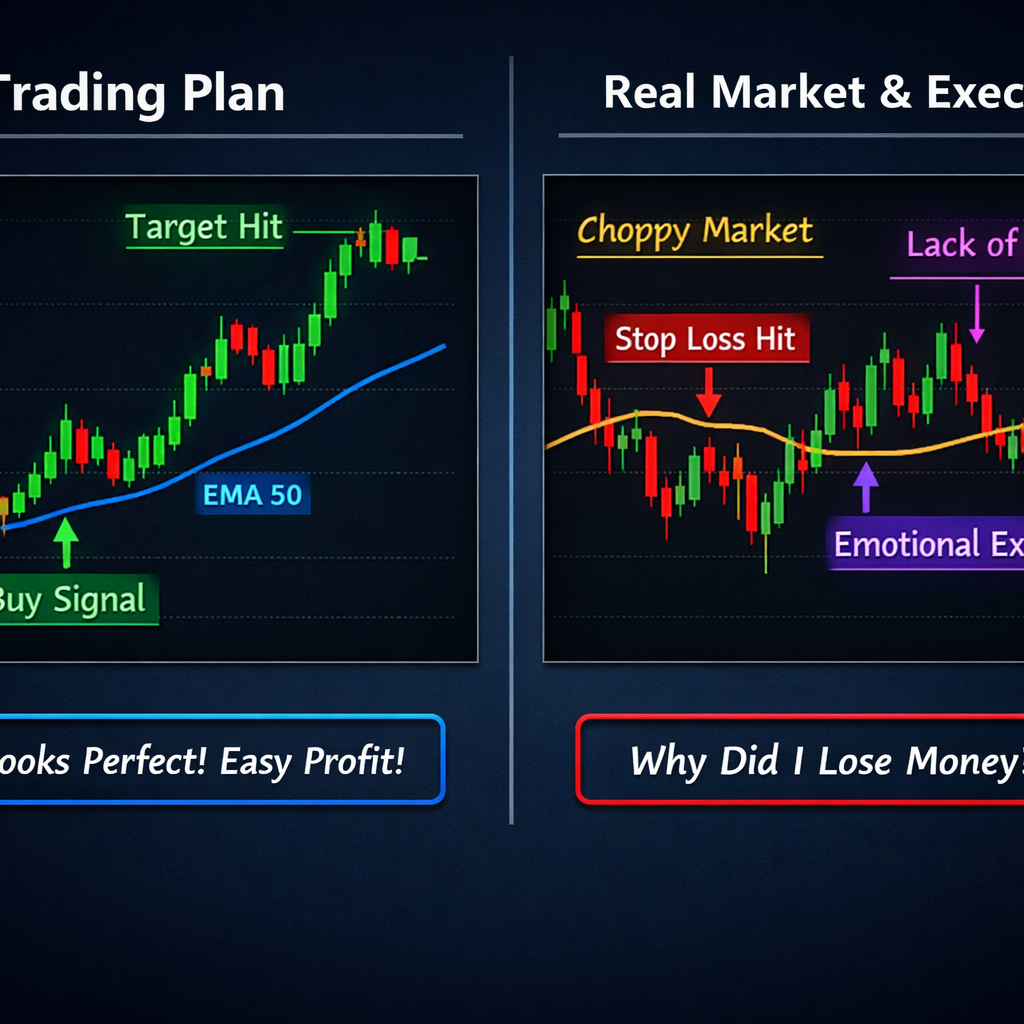
Clarifying Misconceptions About Strategy vs Execution
Imagine you’ve created a trading plan using tools like MACD but aren’t seeing the results you hoped for. You might wonder if it’s because of your strategy or how you’re putting it into action.
For example, relying too much on signals without proper risk management can lead to poor execution, even if your strategy is solid. Conversely, executing trades perfectly won’t fix a flawed strategy either. Understanding this distinction helps beginners avoid blaming one part for problems in the other and stops them from wasting time on the wrong areas.
To figure out where things are going wrong, keep a detailed trading journal. This lets you see the difference between your strategic choices and how you actually carry them out, helping you pinpoint exactly what needs to be improved.
How will reviewing your execution help improve your overall strategy?
By carefully reviewing your execution, you can identify any gaps or issues in your plan that are holding back performance. For example, if you notice you’re consistently entering trades too late, this might suggest adjusting the signals you rely on or setting clearer entry rules. If you see recurring losses due to high risk without adequate reward, it could mean you need to focus more on managing risk and setting proper stop-losses. This kind of review helps you make concrete changes that can improve your strategy’s effectiveness.
Analyzing Strategy-Level Data for True Performance
To analyze your trading strategy’s performance without getting into individual trades, start by looking at your trading journal for the current strategy. Calculate your overall win rate and note any significant deviations from what you planned.
Understanding why these deviations happen is crucial; they can reveal problems with your strategy or mistakes in how you follow it. Compare actual results with historical backtests to see if underperformance comes from flawed logic or poor discipline. Categorize each deviation as either a strategic issue or an execution error, like making emotional decisions that affect rule adherence.
Write down what you’ve learned and review your entries objectively to spot patterns that might be undermining sound strategies. This disciplined approach helps prevent unnecessary overhauls due to minor execution lapses.
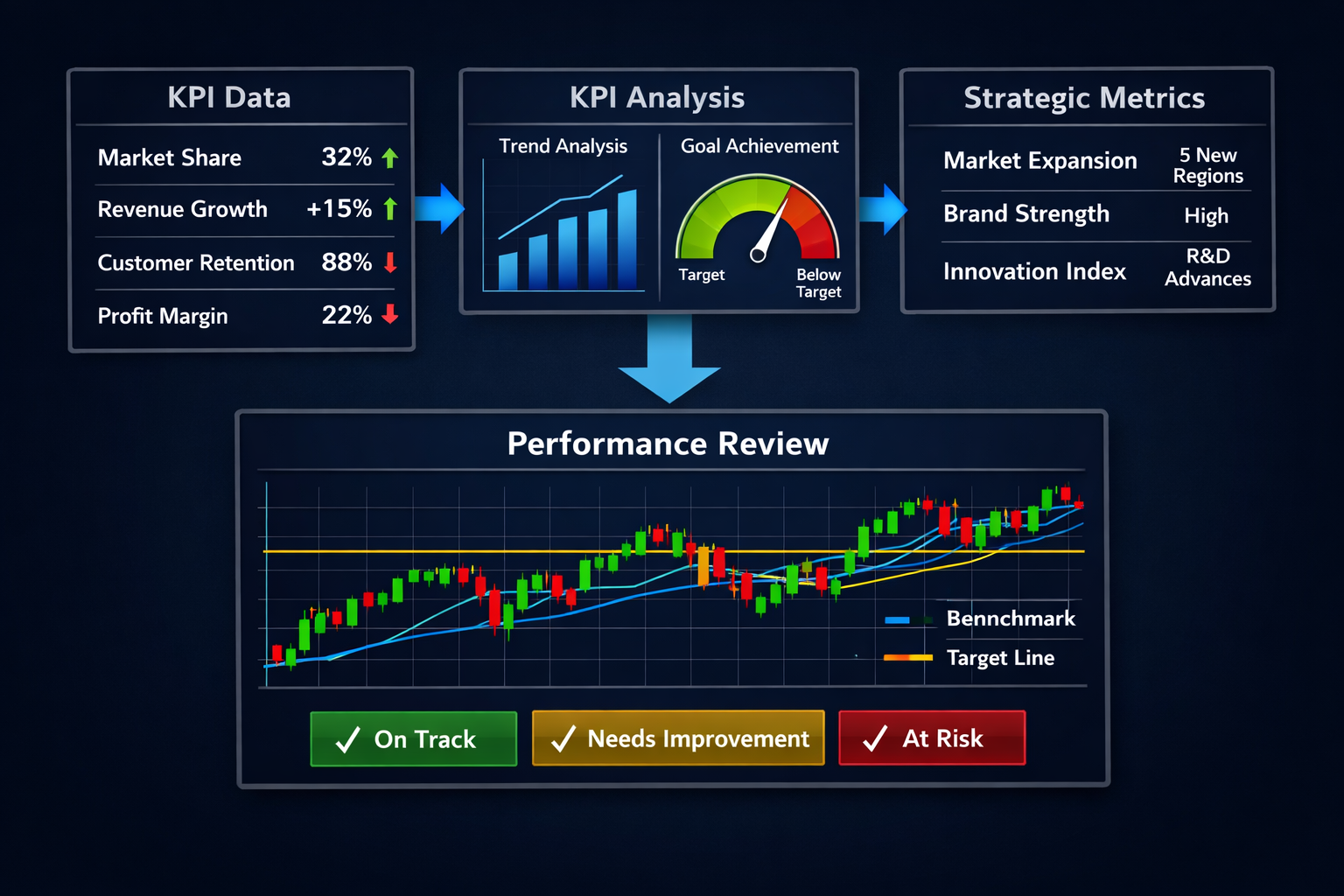
Conducting Trade-Level Analysis to Spot Execution Errors
Imagine you’ve carefully planned your trades but still see disappointing results. How do you figure out if the problem is due to poor execution or an ineffective strategy? Start by comparing each trade’s outcome against its strategic goals.
Key differences to spot:
- Deviation from Trading Rules: Look for instances where a trade violates your pre-defined rules, like staying in despite hitting the 2% stop loss threshold.
- Unexpected Results Despite Adherence: If you follow all trading rules meticulously but still see negative outcomes, it might suggest a flaw in your overall strategy.
| Criteria | Trade-Level Execution Error | Strategy Flaw |
|---|---|---|
| Deviation from Rules | Yes: violated predefined parameters (e.g., stop loss) | No: followed all rules but still lost money |
| Performance Impact | Poor even when following rules closely | Consistent negative results despite adherence |
To avoid misattributing poor performance to your strategy, use a trading journal to track every trade’s details. This allows for an objective evaluation based on facts rather than hunches. For example, if you notice most losses occur after ignoring stop-loss signals due to market volatility fears, the problem lies in execution.
By analyzing specific examples from your trading journal, you can distinguish between strategic flaws and execution errors effectively. Ensure you make informed decisions about refining either your strategy or improving how you execute trades. Now, review your recent trades with this framework to spot any recurring patterns of poor execution.
Failing to accurately identify these issues can lead to unnecessary changes in a potentially profitable approach.
Using Journal Data to Identify Execution Deviations
Imagine you planned a trade using MACD signals, setting an entry price of $105 per share for XYZ stock with a stop loss at $102. But when you review your journal, you see that the actual entry price was $107.
Journal Entry Example:
- True
- True
- True
- Planned Entry Price: $105
- Actual Entry Price: $107
- Stop Loss Set at: $102
This shows an execution deviation, meaning you entered the trade above your intended price by $2 per share. Overlooking such details can lead to higher costs and lower profits over time, eventually resulting in significant losses.
By analyzing journal entries, you can spot whether these deviations are due to strategic flaws or simple execution errors. For example, if you often enter trades at prices above what you planned, it might be because of market slippage or emotional triggers like fear and greed.
Learn more about trade data analysis to help refine your trading process and catch execution issues early.
Categorizing Types of Execution Errors for Improvement
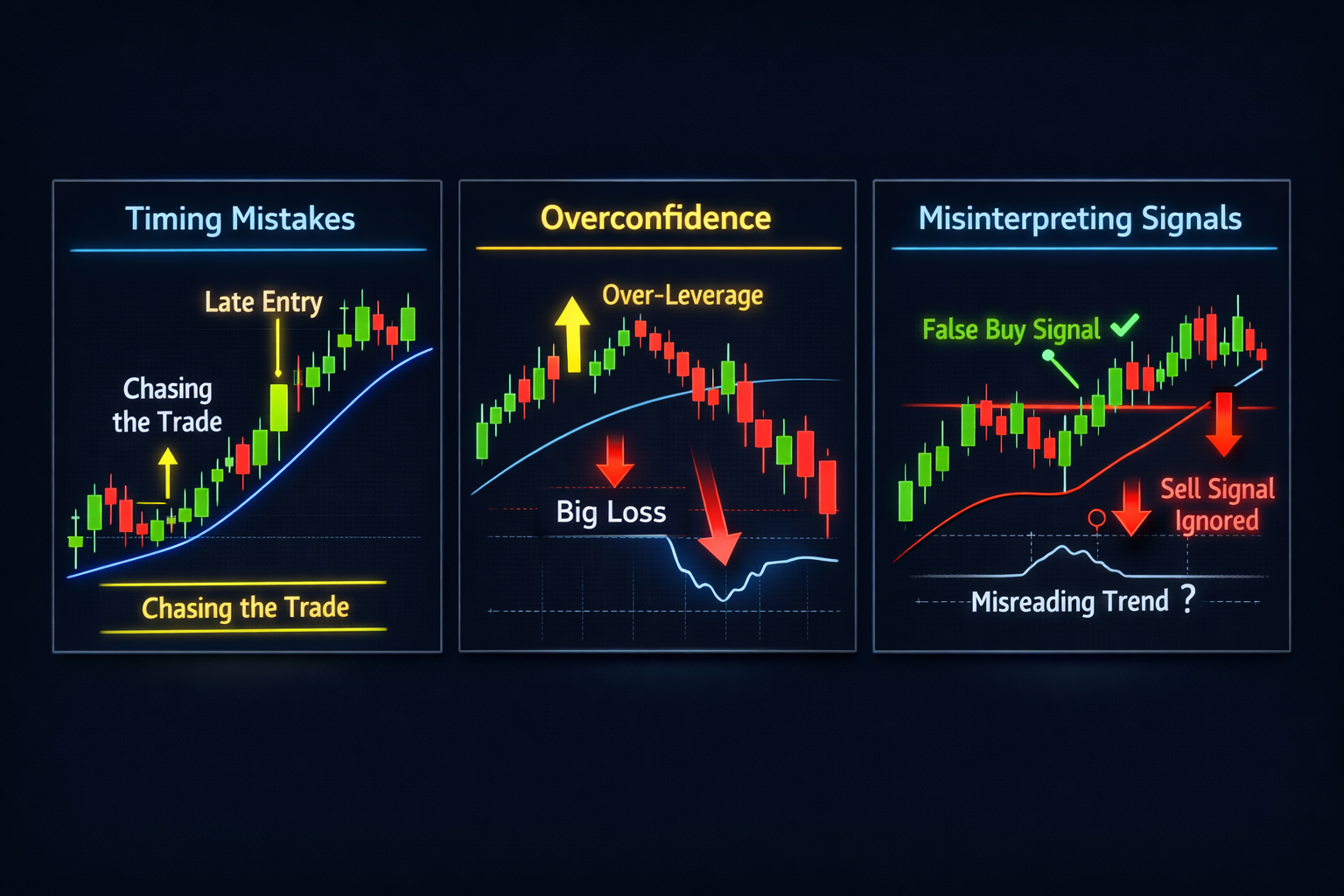
When reviewing your trading journal and noticing disappointing results, start by categorizing the execution errors to pinpoint areas that need improvement:
- Entry Timing Errors: Missing the ideal entry point despite clear technical signals.
- Example: Hesitation led to missing an MACD signal at $105.
- Lack of Discipline in Execution: Not adhering to predefined rules due to fear or greed.
- Example: Selling early because of fear, even though MACD indicators suggested the potential for further gains.
- Incorrect Stop Loss Placement: Setting stops too tight or too wide, leading to unnecessary exits or large losses.
- Example: Placing a stop loss at $102 when volatility required more room.
- Failure to Adjust for Market Conditions: Continuing trades without adjusting your plan despite clear changes in market conditions.
- Example: Keeping up with trades during a sudden dip without updating your strategy based on the latest technical analysis.
Don’t assume all performance issues are due to strategic mistakes. Start by closely examining execution errors, document specific instances, and look for patterns. This will help you improve consistently over time.
Implementing Risk Management Strategies Post-Analysis
Once you’ve analyzed your trading performance and found areas for improvement, here’s how to implement better risk management:
- Set Stop-Loss Levels: Determine clear stop-loss points for each trade based on your analysis.
- Adjust Position Sizes: Adjust the size of your positions according to your comfort with risk, ensuring that potential losses from any single trade are manageable.
- Update Regularly: Keep an eye on market conditions and tweak your risk parameters as needed.
- Use a Trading Journal: Track new strategies and their performance in a journal (see trading journal).
- Test with Historical Data: Simulate different scenarios using past trade data to test and fine-tune your risk management rules (refer to analyze strategy data).
Avoid applying generic risk management rules without personalizing them for your specific trading situation. Customized strategies are key to effective risk mitigation.
How do you plan to tailor your risk management approach based on this analysis?
Introduction to Strategy Performance and Execution Quality
In the world of trading, distinguishing between strategy performance and execution quality is crucial for long-term success. Understanding how your strategies fare in different market conditions can be greatly enhanced through technical analysis, which involves interpreting price movements and volume data to forecast future trends. Additionally, tracking specific metrics and signals helps traders refine their approach and adapt to changing market dynamics.
Related Articles
To delve deeper into the nuances of trading strategy performance and execution quality, consider exploring these related articles from our academy:
- Technical Analysis – Learn how to interpret market behavior through price movements.
- Metrics and Trading Signals – Discover the importance of tracking specific metrics for performance improvement.
- Trading Journaling Benefits – Understand how maintaining a trading journal can enhance your professional process.
Applying with Flows: Enhancing Your Trading Process
Maintaining control over your trading activities through consistent journaling is essential. A comprehensive trading journal not only records every trade but also provides insights into decision-making patterns and emotional responses, thereby improving future performance. By keeping a detailed record of trades, you can analyze both objective and subjective data to refine your strategies further.
- Objective vs Subjective Trade Data: Differentiate between facts and personal biases in your trading journal (see this article for more details).
- Improving Professional Process: A well-maintained trading journal supports professional growth by helping you identify areas of improvement (refer to this guide for practical tips).
Further Reading
For additional insights and resources, explore the following links to enhance your understanding of higher-level trading concepts:
- MACD Indicator Mastery – Learn advanced techniques for using this powerful technical indicator.
- Improving Trading Decisions with Journaling – Discover how journaling can refine your trading decisions and strategies.