Launch Web Trader
Close

Trade Recording: What to Log Before, During, & After

Trade Recording: What to Log Before, During, & After

Table of Contents

Pre-Trade: Setting the Stage for Informed Decisions

Pre-trade preparation truly matters if you’re a beginner trader aiming for consistent wins! Diving into trades without a clear plan can really hurt your chances of seeing positive results and keeping losses to a minimum. A bit of thoughtful planning can dramatically improve those odds, honestly. Defining precise objectives is key; what do you hope to accomplish with each trade? Perhaps a percentage gain, practicing a strategy, or even just learning something new—it’s all valuable.

Creating a trading strategy in advance offers wonderful advantages. Mapping out your entry and exit points, along with risk management rules and the logic behind your decisions, builds discipline and helps avoid impulsive moves. Record keeping quickly becomes an invaluable asset! Brief journaling of pre-trade thoughts – what market conditions you observed, what outcomes you anticipated – can reveal patterns and biases over time.

While a full trade journal is more detailed, even initial documentation provides essential context for later analysis. It lets you review your reasoning and see how it aligns with reality. Trade record keeping is crucial for continuous improvement—consistently analyzing why you made those choices leads to more informed, confident decisions down the road. This proactive approach empowers traders and builds a fantastic foundation for lasting success!

Defining Your Trading Intent

Defining your trading intent is truly key to achieving consistent success in the markets—it’s absolutely essential! Before you even consider a trade, pause and ask yourself: why are you trading? Are you hoping for steady income, aiming for impressive long-term growth, or something else entirely? This kind of clarity builds a fantastic foundation.

Having a clear intent acts as your guide, naturally influencing the strategies you choose. For example, if reliable income is what you’re after, swing trading with tighter stop losses could be ideal. On the other hand, chasing substantial long-term gains might encourage holding investments longer and taking a different approach to risk. It’s all about aligning your actions with your aspirations—leading to more informed choices and greater discipline! Ultimately, this process enhances your performance; it’s wonderfully empowering. Learn more about improving your trading strategy here.

Identifying Market Objectives (e.g., profit, hedging)
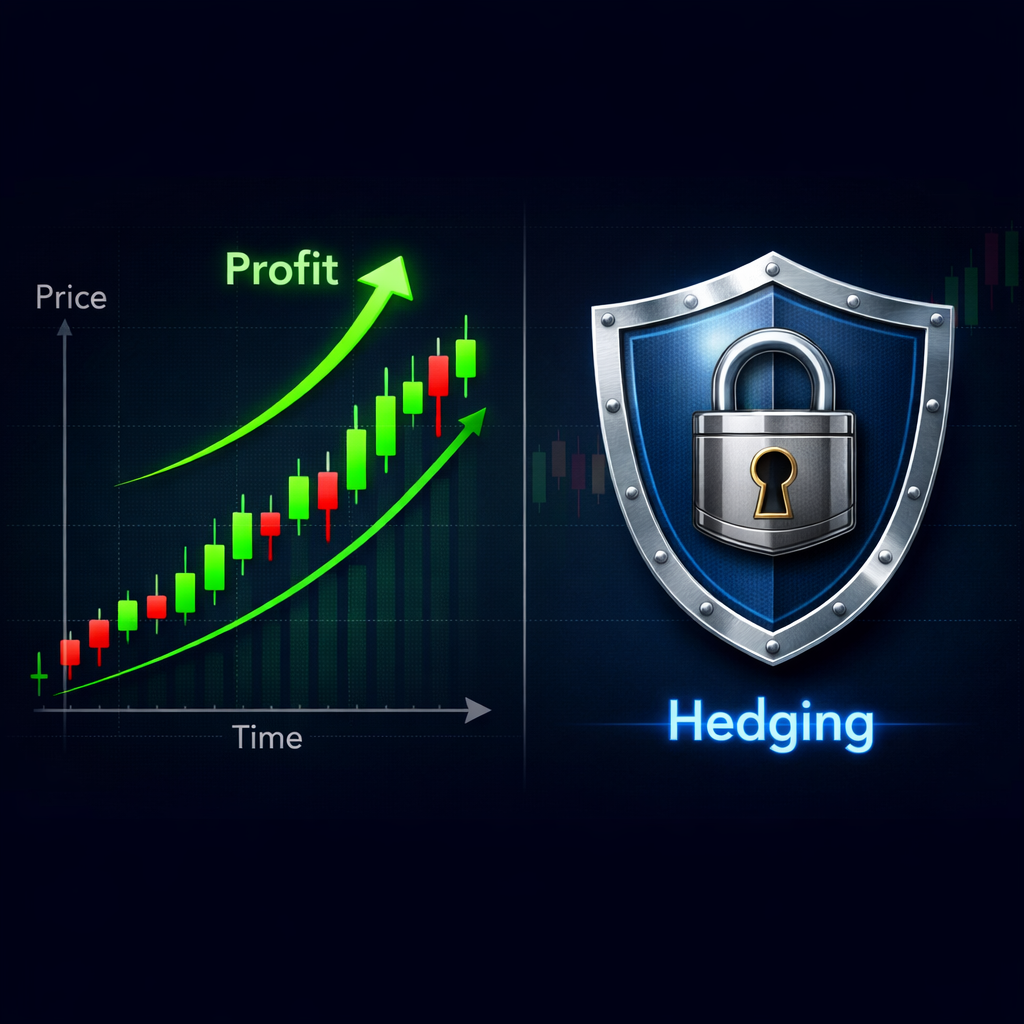
Traders pursue diverse profit goals impacting their strategies. Maximizing returns is a core objective achieved through skillful trades. Equally vital, hedging minimizes potential losses and promotes stability. Preserving capital—protecting investments—and arbitrage (exploiting price differences) also shape trading choices. Understanding these aims clarifies risk tolerance and trading style; detailed trade recording becomes essential for performance analysis.

Specifying Trade Parameters (e.g., asset, timeframe)

Before diving into any trade, it’s crucial to set clear boundaries—a vital step for later review. Let’s start by pinpointing exactly what you’re trading; maybe a particular stock or a currency pair like EUR/USD. Next, decide on the timeframe that best suits your strategy – short bursts with 15-minute charts, or longer holds using daily views? Accuracy matters! Well-defined parameters are essential for detailed trade recording and ultimately boost performance.

Documenting Assumptions and Research

Effective trade recording is key to leveling up your trading game. Think of it this way: before hitting that buy or sell button, jot down why you’re making the move. What market shift were you anticipating? Did volume give you a signal? Getting these assumptions on paper adds incredible context later.Don’t forget to quickly note the research backing your choices too! Maybe you spotted crucial support and resistance levels through technical analysis or considered recent earnings reports—anything that influenced your decision. Keep it brief; detailed notes are perfect for a dedicated trading journal. By recording both assumptions and supporting research, you create space for honest self-evaluation and improvement.Ready to take your trading to the next level? Start documenting your trades now!

Fundamental Analysis Insights (if applicable)

Fundamental analysis helps investors gauge a company’s genuine value. Examining financial ratios like the Price-to-Earnings (P/E) and Debt-to-Equity provides crucial insights into its financial health. A lower P/E could signal an undervalued opportunity, whereas high Debt-to-Equity might suggest increased risk. Considering these metrics alongside broader industry trends supports more informed investment decisions—a key element for effective trade recording.

Technical Analysis Signals & Patterns Observed
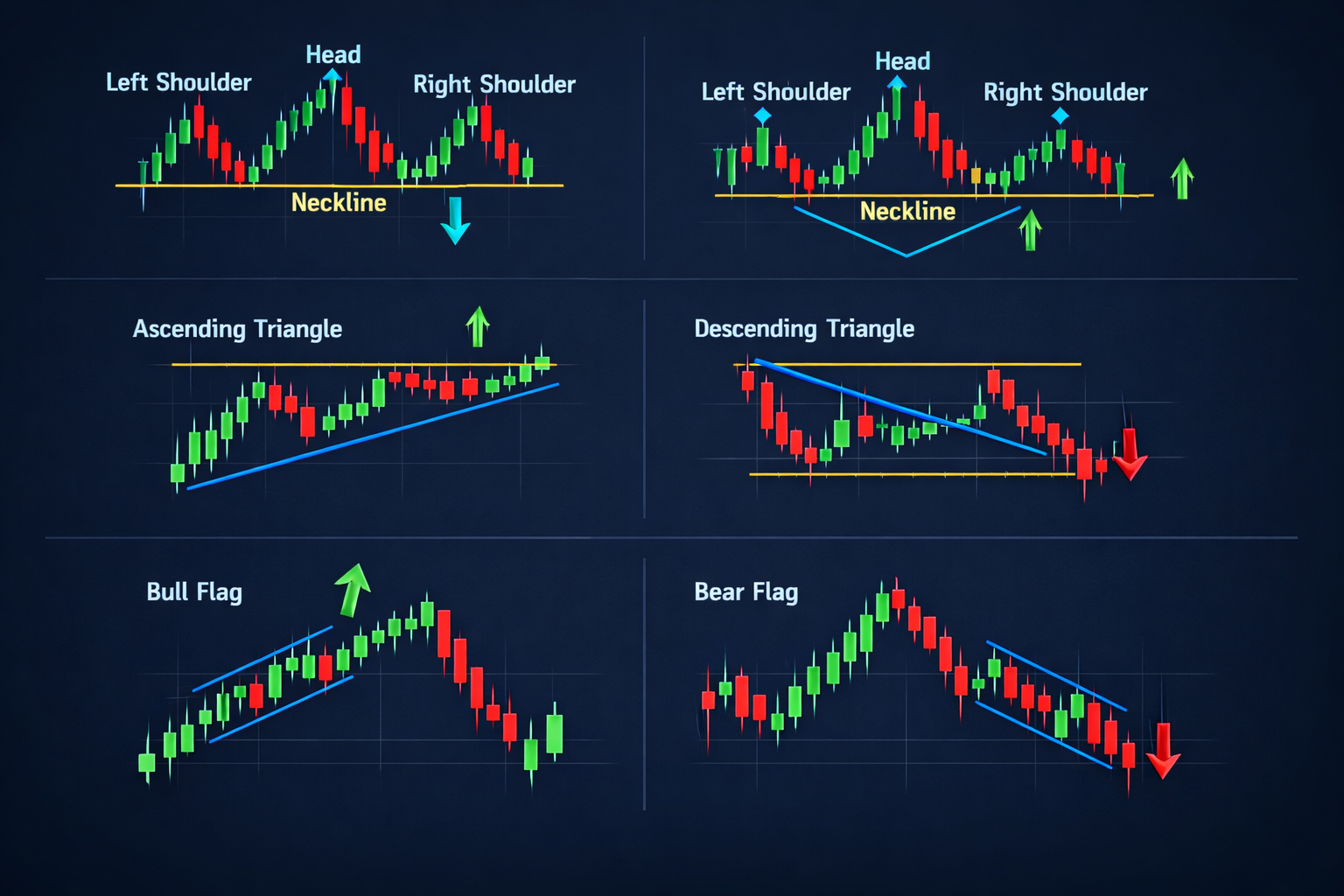
Technical analysis can be incredibly helpful for traders looking to make informed choices. Spotting price patterns is key, with support and resistance levels often hinting at potential reversals. Keep an eye out for triangles—they frequently suggest breakouts are coming! You might also notice “head and shoulders” formations that could signal a shift in the current trend.Though not guaranteed, these patterns offer valuable clues. Recognizing them allows for more objective analysis and better trade tracking too.

Risk Tolerance and Position Sizing Considerations

Understanding risk tolerance is essential for any trader aiming for success. Essentially, it’s about figuring out how much potential loss you can handle without undue stress. This directly impacts position sizing – the amount of money you allocate to each trade.Those with a lower risk appetite typically opt for smaller positions, keeping losses in check. Conversely, traders feeling more confident might use larger amounts, seeking bigger rewards, but facing potentially greater setbacks. Careful evaluation leads to responsible trading and protects your capital.

In-Trade: Capturing Execution Details

Accurate trade recording forms the bedrock of consistent progress in trading. It’s much more than just tracking profits or losses – detailed execution information provides invaluable insights to elevate your performance. Think about it: what precise prices did you use when entering and exiting trades? Recording timestamps is also key, letting you connect those trades with specific market events for crucial context.Documenting essential data—entry price, exit price, the exact time of the trade, what asset you were trading, and why you made that decision—builds a strong foundation for objective analysis. As you consistently record your activity, patterns in your behavior and overall effectiveness begin to emerge. For example, do certain strategies repeatedly produce positive results? Are there particular times of day when you tend to perform better?Ultimately, thoughtful trade recording enables data-driven adjustments that optimize your trading approach. It’s not solely about reviewing past successes or failures; it’s about pinpointing areas needing improvement and testing assumptions. Learn more about the benefits of journaling here.

Recording Order Placement Information

Accurate trade recording truly is essential; it’s like having a roadmap to understand your performance and pinpoint areas where you could do things differently. Detailed records allow businesses to track patterns, dig into the choices they’ve made, and ultimately refine their strategies for long-term success. This data unveils valuable insights—highlighting what works well and identifying spots needing adjustment.What should you document? Think date, time, asset traded, quantity, price, and even the type of order used (market, limit or stop). Adding a quick note about why you made that trade – maybe an indicator signal or recent news – can be really beneficial too. For more on best practices in record keeping, check out Investopedia.

Entry Price and Quantity

Beginner traders often struggle with entry price selection and position sizing. Identifying key levels—like support and resistance—can guide potential entries, while moving averages help confirm trends. When it comes to quantity, always prioritize your risk management plan; smaller positions are best for limiting losses.A helpful rule of thumb is to never risk more than 1-2% of your capital on any single trade. This approach encourages discipline and simplifies the trading process. Explore support and resistance in detail here.

Order Type (e.g., market, limit, stop)

Understanding order types is key to successful trading! A market order gets you filled quickly, at the prevailing best price—perfect when speed matters most. If you have a specific price in mind, consider a limit order, which only executes if that level’s reached. Stop orders are great for managing risk; they trigger market orders once a certain price is hit. Selecting the right type aligns with your overall trading strategy.

Timestamp of Order Submission

Accurate order submission timestamps are vital for comprehensive trade recording and insightful analysis. Knowing exactly when an order was placed allows us to effectively evaluate trading performance over time. This detail helps spot trends, test strategies, and better understand market behavior.However, inaccurate timestamps can lead to flawed conclusions and misguided decisions. Timing errors distort patterns and compromise data integrity, hindering objective assessment. Maintaining precise records is key for reliable results.

Tracking Trade Management Actions

Tracking trade management actions is key to consistently improving your trading results. Taking a look back at past decisions – both wins and losses – can reveal valuable insights into your trading habits. This objective review of the trade lifecycle spotlights strengths while also highlighting areas where you might need to make adjustments, things that are easy to miss without careful record-keeping.You don’t necessarily require sophisticated software; a straightforward notebook or document is perfectly adequate. Concentrate on noting down entry and exit points, explaining your reasoning for each trade, and how you handled risk. Regularly reviewing these records allows for strategy tweaks and better future choices. Consider exploring journaling techniques here for inspiration.Ultimately, effective trade management, achieved through consistent tracking, leads to more informed decisions and optimized trading performance. Start recording your trades today!

Modifications to Orders (e.g., price adjustments, quantity changes)

Need to tweak a recent stock order? Contact your broker quickly to request those changes! It’s essential to get confirmation of any alterations before they go through. Keep in mind that modifying orders can carry risks and might incur fees, influenced by market fluctuations and your brokerage’s rules. Careful consideration is key. Accurate trade recording is a helpful step for minimizing potential problems when dealing with order modifications.

Stop-Loss and Take-Profit Levels Set/Adjusted

Stop-loss and take-profit levels are essential for traders seeking risk management and profit protection. A stop-loss order automatically closes a trade if it reaches a predetermined loss limit, minimizing potential downsides. Conversely, a take-profit order secures gains by closing your position when the target price is achieved. Remember to adjust these levels as market conditions shift—volatility and trend strength both play a role in optimizing your trading strategy and overall performance.

Any Intervening Market Events or News

Recent market shifts have been quite noticeable. Strong consumer price index (CPI) figures unexpectedly pushed treasury yields upward, impacting how we value equities. Plus, earnings reports from major tech companies delivered a mixed bag; some exceeded expectations, others fell short. This inconsistency created volatility across various sectors. Ultimately, these developments demonstrably influenced observed trade recording patterns recently.

Post-Trade: Analyzing Performance & Identifying Learnings

Reviewing trades after they’ve closed is a vital, yet often missed, step toward becoming a successful trader. It goes beyond simply checking if you made a profit or loss; it’s about learning valuable lessons and refining your post-trade approach to boost future performance—think of it as an investment in yourself. Regular analysis can really make a difference.One powerful technique is journaling. Jot down the details of each trade: what signals led you to enter? What was the risk/reward ratio looking like? Don’t forget to note your emotions too! Were you feeling fearful or greedy during the trade, and how did that impact your decisions? Identifying these patterns—both good and bad—helps you minimize biases. For example, did you jump in too quickly on a losing position, or perhaps exit winning trades too soon?Consistent post-trade recording is key for objective analysis throughout the entire trading process. While metrics like the Sharpe ratio offer valuable data, focusing on why you made certain choices and how those decisions unfolded is equally important. Resources like this guide can provide helpful structures for journaling, helping transform experience into actionable insights.

Recording Outcome Metrics

Accurate trade recording is essential for evaluating and improving your trading strategy. Initially, focus on simple, consistent data entry – complex calculations can follow later! Tracking key metrics gives you a clear picture of your results and how far you’ve come.Begin by noting the basic profit or loss from each trade. Then, expand to include risk factors like position size and stop-loss levels, alongside session duration. Consistent recording reveals valuable patterns over time and highlights areas where you could improve. A dedicated trading journal, perhaps one found here, can simplify this process greatly. Ultimately, reliable analysis depends on accurate data, so prioritize diligent record keeping.

Actual Entry and Exit Prices

Slippage can affect the real cost of trades, sometimes differing from initial quotes. It arises when a transaction happens at a slightly different price than expected—particularly common during market volatility or with large orders. Imagine trying to buy at $50; you might end up paying $50.05 because prices fluctuate quickly. Trade recording accurately captures these actual execution prices, allowing for performance analysis and better understanding of trading results.

Trade Duration

The timeframe of a trade significantly impacts investment strategy. Quick profits are the goal for day traders, who hold positions just minutes to hours. Swing trading explores trends lasting days or weeks, while long-term investing focuses on months or years – building wealth through sustained growth. Trade recording becomes much easier when you align your approach with these different timeframes and understand your own risk tolerance and market expectations.

Profit/Loss Realized (Gross and Net)

Understanding profit/loss is essential for any trader aiming for success! Gross profit offers an initial look—it’s revenue minus direct costs, such as the price you paid for an asset. But don’t stop there; net profit gives a fuller view by factoring in all expenses. Think about it: that $100 gross profit could shrink to $95 after a $5 commission. Tracking fees carefully helps accurately gauge your trading performance and refine strategies.

Commission and Fees Paid

Understanding brokerage commission structures, along with other associated fees, is vital for traders aiming for success. Many platforms implement a per-trade commission—often a small percentage of each transaction. Consider this: a $10 fee on a $500 stock buy represents a 2% cost. Don’t forget potential inactivity fees that might affect unused accounts. Carefully reviewing your brokerage’s complete fee schedule is essential, as these costs impact profitability and influence trading decisions.

Evaluating Decision-Making Process

Evaluating your trading decisions is a key step toward consistent improvement. To begin, take the time to document your pre-trade thoughts: what prompted you to enter a specific trade, your comfort level with risk, and your profit targets. Strive for objectivity; avoid attributing success to luck or failures to gut feelings.Really dig into whether your initial assessment aligned with how the market actually behaved. Did you accurately identify key support and resistance levels? Were your stop-loss orders effective at safeguarding your capital? Trade recording offers a fantastic opportunity to review charts and pinpoint where things went off course. This reflective process illuminates recurring errors, allowing you to refine your strategy and ultimately make smarter choices going forward.

Was the Initial Intent Met?

The initial trading strategy demonstrated potential, although we didn’t quite hit our profit targets – falling short by roughly 8%. Thankfully, risk management proved effective; drawdowns remained within acceptable limits. Unforeseen market volatility did impact planned entry and exit points. Fortunately, detailed trade recording enabled comprehensive post-trade analysis, pinpointing areas for refinement. Future versions will require adjustments to navigate unpredictable conditions and optimize overall performance.

Did Assumptions Hold True?

We initially thought increased volatility would heavily impact short-term gains in our trade recording system. Our prediction was a 5% decrease within just two weeks. Surprisingly though, we only saw a slight 1% dip—quite unexpected! This difference probably stems from the market proving more stable than anticipated and investors maintaining strong confidence. Though the trade resulted in a small profit, it highlights how vital continuous assumption reassessment is for better decisions and monitoring.

How Did Market Events Impact the Trade?

Recent trade recording activity involving TechCorp stock demonstrated the impact of market volatility. Initially, unexpected inflation triggered a widespread sell-off, even with solid earnings reports. We chose to hold our position during that dip, recognizing potential. Thankfully, positive economic news soon followed, leading to a rebound. This allowed us to exit with a small profit. Detailed trade records are crucial for analyzing performance and refining future strategies—understanding market reactions is vital.

Review of Risk Management Effectiveness

Assessing risk management effectiveness goes beyond theory; it’s about reviewing tangible outcomes. Did those mitigation plans truly lessen potential losses? It’s important to see if stress tests accurately foresaw weaknesses, particularly during periods of market instability. Detailed record-keeping for trades is key—it provides the data needed for a thorough and objective analysis across the entire trading process. We consistently review past events, looking for opportunities to refine our strategies and strengthen resilience through proactive changes.

Identifying Areas for Improvement

New traders often stumble when trying to achieve consistent profits, typically due to mistakes that are surprisingly easy to avoid. A common pitfall is neglecting proper risk management – for instance, skipping stop-loss orders or overextending yourself with a single trade. Trade recording offers an invaluable opportunity for honest self-evaluation.

Think about why you’re making your trades; are they rooted in sound technical or fundamental analysis, or influenced by emotions? Begin meticulously documenting each trade: when you entered and exited, the logic behind it all, and ultimately, the outcome. Regularly reviewing these records can reveal recurring patterns leading to losses. Refining risk management—perhaps smaller position sizes—can shield you from significant setbacks. Before using real money, practice with a demo account and explore available learning resources.

Improve your trading game! Start detailed trade recording now – it’s the first step towards greater success. Start Your Trade Journal Now

Potential Biases Influencing Decisions

Cognitive biases can quietly steer our trading decisions. Consider confirmation bias – it encourages us to seek out information that aligns with what we already believe, possibly missing crucial market signals. Anchoring bias is another common trap; initial prices tend to heavily influence subsequent judgments. The availability heuristic also plays a role, causing us to overestimate the importance of frequently recalled events. Keeping detailed trade records can help spot these biases and improve your overall objectivity.

Alternative Strategies to Consider

Exploring different trading strategies can really enhance how you invest! If you’re just starting out, dollar-cost averaging, where you consistently invest a set amount, offers a nice way to handle market ups and downs. Swing trading is another option – it’s all about catching short-term price shifts using technical analysis. Thinking long-term? Position trading looks for those bigger, sustained trends. Remember, keeping good records of your trades helps you learn and improve!

Understanding Your Trading Learning Journey

Embarking on a successful trading journey requires more than just understanding market dynamics; it demands consistent self-assessment and adaptation. Many traders begin with basic foundational concepts but often overlook the critical role of diligent record keeping. A well-maintained trading journal isn’t just about documenting trades; it’s a powerful tool for behavioral analysis and performance analysis, allowing you to identify patterns in your decision-making process.
  • Consistent journaling fosters self-awareness.
  • Performance analysis reveals strengths and weaknesses.

The Importance of Trade Record Keeping

Before, during, and after each trade, thoughtful documentation is essential. A comprehensive approach to trade record keeping goes beyond simply noting entry and exit prices; it includes your reasoning behind the trade, market conditions observed, emotional state at the time, and any deviations from your trading plan. This detailed information provides invaluable insights for future decision-making.

  • Documenting pre-trade rationale clarifies intentions.
  • Post-trade analysis identifies areas for improvement.

Integrating Technical Analysis with Journaling

Trade recording and technical analysis are often intertwined. By meticulously documenting chart patterns observed before a trade, you can later analyze whether your interpretations were accurate and how they influenced your outcomes. This iterative process refines your technical skills and improves the reliability of your trading signals.
  • Record chart patterns and indicators used.
  • Analyze the accuracy of pattern identification.

Leveraging a Trading Journal for Continuous Improvement

Ultimately, the goal of trade recording is continuous improvement. The Flows platform’s Trading Journal offers a structured environment for tracking progress and identifying recurring themes in your trading behavior. Regularly reviewing your journal entries allows you to refine your strategies, manage emotions effectively, and ultimately enhance your overall trading performance.

Ready to start trading?

Join thousands of traders using our platform.