
Launch Web Trader
Close

How a Trading Journal Improves Your Professional Process

How a Trading Journal Improves Your Professional Process

Table of Contents

What is a Trading Journal and Why Should You Keep One?

A trading journal is far more than just tracking wins and losses; it’s a detailed record of everything you do while trading. Imagine it as a personal logbook for your journey – documenting the date, what asset you traded, where you entered and exited a position, why you made those decisions, and even how you were feeling at the time! For beginner traders, this practice can be incredibly valuable in developing profitable habits and really understanding your strengths and weaknesses within the market. It’s a wonderful step toward continuous improvement and becoming a more skilled trader overall.Why should beginners embrace keeping a trading journal? Well, for starters, it builds self-awareness. By carefully recording your thought processes, you can spot recurring patterns – both good and bad – and gain valuable insights into how you trade. It also helps pinpoint any biases that might be unconsciously influencing your decisions; being aware of these allows you to tackle them head-on! Plus, regularly reviewing your journal lets you backtest different strategies and refine your risk management techniques, ultimately boosting your confidence. You can learn more about the benefits at Investopedia, and explore additional resources with Flows Trading Academy. It’s a rewarding investment in your future trading success – truly!

Defining a Trading Journal: Your Record of Progress

A trading journal is a fantastic tool – essentially, it’s your detailed record of all the trades you make, like a personal logbook for your financial journey. And it’s not just something experienced traders use; everyone involved in the markets, no matter their skill level, can really benefit from keeping one. The main idea is to document each trade carefully, providing insights into how you perform and why you make certain decisions. This ongoing self-assessment helps pave the way toward consistent improvement – a truly rewarding experience!

What goes into a trading journal? Usually, it includes details like the date and time of your trades, what asset you were trading (think stock tickers or currency pairs), where you entered and exited positions, and most importantly, why you made those decisions. Don’t underestimate how crucial it is to note your emotional state at the time too! Over time, analyzing this information can reveal some surprising patterns in your behavior, highlight biases you might not even realize you have, and ultimately lead to more informed and profitable trading strategies. It’s a really effective way to learn from both wins and losses! If you’re looking for ways to get started, consider checking out helpful resources like Trading Journal Academy or exploring BabyPips’ guide – they’re great places to begin your journey toward better trading habits.

The Importance of Rationale & Emotional Tracking

A trading journal is an incredibly valuable tool, especially if you’re just starting out in the world of trading. It’s something I really encourage anyone serious about improving their performance to utilize! The key isn’t just recording what trades you made – your entry and exit points, the asset involved – but also diving into the ‘why’ behind those decisions. What was your thought process at the time?That’s where it gets truly powerful. By documenting your reasoning, you create a record that allows you to revisit and analyze your strategies later on. But here’s something often overlooked: tracking your emotions is just as crucial! Feelings like fear, greed, or even getting too hopeful can really derail your judgment. Keeping tabs on those emotional states helps build self-awareness – and ultimately leads to more consistent, better decisions in the long run.So how do you get started? It’s simple! Just take a few moments after each trade to jot down some key details. What did you trade? When did you enter and exit? What strategy were you aiming for, and why did you make those specific choices? And don’t forget to note how you felt – were you anxious, confident, or perhaps even frustrated? A basic spreadsheet or a simple notebook works perfectly well. There are plenty of great resources out there too; check this one out for some additional tips on building effective journaling habits Trading Psychology and Journals.

Benefits of Keeping a Detailed Trading Journal

Keeping a detailed trading journal is an incredibly valuable practice, especially for those just starting out and wanting to improve their skills. It’s more than simply recording your trades; it’s about building a complete record of every decision you make in the market and, crucially, why you made them. A good journal captures essential details like the date, time, what you traded, where you entered and exited positions, and the strategy guiding those actions. But the real magic lies in reflecting on how you were feeling – that self-awareness is key to better trading habits.The benefits extend far beyond just tracking your wins and losses. Regularly reviewing your journal helps you identify patterns—both what works well and where things go wrong. Perhaps you tend to make rushed decisions when the pressure’s on? Or maybe certain strategies perform best in specific market conditions? Journaling uncovers those biases and emotional influences that can derail your plan, empowering you to develop more disciplined decision-making. It also simplifies backtesting, refines risk management, and contributes to more consistent trading results [https://flows.trading/academy/articles/benefits-of-keeping-a-trading-journal/]. Truly, consistent journaling transforms trading from a guessing game into a data-driven pursuit.

Enhanced Self-Awareness Through Reflection

Cultivating enhanced self-awareness is surprisingly crucial for successful trading, though it’s an area many overlook. It’s common for traders to get caught up in technical analysis or market indicators, without fully recognizing how much their own emotions and biases are shaping their choices. Journaling and mindful reflection provide powerful tools to tackle this – consider them like checking your car’s oil; regular maintenance can prevent bigger issues later on.A trading journal isn’t simply a record of your trades; it’s an account of your thought process, how you were feeling, and why you made each decision. By consistently documenting these factors alongside the technical details – like entry and exit points or what assets you traded – you can begin to identify patterns. This allows you to recognize recurring biases, pinpoint triggers that lead to impulsive actions, or acknowledge times when fear or greed took over.To get started, aim for short entries—even just five minutes after a trade can offer surprising insights. Be honest with yourself; your journal is a private space where you can freely evaluate your performance. Don’t just note what happened; explore why it happened. Did you deviate from your strategy? What emotions were at play? Regularly reviewing past entries will help identify repeating themes or behaviors. Experiment with different methods – pen and paper, spreadsheets, or even trading software – to discover what best suits you. This ongoing self-reflection can ultimately lead to better emotional control and more rational, data-driven decisions.

Identifying Recurring Patterns in Your Trades
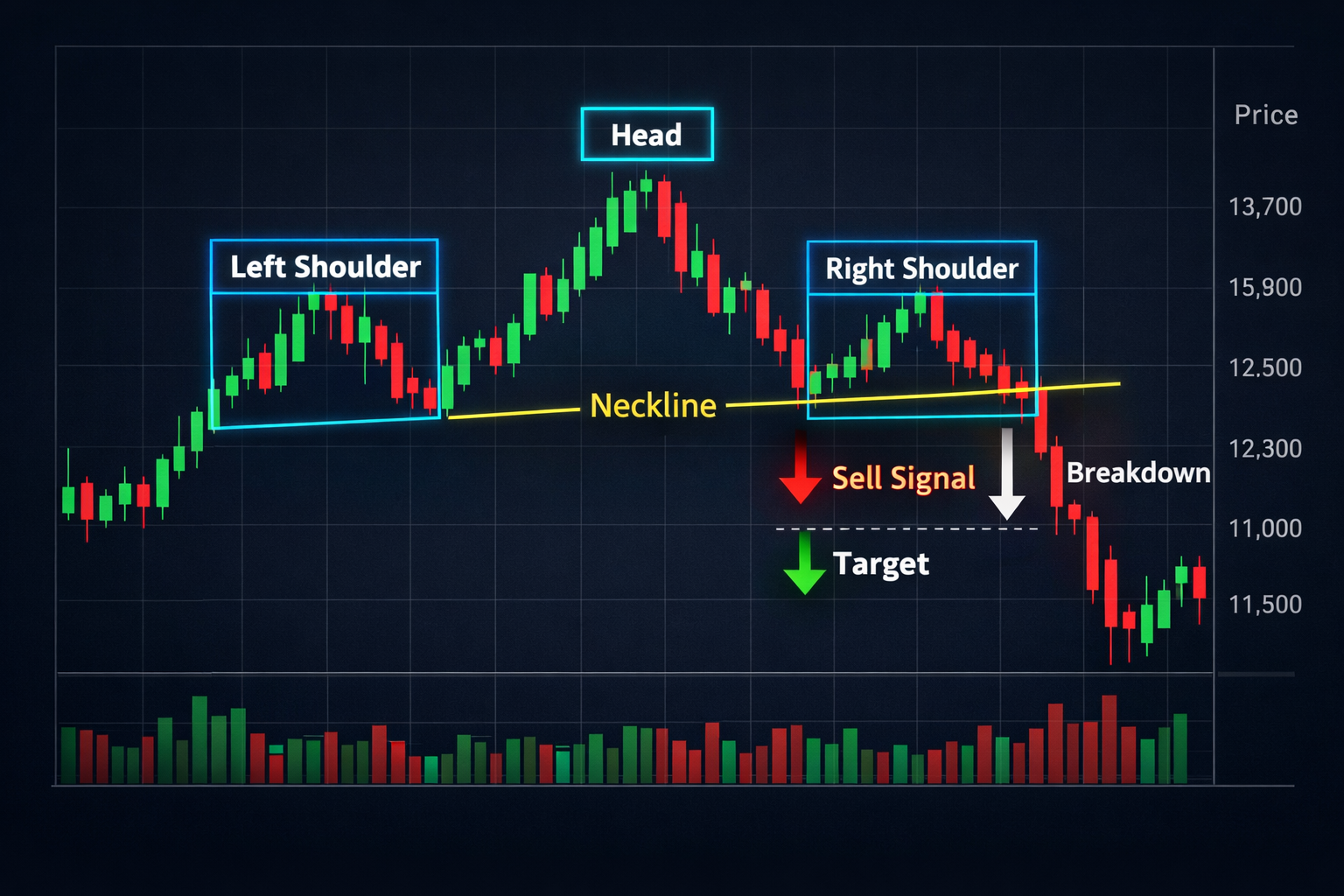
Finding recurring patterns in your trades is key to continuous growth, regardless of your experience level. While many traders focus solely on predicting market shifts, true consistency often comes from understanding how you react and identifying predictable behavioral trends. That’s where a trading journal proves invaluable! Carefully documenting each trade – entry and exit points, your thought process, even how you felt beforehand – allows for objective analysis down the road.– Recognize Emotional Triggers: Do you tend to chase losses or become overly cautious after wins? Identifying these emotional responses is crucial for improvement. – Identify Strategy Effectiveness: Certain setups might consistently deliver positive results, while others could be draining your account. A journal highlights those differences and points out areas where adjustments are needed. – Spot Pattern Biases: Perhaps you instinctively enter long positions during certain news events, regardless of the fundamentals? Awareness allows for necessary tweaks to your approach.Regularly reviewing your trading history through a detailed journal helps you move beyond reactive trading and proactively shape your decisions based on observed patterns – leading to more consistent profitability.

Recognizing the Impact of Emotions on Decision Making

For beginner traders, emotions often stand as a considerable hurdle when aiming for market success. Sure, trading relies on analysis and strategy, but it’s easy to find feelings like fear and greed dictating your actions. Perhaps fear prompts an early exit from trades that could have been profitable, or causes you to miss out on opportunities entirely. Conversely, chasing unrealistic gains through over-leveraging – often ending in losses – can be fueled by greed. These responses aren’t logical; they’re instinctive reactions that bypass the rational thinking crucial for good decisions.Consider it like driving a car: would you react impulsively to every bump? Trading demands similar composure and calculated judgment.“Fear of missing out” (FOMO) is a familiar example – tempting traders into hot stocks without research, only to see them plummet. Similarly, stubbornly holding onto losing trades in the hope of a rebound, driven by denial, can be another trap. To combat these challenges, developing strategies for recognizing and managing emotions is key. This might involve setting stop-loss orders—an automatic exit point—and sticking to pre-defined trading plans. Consistent self-reflection on your trades also helps you spot patterns in how feelings influence decisions, enabling you to learn from experience.

Spotting and Correcting Biases

Identifying and correcting biases is essential for consistent trading success. It’s surprising how many traders unknowingly fall prey to cognitive biases, which can significantly impact their decision-making. Two prevalent examples are confirmation bias – actively seeking information that supports existing beliefs while dismissing evidence that contradicts them – and anchoring bias, where an initial piece of information unduly influences subsequent judgments. Think about a trader stubbornly holding onto a losing position simply because they initially believed it would be profitable; that’s anchoring in action. Or perhaps only consuming news that reinforces a bullish perspective—that’s confirmation bias at play. It’s similar to sticking with a recipe, even when the dish turns out poorly, just because it was the first version you attempted!To combat these biases and enhance your trading performance, consider incorporating proactive strategies. Keeping a detailed trading journal is a great start – objectively record why you made each trade, paying attention to any emotional influences that might have been at play. Regularly reviewing past decisions can reveal patterns of bias, effectively helping you spot where your thinking might have steered off course. Equally important, actively seek out opposing viewpoints and challenge your own assumptions; don’t just focus on reasons why you believe you’re correct! Utilizing checklists or pre-defined criteria before entering trades can also help reduce impulsive reactions rooted in biased thinking, offering a more structured approach. Ultimately, remember that objective analysis is paramount – strive for detachment from the outcome when evaluating your performance and prioritize facts over feelings.

Backtesting Strategies for Improved Accuracy

Backtesting plays a crucial role for aspiring traders who want to rigorously assess and improve their trading strategies. It’s essentially like giving your strategy a practice run using historical market data, letting you see how it would have performed in the past before you risk actual capital. There are several approaches – from straightforward historical data testing (simulating trades based on previous prices) to more advanced techniques like walk-forward optimization, where you continuously test and fine-tune your strategy’s settings using rolling datasets. A simple example might be evaluating a moving average crossover strategy across years of stock price history.It’s worth noting the potential pitfall of overfitting, though. This occurs when a strategy appears impressive on historical data but struggles in live markets because it’s been overly customized to specific past events. To combat this, consider out-of-sample testing (applying your strategy to data not used for initial optimization) and cross-validation techniques. A solid understanding of these principles is essential for developing reliable trading strategies. If you’d like to delve deeper into backtesting best practices, a helpful resource can be found on Investopedia’s Backtesting Definition.

Risk Management Improvements Through Analysis

Analyzing past trades is absolutely vital for effective risk management. A well-maintained trading journal, where you carefully document each trade—including entry and exit points, the logic behind your decisions, and even how you were feeling at the time—offers a wealth of data that can significantly improve your performance. Regularly reviewing these records allows traders to spot recurring errors or biases that often lead to losses. For instance, consistently entering trades driven by FOMO might highlight the need for more disciplined entry strategies; recognizing such tendencies enables proactive adjustments to your trading plans and risk parameters before they negatively impact future outcomes.Even a basic analysis can uncover opportunities for improvement. Consider this: you frequently lose money on short positions when specific market conditions arise. A review of your journal may reveal this pattern, allowing you to incorporate rules to avoid shorting in those circumstances or develop strategies specifically designed for that environment. For more information and broader insights into the topic, Investopedia’s guide to risk management provides a valuable resource.So, start keeping a detailed trading journal now—it’s an essential step toward consistent profitability and minimizing risk management concerns. Take charge of your trading journey by learning from what’s happened before!

Different Journaling Methods: Finding What Works For You

A trading journal can be an incredibly useful tool if you’re serious about improving your performance in the market and achieving consistent results. Consider it a detailed record of everything you do while trading—the trades themselves, why you made them, and ultimately, how they turned out. The beauty of journaling is that there’s no single right way to do it; it’s really about finding what works best for you. Don’t be afraid to try different things!Getting started doesn’t have to feel overwhelming. There are plenty of simple ways to begin: Try free writing – just jot down your thoughts and observations as they occur, without worrying too much about structure or organization. Bullet points can work well for quickly capturing essential details like entry and exit prices, the size of your trade, and those important decisions you made along the way. Spreadsheets are great for analyzing trends over time – especially when tracking specific metrics. Organizing data into rows and columns can be really helpful that way. Investopedia offers a good introduction to setting up this kind of system. Structured templates are another option; many traders create their own to ensure they consistently record specific information, such as how they were feeling or what the overall market conditions were like at that particular time.The most important things to keep in mind are honesty and regular review – those are crucial for unlocking valuable insights from your trading journal and improving your approach over time.

Paper & Pen – The Traditional Approach

It’s easy to get caught up in today’s digital tools for trading, but sometimes revisiting the basics can offer surprising benefits. Paper and pen provide an effective – and often overlooked – method for note-taking and analysis. The simplicity is appealing; no charging needed, no software glitches, just a ready page for your thoughts! This tactile experience fosters a different kind of engagement with the market.Physically writing down observations about price action, potential trade setups, or even emotional responses creates a stronger memory link than typing on a screen – it’s like building a bridge between what you see and how you remember it. Plus, it encourages a more deliberate approach to analysis, minimizing those pesky distractions from notifications and other online activity.Here are some reasons why paper might be worth trying: Reduced Distractions: Without digital interruptions, it’s easier to concentrate fully. Enhanced Memory Retention: Studies show handwriting notes can improve recall compared to typing. Tangible Record: A physical journal provides a valuable record of your trading journey, helpful for spotting patterns over time. Creative Exploration: Paper lets you sketch and visualize ideas freely, sometimes more than digital tools allow.Ultimately, the best choice is personal, but dismissing paper and pen as outdated would be a mistake. For many traders, it offers a valuable complement to their digital toolkit, fostering focus, clarity, and a deeper connection with their trading process.

Pros: Simple, No Tech Required, Tangible Record

Paper trading presents a fantastic opportunity, especially for those dipping their toes into the world of investing! It’s surprisingly simple; you don’t need fancy technology or complicated software to get going. In fact, many people start with just a notebook and pen – incredibly accessible, right? Jotting down details like the asset traded, your entry and exit prices, and most importantly why you made those choices creates a helpful record for later review.Here’s what makes paper trading such an attractive option: It’s easy to use; minimal setup required! A tangible record of trades is naturally created, perfect for tracking your progress. Truly accessible – no expensive software or equipment needed. Just pen and paper will do! Simple analysis allows you to easily identify areas where you can refine your approach.Ultimately, paper trading offers a superb chance to grasp the basics of investing without risking any actual funds.

Cons: Time-Consuming, Difficult to Analyze Data

Technical analysis is popular among traders, but it isn’t without its downsides—especially for newcomers to the market. A big one? It can be incredibly time-consuming! Charting prices, identifying patterns, and using indicators all require real dedication. That’s a challenge for anyone with a full-time job or limited free hours. Beyond that, relying solely on technical analysis means missing out on fundamental factors like crucial economic news and a company’s financial health—things that can significantly impact asset prices and throw those signals off.Interpreting the data isn’t always straightforward either. Pattern recognition is often subjective; what looks like a bullish sign to one person might appear differently to another. Backtesting strategies based on technical indicators frequently yields inconsistent results, so remember past performance doesn’t predict future outcomes. Beginners can easily get bogged down in these complexities, potentially leading to misunderstandings and poor decisions. A broader understanding of market dynamics alongside technical analysis is truly helpful.

Spreadsheets (Excel/Google Sheets) - A Flexible Option

Spreadsheets like Microsoft Excel and Google Sheets offer a surprisingly flexible way to get started tracking your trades and managing the finances involved in trading. The beauty of it is, you don’t need any fancy or costly software – both are readily available; Excel often comes pre-installed on computers, while Google Sheets can be accessed through any web browser with just a free account. Essentially, these tools provide a simple yet powerful function: systematically recording the details of each trade. Think about it – date of the trade, the asset (like a stock ticker), how many shares or contracts you bought or sold, your entry price, and your exit price. Even adding a column to jot down why you made the trade can be incredibly useful for reviewing your decisions later on.Tracking trades in a spreadsheet makes calculating profits and losses straightforward, plus it helps you spot patterns in your trading behavior. You can use built-in functions like SUM and AVERAGE to quickly assess how you’re performing over different periods of time. And because spreadsheets are so customizable, you can tailor them to fit your specific needs – maybe adding a column to note how you were feeling emotionally during the trade or any potential risk factors that influenced your decision. Both Excel and Google Sheets provide a solid foundation for building a powerful trading journal without unnecessary complexity—a great starting point for anyone looking to improve their financial tracking.

Pros: Customizable, Relatively Easy Analysis

Technical analysis offers some real advantages, particularly for those new to trading. One of the best things about it is its adaptability—you can fine-tune strategies to align with your risk tolerance and investment goals. It’s similar to adjusting settings on an app you use regularly; you can personalize indicators and chart patterns to suit your preferences and reflect current market conditions.Plus, it’s remarkably accessible. While advanced techniques exist, getting started with the basics—like using moving averages or trendlines—is straightforward and easy to understand. This means you can make informed decisions without feeling bogged down by complex data – a practical way to enhance your trading performance.

Cons: Can Be Cumbersome for Large Volumes of Trades

Algorithmic trading brings remarkable efficiency to the markets, but handling extremely large trade volumes can present some challenges. While automated systems are built for speed, they sometimes find it difficult to process substantial order sizes quickly enough – think about trying to pour a whole bucket of water through a small funnel! This can lead to slippage, where you end up getting a less favorable price than anticipated, or missed opportunities, particularly when market liquidity is low.To overcome these hurdles, traders often employ strategies like breaking large orders into smaller chunks or using smart routing. These techniques distribute orders across various exchanges to ensure efficient execution. Order splitting, alongside other sophisticated features, helps manage volume effectively; however, it does introduce a bit more complexity to the overall algorithmic trading system.

Trading Journal Software – Streamlined and Automated

For those just starting out in trading, keeping track of every single trade might seem daunting – a bit like trying to follow every move in an intricate dance! But thankfully, trading journal software offers a much simpler way to handle this vital process. Forget about manually writing everything down on paper or wrestling with spreadsheets; these programs automatically record important details such as entry and exit prices, the dates of your trades, what assets you were trading, and even how you were feeling at the time. This automation saves a ton of time and minimizes errors, freeing you up to concentrate on analyzing your performance instead of getting bogged down in paperwork.

The real magic of trading journal software comes from its ability to reveal patterns and highlight areas where you can improve. By tracking your trades systematically, it becomes easy to see which strategies are delivering results and which ones aren’t – think of it as having a personal coach pointing out both what you’re doing well and where you could be better. You might even discover recurring mistakes or biases that are holding you back. Regularly reviewing your journal entries provides incredibly valuable insights into your trading psychology, enabling you to fine-tune your approach over time. Consistent journaling truly is a key ingredient for successful trading, and software makes it far more manageable—and ultimately, much more helpful! Ready to start boosting your trading? Check out our recommended trading journal software today.
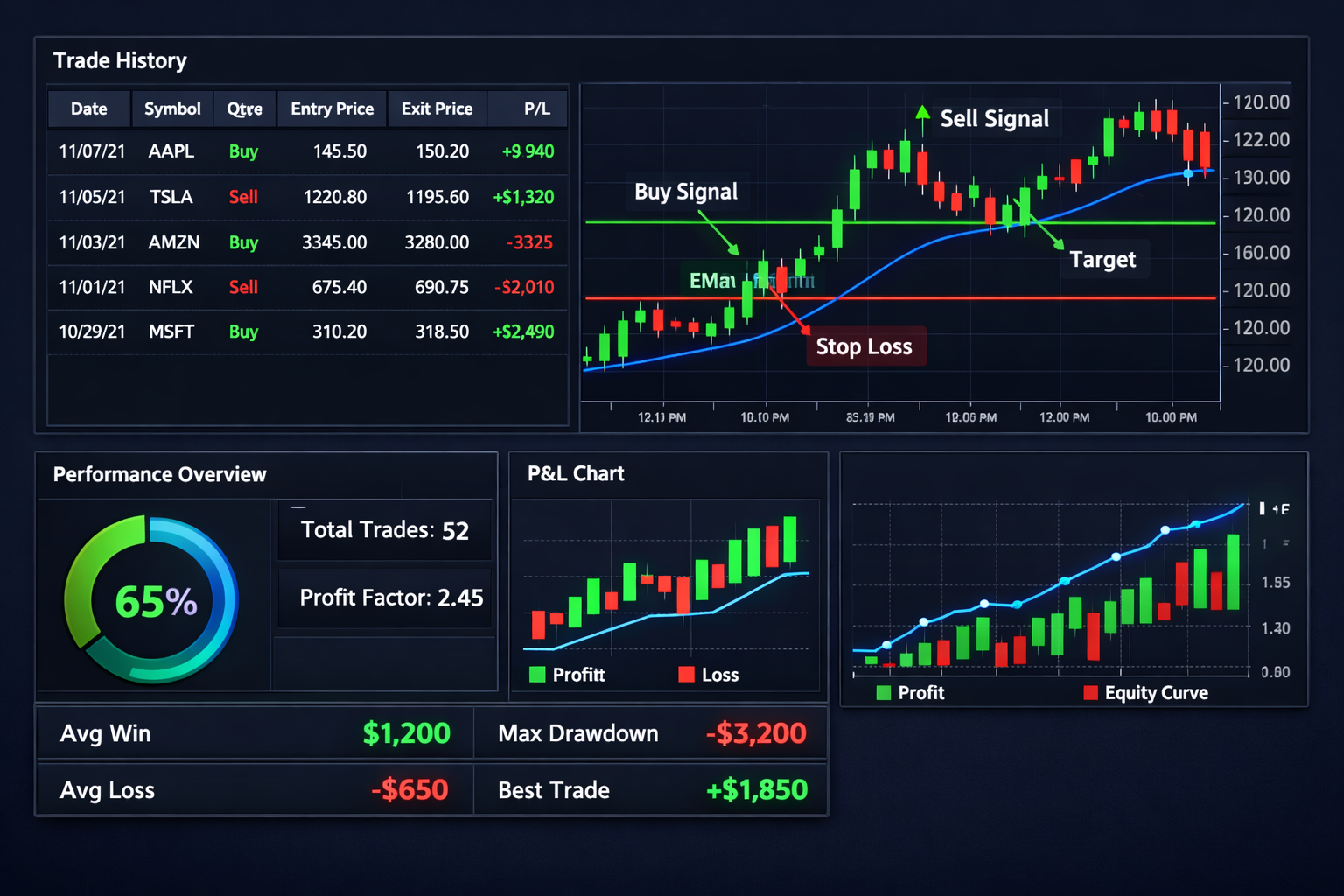
Pros: Built-in Analytics, Integration with Brokers

One really great thing about this trading platform is its built-in analytics – it’s a huge advantage! Forget struggling with complicated software; these tools give you clear, easy-to-understand insights into your trades. You’ll find data visualizations showing things like your win/loss ratio, how long your trades typically last, and even profitability broken down by asset class. It’s all presented in a way that’s really simple for beginner traders to get the hang of.Plus, connecting with major brokers is super smooth. The platform integrates seamlessly, automatically importing your trade data from your brokerage account. This saves valuable time and gives you a complete performance overview—no more manual entry errors! It simplifies tracking so you can focus on making smart decisions instead of wrestling with spreadsheets; it’s a real benefit when using this trading platform.

Cons: Cost, Potential Learning Curve

Our trading tool delivers fantastic advantages, but let’s be realistic about potential downsides, particularly for those just starting out. One thing to consider is the cost—subscription fees can range from $15 to $50 monthly, depending on which features you need. Make sure to include this recurring expense when planning your budget and estimating profitability.While we’ve focused on making our platform easy to use, truly getting a handle on all its capabilities takes time and dedication. We offer plenty of tutorials and support materials to help along the way. Think of it like learning anything new—consistent practice is key! It’s not overly complicated, but allow yourself some adjustment time as you explore what it can do and discover your best trading strategies. Cost: Monthly subscription fees depend on the level of feature access required. Learning Curve: While intuitive, mastering advanced functionality requires study.

Practical Tips for Effective Journaling

A trading journal can be a surprisingly impactful tool for traders who are serious about consistently improving their results. It’s something that’s easy to skip, but diligently keeping track of your trades can bring to light patterns in your behavior and decision-making processes that might otherwise remain unnoticed. The point isn’t to write extensive explanations; instead, focus on capturing the important details of each trade—the asset you were trading, exactly when you entered and exited, why you made those choices, and how you felt throughout the whole experience. While being objective is always a good goal, acknowledging your emotions is just as crucial for identifying potential biases that could be affecting your decisions.To really maximize the benefits of journaling, here are some helpful tips to remember. First, be precise about your reasoning – steer clear of vague statements like “it felt right.” Instead, clearly explain the technical indicators or fundamental analysis that led you to make a specific decision. Second, honestly record both successful and unsuccessful trades; don’t shy away from analyzing where things went wrong. And finally, regularly review what you’ve written (a weekly check-in is a good starting point) to identify recurring trends and areas where you can refine your strategy. Consistency is really the key here—even brief, regular entries are more valuable than infrequent, long ones. You can find additional resources on this topic to help you build and maintain this powerful habit.

Be Specific and Detailed in Your Entries
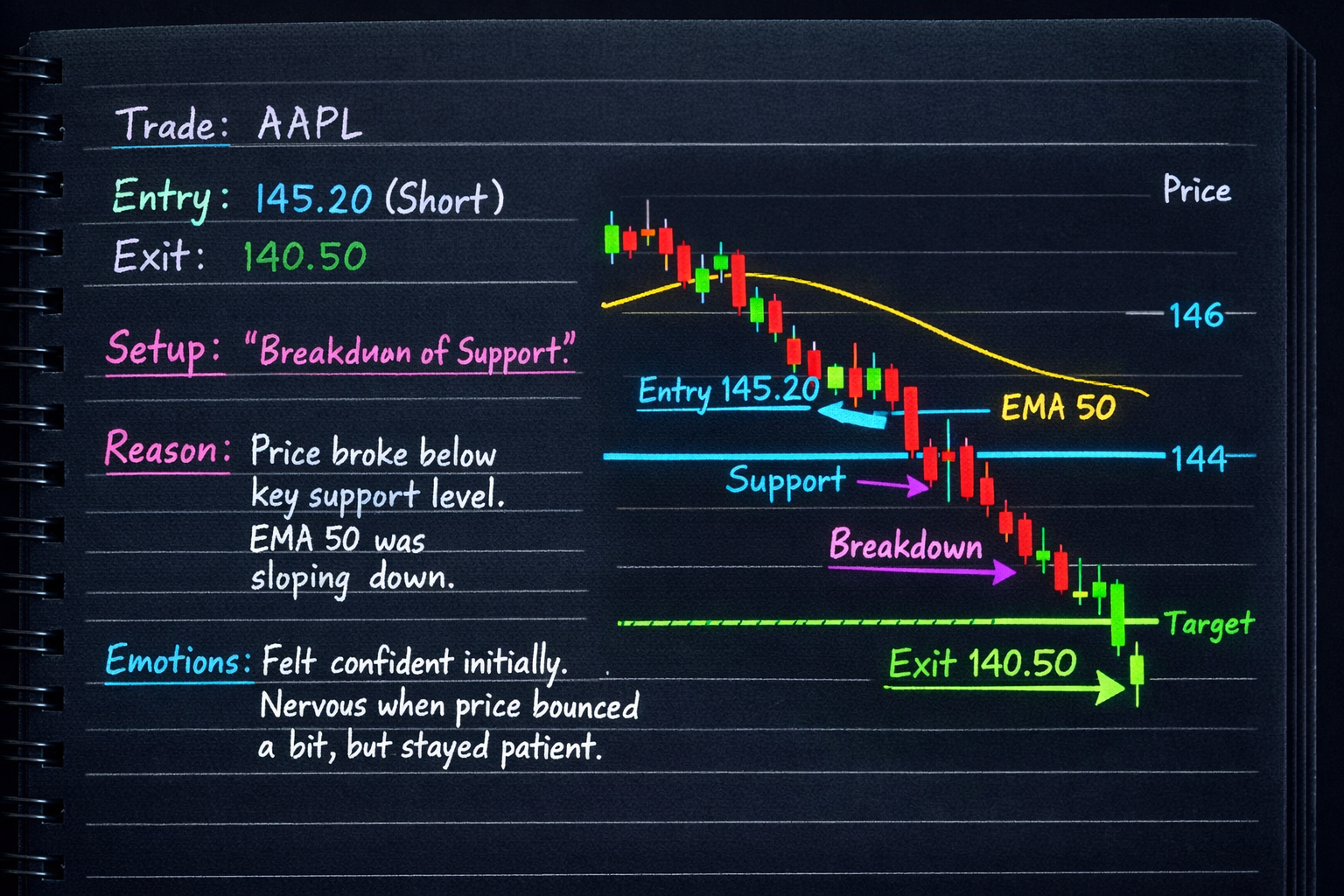
Accurate record-keeping is absolutely essential for improving your trading journal performance, and a detailed journal becomes an invaluable tool in achieving that goal. Consider it like a detective’s notebook—instead of simply noting “good trade” or feeling like you were lucky, you need to capture specifics! Precise values are vital: the exact price at which you entered and exited a position, the quantity of assets traded, and any fees involved. Consistency is really important here; set up a standard format so that all trades are documented in a similar way—it’ll make analysis far easier later on.However, it’s not just about the numbers. You need to document why you made each decision. What was your reasoning for entering or exiting? Were you following specific technical indicators, like perhaps a moving average crossover? Or did fundamental news drive your choice? It’s also important to note any emotions you experienced during the trade – whether it was fear, greed, or excitement—as these can highlight behavioral biases that might be affecting your trading decisions. Adding comprehensive context is crucial too; make sure you note relevant market conditions and anything else that could have influenced the outcome of the trade.

Document Entry & Exit Triggers Clearly

Achieving consistent trading success really hinges on defining clear entry and exit points. Many traders rely on technical analysis—tools like support and resistance levels are a great starting point. Think of it this way: entering a trade when the price decisively breaks above a confirmed resistance level might signal upward momentum is gathering steam. You could then set an exit trigger at a predetermined support level, essentially creating a safety net to minimize potential losses should things shift unexpectedly.And remember, clearly documented triggers are essential! It’s equally vital to stick to these pre-set points and avoid emotional reactions influencing your choices. Consistent application of your trading plan, particularly those entry and exit triggers, is the cornerstone of long-term profitability. A trading journal can be a game-changer—meticulously recording each trade’s logic, actual prices, and any adjustments helps you learn and refine your strategy over time.

Record the Rationale Behind Every Trade Decision

A detailed trading journal is absolutely essential if you want to consistently improve your results in any market. It’s much more than just recording the trades themselves—what you bought, sold, and at what price. The real power comes from documenting why you made those decisions. Think of it as a way to step back and examine your thought process; revisiting past choices with fresh eyes can reveal biases or flawed logic that might have influenced outcomes.This reflective practice really builds self-awareness and helps you spot recurring patterns. By noting down the reasons behind each trade – whether it’s technical analysis, fundamental factors, or even just a hunch – you can later analyze your entries to identify repeating mistakes or successful strategies. Regularly reviewing your trading journal lets you refine risk management and ultimately improve overall trading performance. Organizing this data with software or spreadsheets makes review and analysis much easier too!

Honesty is Key – Embrace Both Wins and Losses

Honesty plays a vital role in achieving consistent success when trading, and one often-missed key is reviewing both profitable and unprofitable trades through a trading journal. It’s tempting to bask in the glow of victories, which can unintentionally solidify strategies that aren’t actually as strong as they seem. Or maybe you’ve brushed off losses with explanations rather than truly understanding what happened—that’s something many traders experience! But genuine growth really stems from an honest commitment to analyzing every trade, no matter how it turned out, with objectivity and a good dose of self-awareness.Consider it like a scientist carefully reviewing their experiment – setting aside emotions and focusing on the data: entry points, exit points, risk/reward ratios, and why you made each decision. Let’s look at some ways to maximize your journal’s effectiveness: Record everything: Don’t just focus on winning trades; losses are incredibly valuable learning opportunities too! Analyze without excuses: Steer clear of justifications or blaming outside factors. Instead, concentrate on what you could have done differently—it’s all about taking responsibility and seeking improvement. * View setbacks as chances to learn: Each unsuccessful trade offers a chance to fine-tune your strategy and risk management. Think of it like receiving feedback; you use it to improve the next version. Regular journaling helps backtest strategies, pinpoint weaknesses, build discipline, and ultimately increase your odds of long-term profitability.

Review Your Journal Regularly (Weekly/Monthly)

A key ingredient for long-term success as a trader is regularly reviewing your trading journal. Lots of traders keep records of their trades, but often don’t make time to actually analyze them. Scheduling consistent review sessions—whether it’s weekly or monthly—is really important; think of it like checking the oil in your car – you wouldn’t skip that! Without this regular reflection, all the valuable data within your journal just sits there, unused.When you sit down for these reviews, try to spot patterns and any recurring mistakes you’re making. It’s vital to be honest with yourself; avoid explanations or attributing wins simply to chance. A well-maintained trading journal can highlight biases—maybe you always hesitate before entering a trade when things are uncertain—or inefficiencies in how you execute your strategies, plus areas where your risk management could use some tweaking. By facing these shortcomings head-on, you can develop specific plans for improvement and work towards more consistent trading results. For instance, if you consistently exit trades too early out of fear, perhaps focusing on building stronger conviction or implementing tighter stop-loss orders would help. Start making time each week or month – even just 30 minutes will do — to really dig into your trading journal. You might be surprised by the insights you uncover and how much it boosts your overall performance!So, what’s waiting for you in your trading journal? Why not schedule those reviews today and start learning from your past trades?

Identify Areas for Improvement Based on Past Trades

Analyzing past trades is key to consistent improvement in trading. A trading journal provides a way to objectively review your decisions, spot recurring patterns, and understand how you react emotionally during market swings. Think of it as keeping a diary dedicated solely to your trading activities! Begin by documenting every trade: the entry price, exit price, your rationale for making the decision, and importantly, how you were feeling at the time. This detailed record builds the foundation for effective self-assessment – offering a clear picture of what happened and why.Often, areas needing attention revolve around risk management. For instance, consider asking yourself: Were your stop-loss orders appropriate? Did you adhere to your pre-determined trading plan, or did emotions influence your actions? Carefully reviewing these details can reveal biases or impulsive behaviors that might be hindering your progress. To address these and cultivate better habits, create a checklist of rules – perhaps specific risk percentages or the types of trade setups you want to prioritize – and consciously apply them in future trades. Regular reviews of your trading journal are essential for continuous improvement; it’s like regularly checking the health of your trading strategy!

Adjust Your Strategy Accordingly

Adapting your trading strategy is essential for consistent success in the markets. It’s a simple truth: markets are constantly evolving, so what works well today might not be effective tomorrow. Often, small adjustments can lead to significantly better results – it’s like fine-tuning an engine rather than completely replacing it. Think about making slight shifts in your stop-loss placement or adjusting position sizing based on the current market volatility. For instance, if you observe more sideways movement than usual, reducing leverage could be a smart way to manage risk.Risk management becomes particularly important during these periods of change. Regularly reviewing your trading journal is incredibly helpful; it allows you to identify patterns and biases that might be affecting your performance. Consistent journaling provides an objective look at your trades and supports more informed decisions – it’s a cornerstone for long-term profitability. Remember, proactively adjusting your approach is always preferable to reacting after experiencing a loss.

Understanding Trading Psychology and Its Impact

Successful trading isn’t solely about technical analysis or market knowledge; it’s deeply intertwined with trading psychology. Emotions like fear and greed can significantly derail even the most well-thought-out plans. Recognizing these biases is the first step towards improvement, and a crucial element often documented in a trading journal. As explained in this article about trading psychology and journals, consistently recording your emotional state alongside trade decisions can reveal patterns of behavior that hinder performance.

The Power of Performance Tracking & Analysis

Beyond simply recording trades, performance tracking is about analyzing your results to identify areas for improvement. A trading journal serves as the foundation for this analysis, providing a detailed history of your trading activity. The benefits of keeping such a record are numerous; it allows you to objectively evaluate your strategies and identify recurring mistakes. In fact, this article details the many benefits of maintaining one.

  • Identify profitable trading patterns
  • Recognize emotional biases affecting decisions
  • Track key metrics like win rate and average profit/loss

Developing a Long-Term Trading Strategy with Behavioral Insights

Ultimately, the goal is to develop a robust long-term trading strategy. This requires more than just backtesting; it necessitates incorporating behavioral analysis. By consistently reviewing your journal and identifying patterns in your decision-making process—both positive and negative—you can refine your approach over time. This iterative process of self-reflection, facilitated by diligent journaling, is key to sustainable success. Consider using a platform like Flows to streamline this analysis.

Ready to start trading?

Join thousands of traders using our platform.